Aluminum foil, a versatile and widely used material in various industries, often requires efficient and reliable material handling solutions. Pneumatic conveying systems offer an excellent method for transporting aluminum foil, providing advantages such as low maintenance, minimal product contamination, and the ability to handle delicate materials like foil without damage. This article explores the operation process and working principle of aluminum foil pneumatic conveying, highlighting key components, operational steps, and the benefits of this technology.
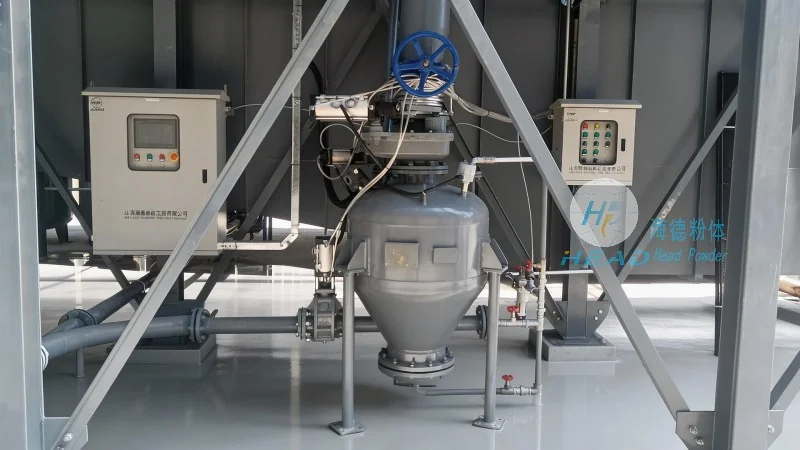
Key Components of Pneumatic Conveying Systems for Aluminum Foil
The effectiveness of aluminum foil pneumatic conveying relies on several critical components that work in tandem to ensure smooth material transport. These components include the hopper or feed hopper, which holds the aluminum foil; the air supply system, typically consisting of a blower or compressor that generates the necessary airflow; the conveying line, which can be either a positive pressure or negative pressure system; and the receiver or discharge hopper, where the material is deposited. Additionally, filters and cyclones are often integrated to separate the conveyed material from the air, ensuring clean operation and preventing dust accumulation. The choice between positive and negative pressure systems depends on the specific application, material characteristics, and system layout, with positive pressure systems being more common for aluminum foil due to their ability to handle longer distances and more complex layouts.
Working Principle of Aluminum Foil Pneumatic Conveying
The working principle of aluminum foil pneumatic conveying involves the use of compressed air to move the material through a pipeline. In a positive pressure system, air is forced from the blower into the conveying line, carrying the aluminum foil particles along with it. The air velocity must be sufficient to overcome the gravitational force and frictional resistance of the material, ensuring that the foil is fully suspended and transported efficiently. The conveying line is typically made of materials like stainless steel or plastic, which are resistant to corrosion and can handle the abrasive nature of aluminum foil. The receiver at the end of the line collects the conveyed aluminum foil, and the air is then filtered and recycled back to the blower, minimizing energy consumption and operational costs.
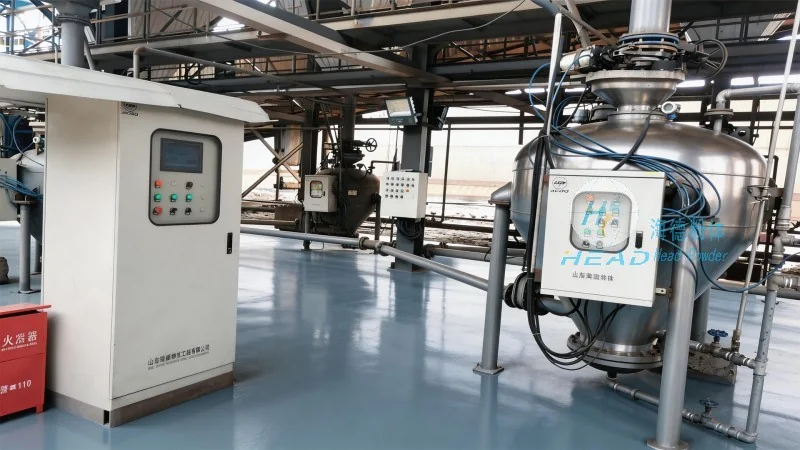
Operation Process of Aluminum Foil Pneumatic Conveying
The operation process of aluminum foil pneumatic conveying involves several sequential steps that ensure consistent and reliable material transport. First, the aluminum foil is loaded into the feed hopper, where it is stored and prepared for conveying. The hopper is equipped with a feeder, such as a rotary valve or screw feeder, which controls the flow rate of the material into the conveying line. Next, the blower or compressor is activated, generating the required airflow. The air is then introduced into the conveying line, and the feeder starts to release the aluminum foil into the air stream. As the foil particles are carried by the air, they travel through the pipeline to the receiver. The receiver is designed to separate the material from the air, often using a cyclone or filter system. The separated aluminum foil is collected in the discharge hopper, while the air is filtered and returned to the blower for reuse. This process is continuous, allowing for a steady flow of aluminum foil from the source to the destination, with minimal downtime and high efficiency.
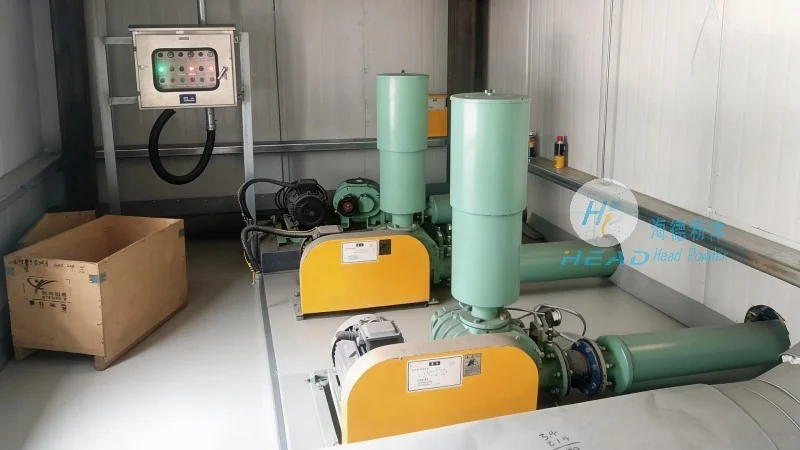
Benefits and Applications of Aluminum Foil Pneumatic Conveying
Aluminum foil pneumatic conveying offers numerous benefits that make it an ideal choice for handling aluminum foil in various industrial applications. One of the primary advantages is the ability to handle delicate and lightweight materials without damage, as the air stream suspends the foil particles rather than subjecting them to mechanical contact. This reduces the risk of tearing or creasing, which is critical for maintaining the quality of aluminum foil used in packaging, food, and other industries. Additionally, pneumatic conveying systems are compact and can be integrated into existing production lines, saving space and reducing installation costs. The low maintenance requirements and minimal need for mechanical parts also contribute to lower operational costs and increased reliability. These systems are commonly used in the packaging industry for transporting aluminum foil from production lines to packaging machines, in the food industry for handling foil used in food packaging, and in other sectors where aluminum foil is a key component. The flexibility of pneumatic conveying systems allows them to be adapted to various production volumes and layouts, making them suitable for both small-scale and large-scale operations.
Conclusion and Company Information
Aluminum foil pneumatic conveying is a highly effective and efficient method for transporting aluminum foil, offering numerous advantages over traditional material handling techniques. By understanding the operation process and working principle of these systems, industries can optimize their material handling processes, improve product quality, and reduce operational costs. Shandong HeadPowder Engineering Co., Ltd., a leading provider of pneumatic conveying solutions, specializes in designing and manufacturing customized aluminum foil pneumatic conveying systems tailored to the specific needs of their clients. With a focus on quality, reliability, and innovation, HeadPowder has established itself as a trusted partner in the industry, providing comprehensive solutions that enhance the efficiency and productivity of aluminum foil handling operations. Based in Shandong, China, HeadPowder leverages its expertise and experience to deliver high-performance pneumatic conveying systems that meet the demanding requirements of modern industrial applications.




