HeadPowder, a leading engineering company based in Shandong, China, specializes in the design and implementation of advanced material handling solutions. One of their core offerings is the pneumatic conveying line for lithium oxalate, a critical material in the battery industry. This article explores the fundamental principles behind these systems and highlights the specific working scenarios where they excel.
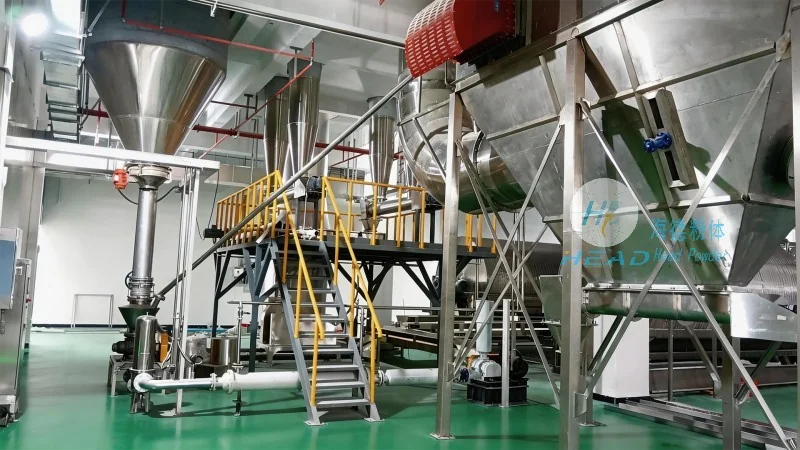
Principle of Pneumatic Conveying for Lithium Oxalate
The pneumatic conveying line operates on the principle of transporting bulk materials through a pipeline using a stream of air or other gas. For lithium oxalate, which is typically a fine powder, the system uses a combination of pressure or vacuum to move the material from the source to the destination. The process involves several key components: a material feeder, a conveying line (often equipped with bends and expansion joints), a control system, and a discharge device. The air flow is carefully managed to ensure the material is transported efficiently without degradation or clogging. The system can be designed as either a positive pressure system, where air is blown into the line to push the material, or a negative pressure system, where air is drawn out to pull the material. For lithium oxalate, which is sensitive to moisture and temperature, the system is often equipped with temperature control and moisture-proof measures to maintain the material's quality during transport.
Working Scenario Characteristics
The effectiveness of a lithium oxalate pneumatic conveying line is highly dependent on the specific working scenarios in which it is used. These scenarios vary based on the application, the scale of operation, and the environmental conditions. Here are some key characteristics of typical working scenarios:
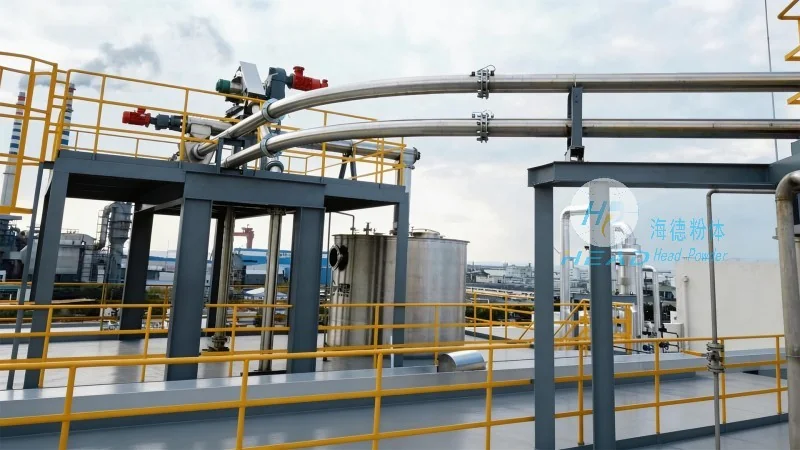
1. Industrial Production Lines: In large-scale battery manufacturing facilities, the pneumatic conveying line is used to transport lithium oxalate from storage silos to production lines. The system needs to handle high volumes of material continuously, with minimal downtime. The design must accommodate the high throughput required by modern battery production, ensuring stable and reliable material flow. The conveying line is often integrated with other production equipment, such as mixers and reactors, to form a seamless material handling process.
2. Material Transfer Between Buildings: In complex industrial sites, the material may need to be transferred between different buildings or floors. The pneumatic conveying line provides a flexible solution for this, as it can be installed in vertical or inclined pipelines. This is particularly useful in battery plants where different production stages are located in separate buildings. The system can handle the vertical lift and horizontal transfer efficiently, reducing the need for manual handling and improving safety.
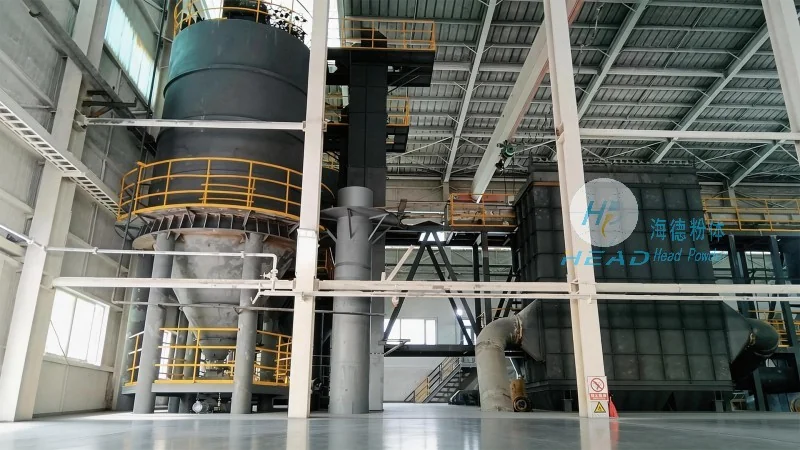
3. Batch Processing and Quality Control: For applications where precise control over the material is required, such as in research and development or small-scale production, the pneumatic conveying line can be equipped with advanced control systems. These systems allow for accurate dosing and monitoring of the material flow, ensuring consistent quality. The line can be integrated with sensors to detect any changes in the material's properties, such as moisture content or particle size, and adjust the conveying parameters accordingly. This is crucial for lithium oxalate, which is used in high-purity applications.
4. Environmental and Safety Considerations: The working scenarios also consider environmental and safety aspects. The pneumatic conveying line is designed to minimize dust emissions, which is important for lithium oxalate due to its potential health hazards. The system often includes dust collection and filtration equipment to ensure compliance with environmental regulations. Additionally, the line is constructed with materials that are resistant to corrosion and chemical reactions, as lithium oxalate can be reactive under certain conditions. The control system includes safety features to prevent overpressure or vacuum conditions that could damage the equipment or pose a risk to personnel.




