Principle and Working Scene Characteristics of Quartz Sand Material Pneumatic Conveying
Release time:2026-09-19 21:01:34
name of the company:Shandong Headpowder Engineering Co., Ltd.
telephone:156-6277-7102
contacts:Zhang manager
HeadPowder, a leading engineering firm based in Shandong, China, specializes in the design and implementation of advanced pneumatic conveying systems for various industrial applications. This article explores the fundamental principles of quartz sand material pneumatic conveying and highlights the key characteristics of its operational scenarios, providing valuable insights for industries relying on efficient material handling solutions.
The Fundamental Principle of Quartz Sand Pneumatic Conveying
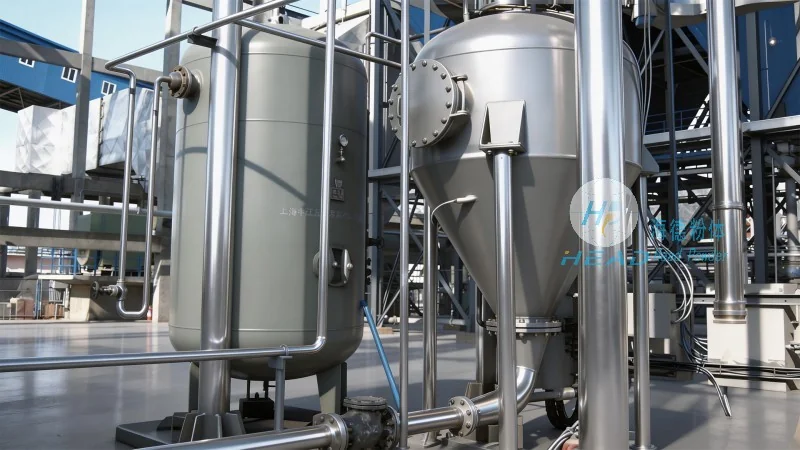
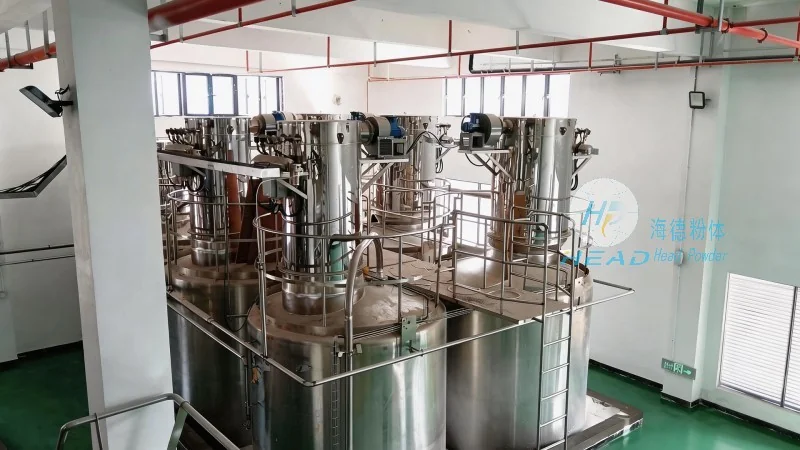
At its core, quartz sand pneumatic conveying utilizes a pressurized or vacuum system to transport dry bulk materials, such as quartz sand, through a pipeline using air or gas as the conveying medium. The process involves several critical components, including a hopper for material storage, a feeder to control the flow rate, a conveyor line (typically made of stainless steel or other corrosion-resistant materials), and a receiver for the discharged material. The system operates by creating a pressure differential that propels the quartz sand particles through the pipeline. In a pressurized system, air is compressed and introduced into the hopper, lifting the sand particles and carrying them along the pipeline. Conversely, a vacuum system draws air and material from the hopper, pulling the quartz sand through the line. The velocity of the air flow is carefully controlled to ensure the particles remain suspended and transported without clogging or degradation. This method offers a dust-free, enclosed transport solution, which is particularly advantageous for handling fine or abrasive materials like quartz sand, minimizing environmental impact and product contamination.
Key Working Scene Characteristics of Quartz Sand Pneumatic Conveying
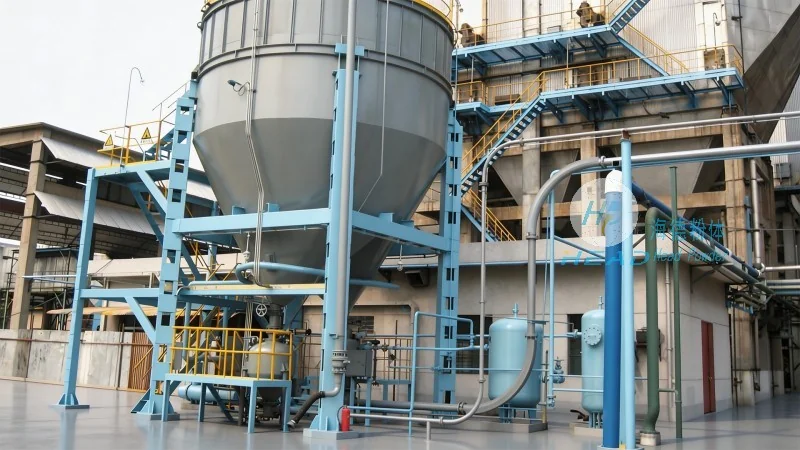
The operational characteristics of quartz sand pneumatic conveying systems are tailored to meet the specific demands of industrial environments. Several key features define these systems, enhancing their suitability for diverse applications:
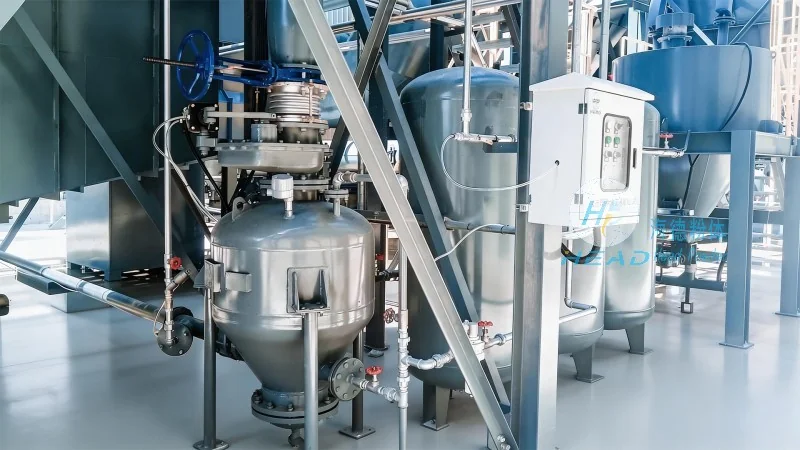
- High Efficiency and Throughput: Pneumatic conveying systems can achieve high material throughput rates, often exceeding traditional belt or bucket elevators. This efficiency is crucial for large-scale production lines where continuous material flow is essential. The ability to handle high volumes of quartz sand without frequent stops or maintenance reduces downtime and increases overall productivity.
- Dust Control and Environmental Compliance: Unlike open-air handling methods, pneumatic conveying provides an enclosed transport path, significantly reducing dust emissions. This is critical for maintaining a safe working environment and complying with environmental regulations. The system’s design ensures that quartz sand particles are contained within the pipeline, preventing airborne dust that could affect air quality or cause health issues for workers.
- Flexibility in Layout and Integration: Pneumatic conveying systems are highly adaptable to various plant layouts. They can be installed in vertical, horizontal, or mixed configurations, allowing for complex material routing without the need for multiple transfer points. This flexibility enables seamless integration with existing production lines, minimizing the need for extensive site modifications. The ability to convey quartz sand over long distances or through multiple processing stages makes it an ideal solution for large-scale industrial operations.
- Reduced Maintenance and Downtime: Compared to mechanical conveying systems, pneumatic conveying has fewer moving parts, which reduces the risk of mechanical failure and lowers maintenance requirements. The absence of belts, chains, or buckets eliminates the need for regular lubrication or replacement, leading to lower operational costs and extended system lifespan. This reliability is particularly important for continuous production processes where downtime can result in significant financial losses.
- Product Protection and Quality Preservation: The enclosed nature of pneumatic conveying protects quartz sand from contamination, moisture, and degradation. Unlike open systems where materials may be exposed to the elements or handling equipment, the pipeline environment maintains the integrity of the sand particles. This is vital for applications where the quality of quartz sand, such as its purity or particle size distribution, is critical. The system’s design ensures that the material remains in a controlled state throughout the transport process, preserving its properties for subsequent processing or end-use applications.
Conclusion: HeadPowder’s Expertise in Quartz Sand Pneumatic Conveying
HeadPowder Engineering Co., Ltd., with its headquarters in Shandong, China, leverages decades of experience in industrial engineering to deliver customized pneumatic conveying solutions tailored to the unique needs of quartz sand handling. By understanding the fundamental principles of material transport and the specific characteristics of operational scenarios, HeadPowder ensures that its systems provide reliable, efficient, and cost-effective material handling solutions. Whether for large-scale mining operations, construction material processing, or industrial manufacturing, the company’s expertise in pneumatic conveying technology positions it as a trusted partner for industries seeking to optimize their material flow processes. The combination of advanced engineering, robust system design, and adherence to industry standards makes HeadPowder a leader in providing solutions that enhance productivity, safety, and environmental compliance in quartz sand material handling.




