Shandong HeadPowder Engineering Co., Ltd., commonly known as HeadPowder, is a professional manufacturer and supplier based in Shandong, China. The company specializes in the design, development, and production of advanced pneumatic conveying systems, particularly for handling PCTFE (polyvinylidene fluoride) powders. With a strong focus on engineering excellence and customer-centric solutions, HeadPowder delivers reliable and efficient solutions tailored to the unique demands of various industrial applications.
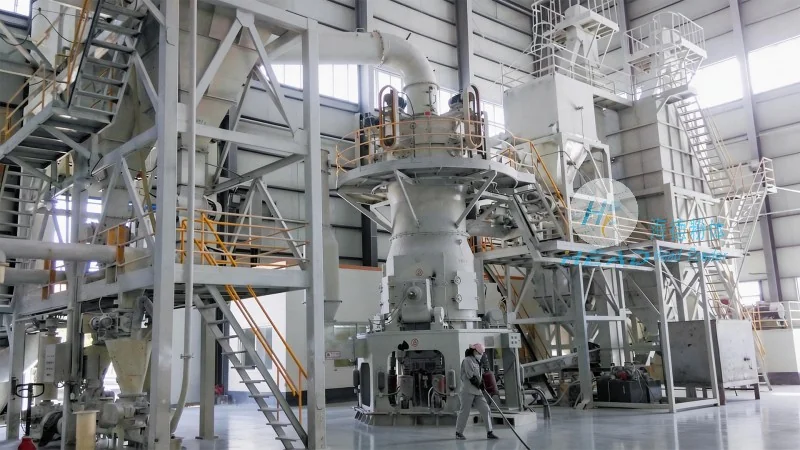
PCTFE Powder Pneumatic Conveying Line: An Overview
At the core of HeadPowder's product portfolio is the PCTFE powder pneumatic conveying line, a sophisticated system engineered to transport polyvinylidene fluoride (PCTFE) powders with precision and efficiency. This system is designed to address the specific challenges associated with handling PCTFE, a material known for its chemical resistance, thermal stability, and unique physical properties. The PCTFE powder pneumatic conveying line integrates advanced pneumatic technology with robust engineering to ensure safe, consistent, and low-damage transport of PCTFE powders from storage to processing units.
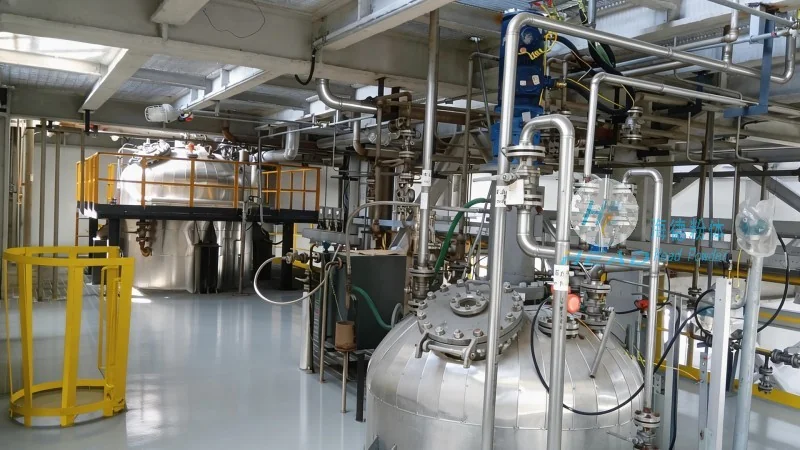
Principle of PCTFE Powder Pneumatic Conveying Line
The PCTFE powder pneumatic conveying line operates on the fundamental principle of pneumatic transport, where a gas (typically air or a controlled inert gas) is used to move solid particles through a pipeline. The system typically consists of a hopper for material storage, a feeder to control the flow rate, a conveying pipeline, and a receiver for the material at the destination. The key components work in synergy to create a pressure differential that propels the PCTFE powder through the system. The feeder, often a rotary valve or a screw feeder, introduces the PCTFE powder into the pipeline at a controlled rate. The conveying air, supplied by a blower or a compressor, generates the necessary pressure and velocity to move the powder particles. The pipeline design, including bends and fittings, is optimized to minimize pressure loss and prevent material degradation. The receiver at the end of the line collects the PCTFE powder, ensuring a clean and efficient transfer process. This pneumatic transport method offers several advantages over traditional mechanical conveying, such as reduced equipment wear, lower maintenance requirements, and the ability to handle materials with high moisture content or sensitive properties. The system may also incorporate features like pressure relief valves, dust filters, and material recovery systems to enhance safety and efficiency. The control system, often integrated with sensors and automation, allows for real-time monitoring of flow rates, pressure, and temperature, ensuring optimal performance and preventing operational issues.
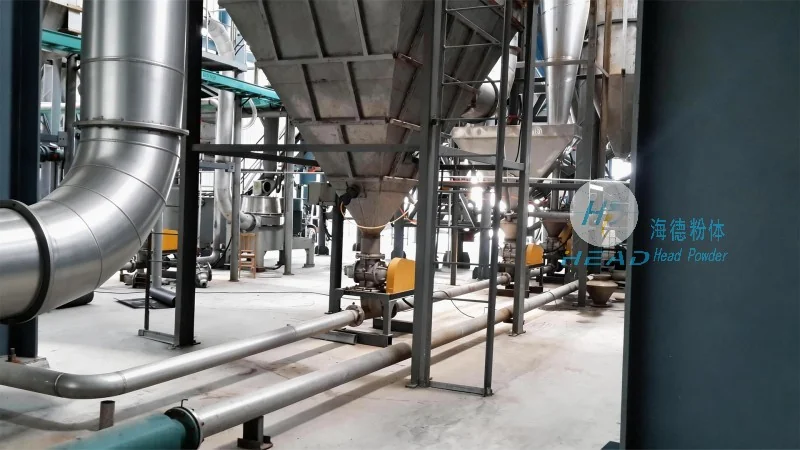
Working Scene Characteristics of PCTFE Powder Pneumatic Conveying Line
The PCTFE powder pneumatic conveying line is particularly suited for industrial applications where the handling of PCTFE powders requires high precision and reliability. Common working scenes include pharmaceutical manufacturing, where PCTFE is used in the production of medical devices and coatings; chemical processing facilities, where PCTFE is incorporated into specialty polymers and resins; and research laboratories, where small-scale PCTFE powder handling is essential for experimental work. In pharmaceutical settings, the system ensures that PCTFE powders are transported without contamination, maintaining the sterility required for medical applications. The pneumatic conveying line can be equipped with sterile filtration and aseptic design elements to meet regulatory standards. In chemical plants, the system facilitates the integration of PCTFE into larger production lines, enabling seamless transfer from raw material storage to processing equipment. The ability to handle fine powders and maintain consistent flow rates makes it ideal for applications where material quality and process efficiency are critical. Additionally, the compact design of the PCTFE powder pneumatic conveying line allows for installation in confined spaces, making it suitable for retrofitting existing facilities or in new construction projects. The working scene characteristics highlight the versatility and adaptability of the system, which can be customized to meet the specific requirements of different industrial environments, such as varying material flow rates, pipeline lengths, and environmental conditions.




