Understanding the fundamentals of sodium sulfate pneumatic conveying is crucial for industries dealing with bulk powder handling. This article provides a detailed overview of the working principles behind such systems, highlighting the key components and operational mechanisms that enable efficient material transport. By exploring the technology, we aim to demystify the process and offer insights into how these systems enhance productivity and safety in powder handling applications. HeadPowder, a leading provider of powder handling solutions, specializes in designing and implementing pneumatic conveying systems tailored to the specific needs of industries like chemical processing.
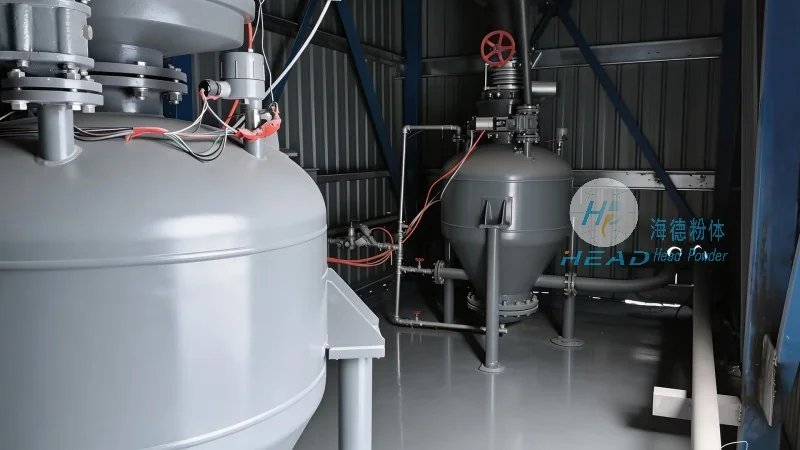
Introduction to Sodium Sulfate Pneumatic Conveying
Sodium sulfate, a common industrial chemical, often requires specialized handling due to its fine particle size and potential for dust generation. Pneumatic conveying offers a solution by utilizing air or gas to transport the powder from one location to another. This method is particularly advantageous for sodium sulfate, as it minimizes product contamination, reduces labor costs, and improves overall operational efficiency compared to traditional methods like belt conveyors or manual handling.
The Working Principle of Pneumatic Conveying Systems
Pneumatic conveying systems operate on the principle of using air pressure to move powder particles through a pipeline. There are two primary types of systems: pressure (or positive pressure) systems and vacuum (or negative pressure) systems. Each type has distinct characteristics and applications, tailored to the specific needs of sodium sulfate handling.
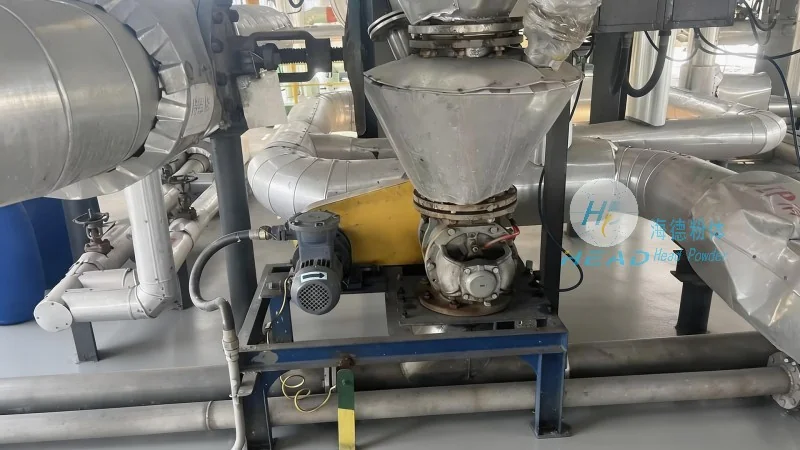
Key Components of a Pneumatic Conveying System
A typical pneumatic conveying system for sodium sulfate consists of several essential components. These include a conveying line (usually made of stainless steel to prevent corrosion), a feed hopper or loading station where the powder is introduced, a blower or compressor to generate the necessary air pressure, and a receiver or discharge hopper where the material is collected. Additionally, components like filters, separators, and valves are integrated to ensure efficient operation and maintain air quality.
How the System Works: From Loading to Discharge
The operation of a pneumatic conveying system for sodium sulfate begins with the powder being fed into the loading station. The blower then generates a high-pressure air stream that pulls the powder particles into the conveying line. As the air flows through the pipeline, it carries the powder particles along, maintaining a consistent flow rate. The system may use a combination of pressure and vacuum zones to optimize the transport process, ensuring that the sodium sulfate reaches the discharge point without clogging or loss of material.
Benefits of Using Pneumatic Conveying for Sodium Sulfate
Implementing pneumatic conveying systems for sodium sulfate offers numerous benefits. These include improved product purity due to enclosed transport, reduced dust exposure for operators, and enhanced process control through adjustable air pressure and flow rates. Furthermore, the system minimizes the risk of product degradation and contamination, which is critical for maintaining the quality of sodium sulfate in various industrial applications, such as in the chemical, food, and pharmaceutical sectors.
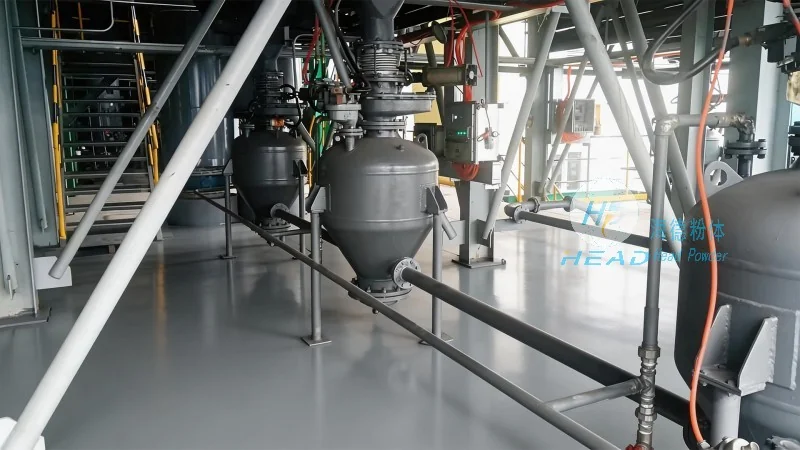
Applications and Considerations
Sodium sulfate pneumatic conveying systems are widely used in industries where bulk powder handling is essential. Common applications include transporting sodium sulfate from storage silos to processing units, moving it between different stages of production, or delivering it to packaging facilities. When selecting a system, factors such as the particle size distribution of the sodium sulfate, the required transport distance, and the desired flow rate must be considered. Additionally, the system must be designed to handle potential variations in moisture content or particle density to ensure reliable operation.
Conclusion
In conclusion, sodium sulfate pneumatic conveying is a sophisticated and efficient method for handling bulk powders. By leveraging the principles of air pressure and flow, these systems provide a reliable solution for transporting sodium sulfate while maintaining product integrity and operational safety. As industries continue to seek more advanced and sustainable material handling solutions, pneumatic conveying remains a key technology for optimizing powder transport processes. For businesses looking to enhance their sodium sulfate handling capabilities, understanding the working principles and benefits of such systems is the first step toward improving efficiency and productivity.




