Understanding the mechanics of pneumatic conveying systems, particularly for titanium dioxide powder, is crucial for industries that rely on efficient material handling. This article delves into the fundamental principles and operational aspects of such systems, providing a comprehensive overview for professionals seeking to optimize their powder handling processes.
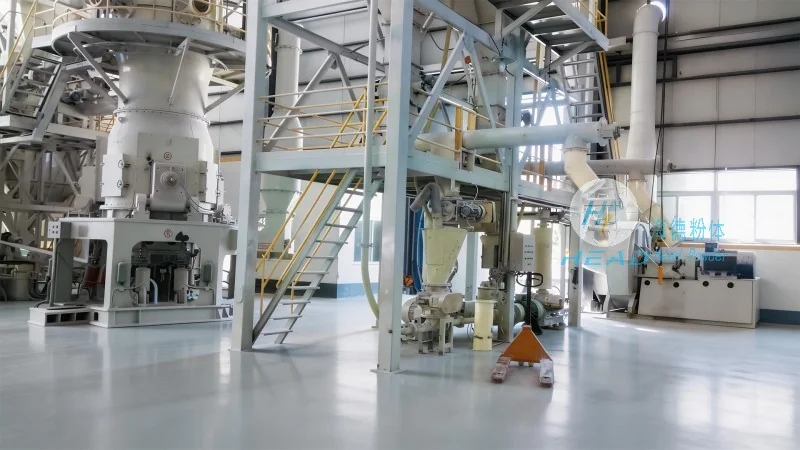
The Working Principle of Pneumatic Conveying Systems
Pneumatic conveying, also known as powder handling systems, utilizes air or gas to transport bulk materials like titanium dioxide powder from one location to another. The core concept involves creating a pressure differential that propels the powder particles through a pipeline. There are primarily two types of pneumatic conveying systems: dilute phase and dense phase. Dilute phase systems operate at higher velocities, typically using positive pressure to move the material, while dense phase systems use lower velocities and often negative pressure to achieve a more controlled and gentle transport, minimizing product degradation.
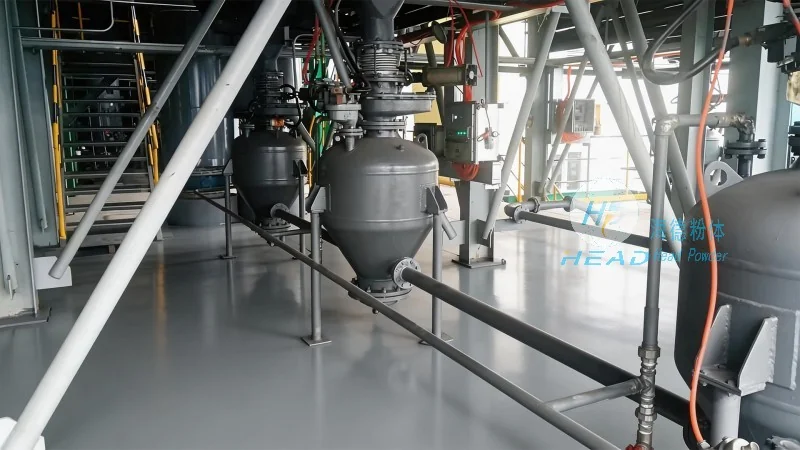
Key Components of a Pneumatic Conveying System
Effective pneumatic conveying of titanium dioxide powder relies on several critical components working in harmony. These include the material feed hopper, which stores and feeds the powder into the system; the air compressor or blower, which generates the necessary airflow; the conveying line, which transports the powder; and the receiver or discharge hopper, where the material is collected. Additionally, control valves, filters, and dust collection systems are essential for maintaining system efficiency and ensuring product quality. The design of these components must consider factors such as powder properties (e.g., particle size, moisture content, and flowability), system pressure, and the distance and elevation changes involved in the transport process.
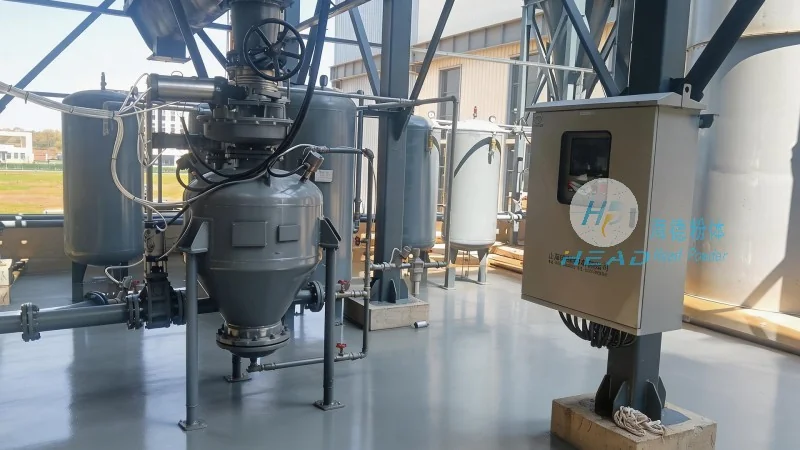
Advantages of Pneumatic Conveying for Titanium Dioxide Powder
Compared to traditional mechanical conveying methods, pneumatic conveying offers several advantages for handling titanium dioxide powder. These include reduced product contamination due to enclosed systems, lower maintenance requirements as there are fewer moving parts, and the ability to handle materials with varying properties without significant modifications. Moreover, pneumatic systems can be easily integrated with other processing equipment, allowing for seamless material flow in production lines. The flexibility of these systems also enables them to handle both short and long-distance transport, making them suitable for diverse industrial applications.
Applications in the Titanium Dioxide Industry
Titanium dioxide, a widely used white pigment in various industries, often requires efficient and reliable powder handling solutions. Pneumatic conveying systems are particularly well-suited for this application due to the material's fine particle size and sensitivity to handling conditions. Industries such as coatings, plastics, and paper manufacturing benefit from the ability to transport titanium dioxide powder with minimal degradation, ensuring consistent product quality. The controlled environment of pneumatic systems also helps maintain the purity of the powder, which is critical for applications where color and opacity are paramount.
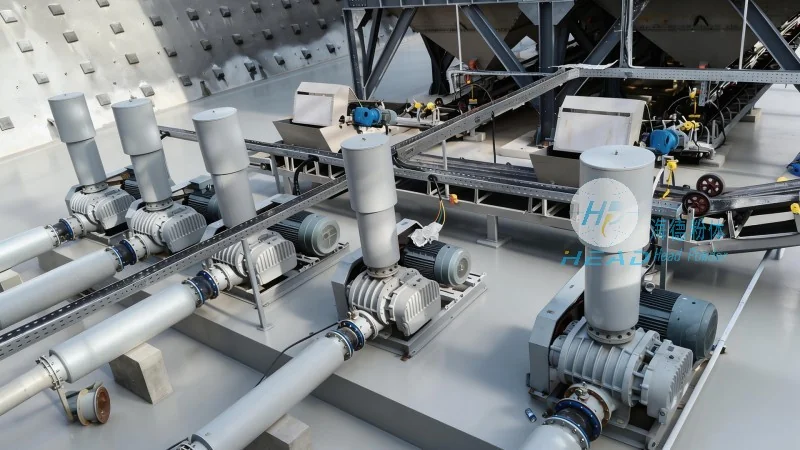
About Shandong HeadPowder Engineering Co., Ltd.
Shandong HeadPowder Engineering Co., Ltd., commonly known as headpowder, is a leading provider of advanced powder handling solutions. With a focus on innovation and customer satisfaction, the company specializes in designing and manufacturing pneumatic conveying systems tailored to the unique needs of various industries. HeadPowder's expertise lies in understanding the specific challenges of handling materials like titanium dioxide powder and developing customized solutions that enhance operational efficiency and product quality. The company's facilities are located in Shandong, China, where it leverages local resources and expertise to deliver high-quality products and services to clients worldwide.




