

Principle and Working Scene Characteristics of Pneumatic Conveying for Glass Waste Powder
HeadPowder, a leading engineering company based in Shandong, China, specializes in advanced solutions for material handling, particularly focusing on the efficient and reliable pneumatic conveying of glass waste powder. This article explores the fundamental principles behind this technology and highlights the key characteristics of its application scenarios.
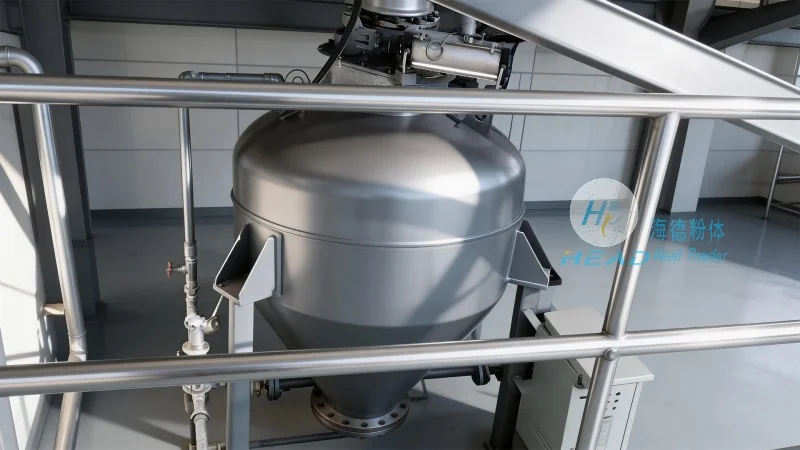
Introduction to Pneumatic Conveying for Glass Waste Powder
At Shandong HeadPowder Engineering Co., Ltd., we understand that the effective management of glass waste powder is crucial for sustainable industrial operations. Pneumatic conveying, as a core technology in our product portfolio, offers a non-contact, low-maintenance method to transport these materials. The process involves using compressed air to move powder through a pipeline system, which is particularly advantageous for glass waste due to its abrasive nature and the need for hygienic handling.
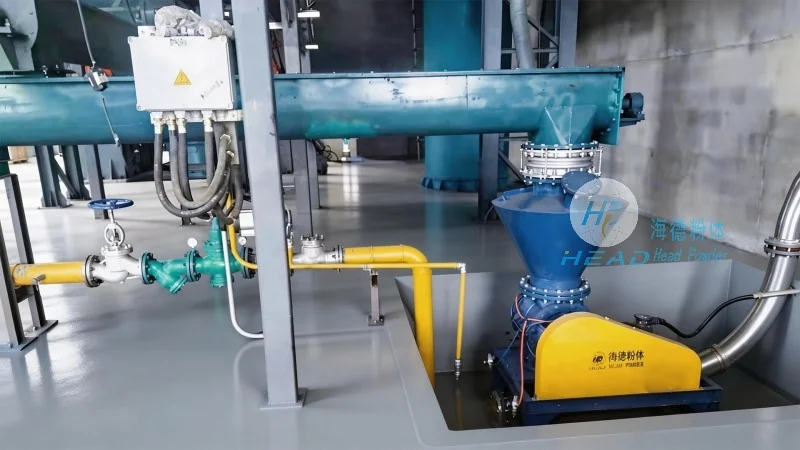
The Core Principle of Pneumatic Conveying
The principle of pneumatic conveying for glass waste powder is centered on the creation of a flow of air that carries the powder particles through a duct. There are two primary types of pneumatic conveying systems: dilute-phase and dense-phase. Dilute-phase systems use high-velocity air to transport particles in a dispersed state, while dense-phase systems employ lower velocities and higher pressure to move material in a more concentrated form. For glass waste, the choice of system depends on factors such as particle size, moisture content, and the distance of transport. Our engineering solutions are designed to optimize these parameters, ensuring efficient and safe material movement.
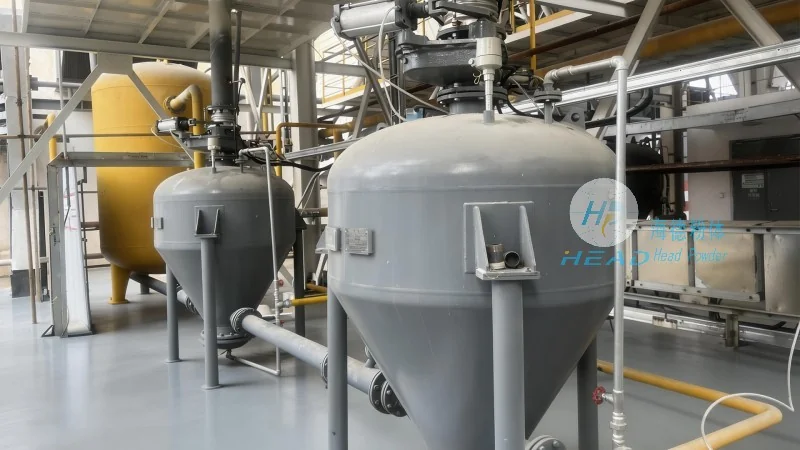
Key Working Scene Characteristics
The application of pneumatic conveying for glass waste powder is characterized by several distinct features that make it suitable for various industrial settings. First, the technology provides a dust-free and enclosed transport environment, which is essential for maintaining workplace safety and compliance with environmental regulations. Second, it offers flexibility in system design, allowing for integration with existing production lines or new installations. Third, the system's ability to handle abrasive materials like glass waste minimizes equipment wear and extends the lifespan of components. Additionally, the energy efficiency of pneumatic conveying, when properly designed, contributes to lower operational costs over time.
Practical Implementation and Benefits
When implementing pneumatic conveying systems for glass waste powder at facilities in Shandong or other regions, several benefits become evident. The technology reduces the need for manual handling, which not only improves worker safety but also enhances operational efficiency. Moreover, the enclosed nature of the system prevents dust emissions, contributing to a cleaner working environment and reduced environmental impact. From a maintenance perspective, pneumatic conveying systems typically require less downtime compared to traditional bulk handling methods, as they have fewer moving parts and are less prone to blockages. The adaptability of these systems also allows for easy scale-up or modification as production needs evolve.
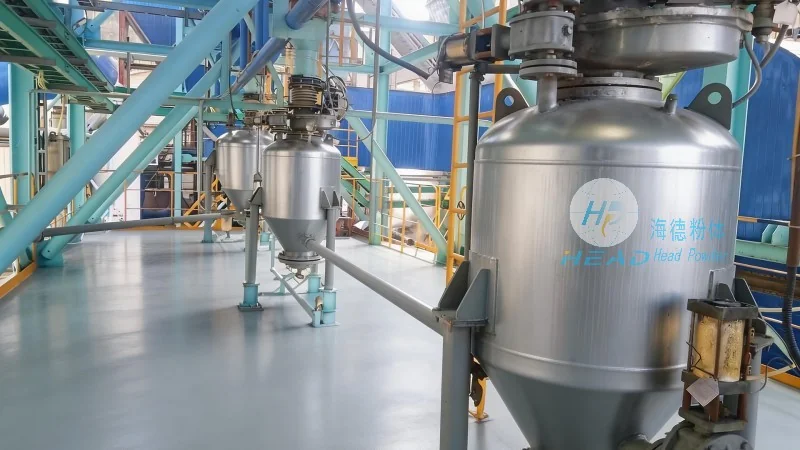
Conclusion and Company Overview
Shandong HeadPowder Engineering Co., Ltd. continues to be at the forefront of developing and implementing advanced pneumatic conveying solutions for glass waste powder. By leveraging our expertise in material handling engineering, we provide customized systems that meet the specific requirements of industrial clients. Our commitment to innovation and quality ensures that our clients achieve optimal performance, safety, and cost-effectiveness in their material transport operations. Based in Shandong, China, HeadPowder remains dedicated to supporting sustainable industrial practices through efficient and reliable technology.