SiC (Silicon Carbide) powder is widely used in various industrial applications due to its exceptional properties, such as high hardness, thermal conductivity, and chemical stability. The efficient and reliable transportation of SiC powder is crucial for industrial processes, and pneumatic conveying has emerged as a preferred method for handling these powders. This article explores the fundamental principles of SiC powder pneumatic conveying and highlights the key characteristics of its working scenes, providing insights into the technology's application and operational aspects. As a leading provider of advanced powder handling solutions, Shandong HeadPowder Engineering Co., Ltd. specializes in the design and implementation of pneumatic conveying systems tailored to the unique needs of SiC powder applications.
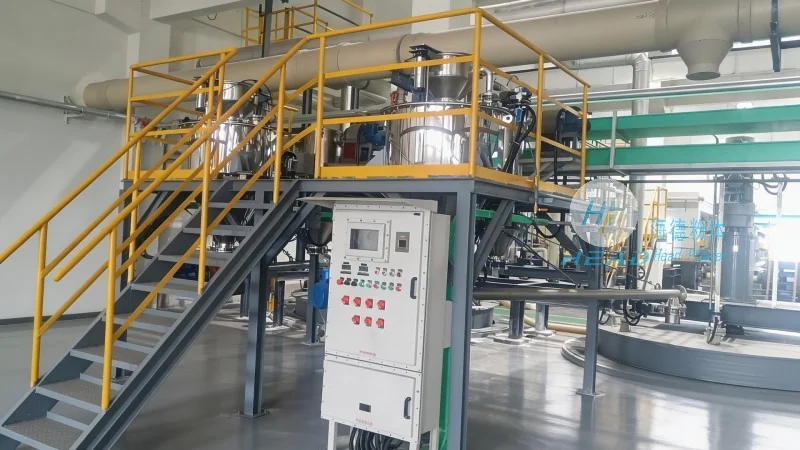
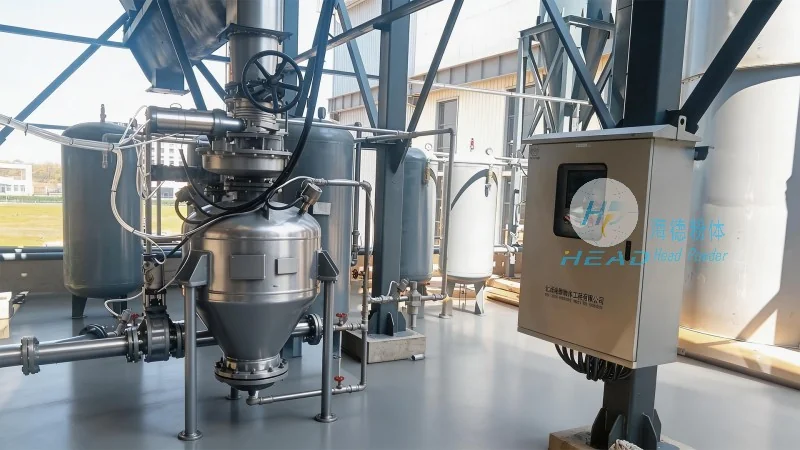
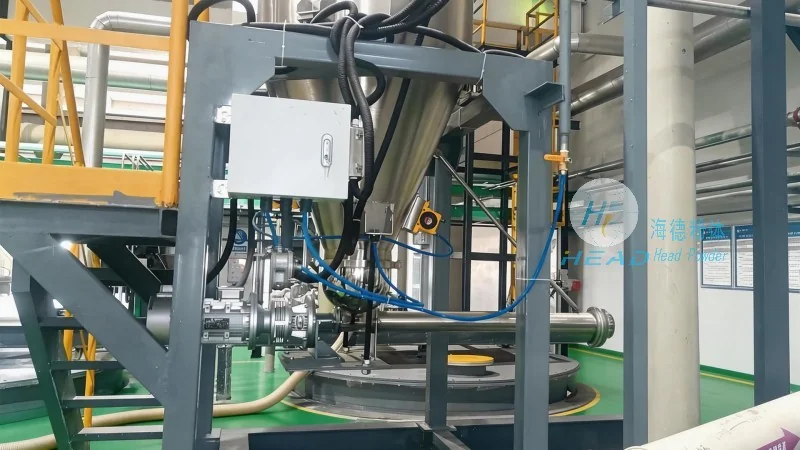
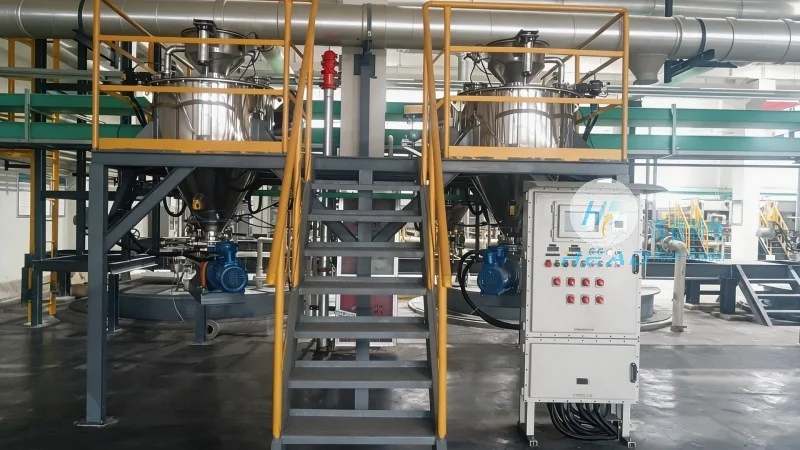
Principle of Pneumatic Conveying for SiC Powder
Pneumatic conveying involves the transport of solid particles through a pipeline using a gas stream, typically air or other gases. In the case of SiC powder, the conveying process relies on the interaction between the powder particles and the gas flow. The primary principle is based on creating a pressure differential or using a vacuum to move the powder through the system. There are two main types of pneumatic conveying: pressure conveying and vacuum conveying. Pressure conveying uses compressed air to push the powder forward, while vacuum conveying uses a vacuum to pull the powder into the system. For SiC powder, which is often abrasive and has specific particle size distributions, the choice of conveying method depends on factors like the distance, particle size, and required flow rate. The system typically includes a hopper, a feeder, a pipeline, and a receiver. The feeder controls the flow rate of the SiC powder into the pipeline, and the gas flow is regulated to maintain the desired conveying velocity. The velocity of the gas must be sufficient to overcome the drag forces and lift the powder particles, ensuring stable and continuous transport. The design of the pipeline, including bends and fittings, is critical to minimize pressure drop and prevent particle segregation or blockage. For SiC powder, which can be abrasive, the material of the pipeline and components is often selected to withstand wear and corrosion, such as stainless steel or specialized alloys.
Working Scene Characteristics of SiC Powder Pneumatic Conveying
The working scenes for SiC powder pneumatic conveying vary based on the specific industrial application and the scale of the operation. In manufacturing processes, SiC powder is often used in the production of ceramics, refractory materials, and abrasive tools. The conveying system is integrated into the production line to transport the powder from storage to processing equipment, such as mixers, extruders, or spray dryers. The characteristics of these working scenes include high throughput requirements, precise control of powder flow, and the need for clean and dust-free environments. For example, in the production of silicon carbide ceramics, the powder is conveyed from a storage silo to a mixer where it is combined with other raw materials. The conveying system must ensure that the powder is delivered at a consistent rate to maintain the quality of the final product. In addition, the working scene may involve multiple stages of conveying, such as from a large storage tank to a smaller hopper, and then to the processing equipment. The system design must account for the changes in particle size and flow characteristics at each stage to ensure efficient transport. Another key characteristic is the need for dust control and environmental safety. SiC powder is fine and can generate dust, which poses health and safety risks. Therefore, the conveying system is often equipped with dust collection and filtration systems to minimize airborne particles and comply with environmental regulations. The working scene may also involve the handling of different grades of SiC powder, each with varying particle sizes and properties. The conveying system must be adaptable to handle these variations, ensuring that the powder is transported without segregation or degradation. In industrial settings, the working scene may include multiple pipelines and conveying lines, each serving a different part of the production process. The integration of these systems requires careful planning to avoid cross-contamination and ensure smooth operation. The characteristics of the working scene also include the need for maintenance and operational flexibility. The pneumatic conveying system must be easy to clean and maintain to prevent the buildup of powder residue, which can affect performance and cause blockages. Additionally, the system should be capable of adjusting the flow rate and pressure to accommodate changes in production demand or process requirements.




