HeadPowder, a leading manufacturer based in Shandong, China, specializes in providing advanced solutions for powder handling and processing. This article explores the core principles and typical working scenarios of automatic blending and feeding systems, which are essential for efficient material management in various industrial applications.
Understanding the Core Principles of Automatic Powder Conveying Systems
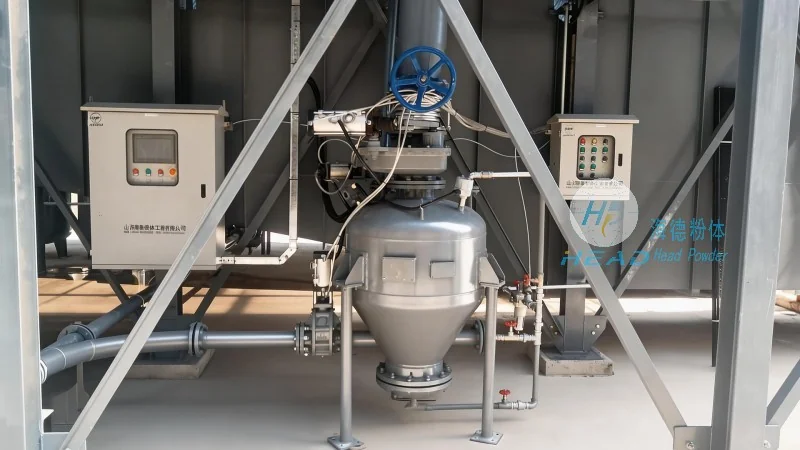
At the heart of these systems lies a sophisticated integration of mechanical, pneumatic, and sometimes hydraulic components designed to handle bulk powders with precision and reliability. The fundamental principle revolves around the controlled movement of powders from storage silos or hoppers to processing equipment, ensuring consistent flow rates and preventing issues like caking or segregation. Key components typically include rotary valves, screw conveyors, and air slides, each playing a critical role in maintaining the integrity of the material during transport.
One of the primary objectives of such systems is to achieve uniform blending of different powder components. This is achieved through a combination of precise dosing mechanisms and controlled mixing paths. For instance, in a typical blending process, individual powders are fed into a central mixer at predetermined ratios, which are then agitated to achieve a homogeneous mixture. The system’s ability to maintain these ratios under varying conditions is crucial for product consistency, a factor that directly impacts downstream processes and final product quality.
Key Working Scene Characteristics and Applications
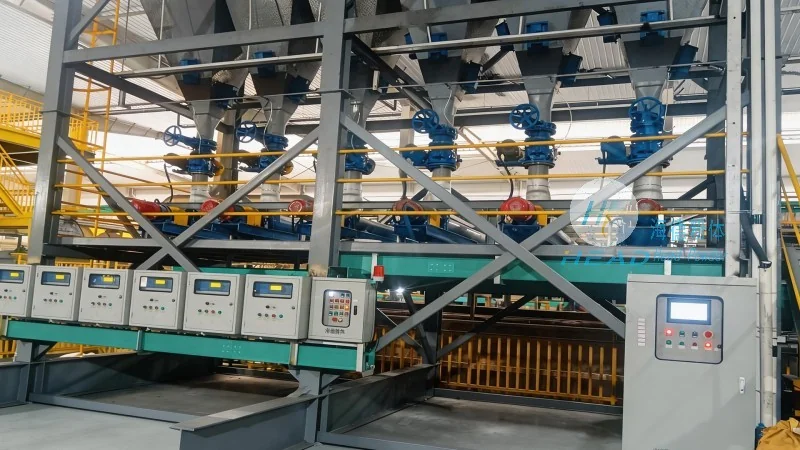
The effectiveness of automatic powder blending and feeding systems is highly dependent on the specific working environment and application requirements. These systems are widely used in industries such as pharmaceuticals, food processing, chemical manufacturing, and cement production, where the handling of fine powders demands high accuracy and safety standards.
In pharmaceutical applications, for example, the system must adhere to stringent GMP (Good Manufacturing Practice) regulations. This includes features like closed-loop systems to prevent contamination, real-time monitoring of flow rates, and automated cleaning procedures. The precision in dosing is critical to ensure that each batch of medication contains the exact proportion of active ingredients and excipients, which is vital for patient safety and efficacy.
In the food industry, similar considerations apply, but with an added emphasis on hygiene and food safety. The systems are often constructed from stainless steel and equipped with CIP (Clean-in-Place) capabilities to maintain sanitary conditions. The ability to handle sensitive ingredients without degradation is also a key characteristic, as the equipment must prevent oxidation or moisture absorption that could affect the product’s shelf life.
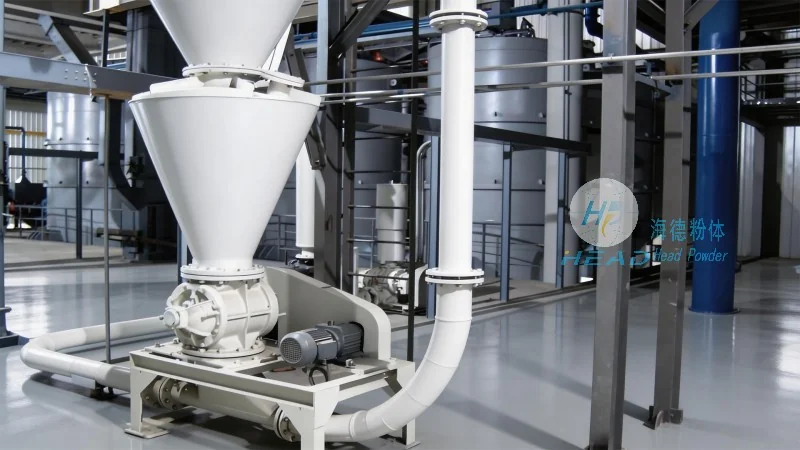
In the chemical and cement sectors, the focus shifts to durability and the ability to handle abrasive or corrosive powders. The components are designed with heavy-duty materials and robust sealing systems to withstand the harsh conditions. The system’s efficiency in managing large volumes of material is particularly important in these industries, where throughput and operational costs are major factors influencing production decisions.
Advantages and Practical Implementation in Industrial Settings
Implementing an automatic powder blending and feeding system offers several advantages that contribute to enhanced operational efficiency and product quality. One of the most significant benefits is the reduction in human error, as the system operates based on pre-programmed parameters rather than manual intervention. This leads to consistent batch-to-batch performance and minimizes the risk of product recalls due to formulation errors.
Another key advantage is the improvement in safety and workplace conditions. By automating the handling of powders, the system reduces the exposure of operators to dust and potential hazards associated with manual handling. This not only complies with occupational safety regulations but also enhances overall workplace morale and productivity.
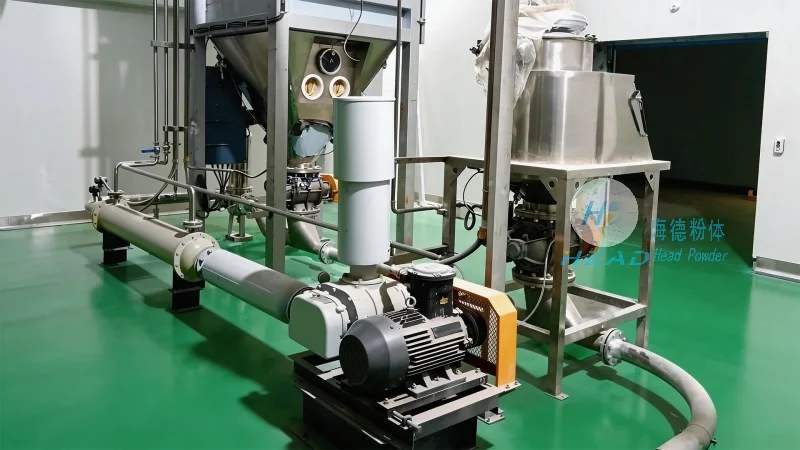
From a practical standpoint, these systems are designed for easy integration into existing production lines. They can be customized to fit specific space constraints and production volumes, making them adaptable to both small-scale and large-scale operations. The modular design allows for flexibility in configuration, enabling manufacturers to scale their operations as their needs evolve without significant capital investment.
HeadPowder, with its headquarters in Shandong, China, provides comprehensive solutions that include not only the equipment but also expert consultation and after-sales support. Their expertise in powder technology ensures that clients receive systems tailored to their unique requirements, whether it’s for a new plant setup or an upgrade to an existing facility. The company’s commitment to quality and innovation positions it as a trusted partner for businesses seeking to optimize their powder handling processes.




