The cotton fiber powder conveying line is a specialized system designed to transport cotton fiber powders efficiently and reliably in industrial settings. Understanding its core principles and the characteristics of its working scenes is crucial for optimizing material handling processes in the textile industry.
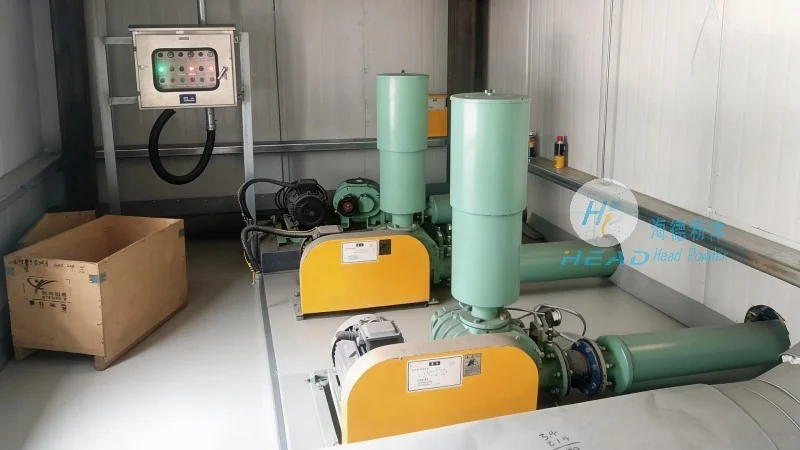
Understanding the Core Principles of Cotton Fiber Powder Conveying Lines
At the heart of cotton fiber powder conveying lines lies a combination of mechanical and pneumatic technologies tailored to handle the unique properties of cotton fibers. These systems typically operate by using air pressure or mechanical force to move the fibrous material from one location to another. The principle involves creating a controlled flow of air or mechanical motion that propels the cotton fibers through a pipeline or conveyor system. Key components include feeders, ducts, and control valves that regulate the flow rate and pressure, ensuring consistent and stable transport. The design of these lines considers factors such as the density, moisture content, and dust generation of cotton fibers to minimize material degradation and equipment wear. Advanced systems may incorporate sensors and automation to monitor and adjust the conveying process in real-time, enhancing operational efficiency.
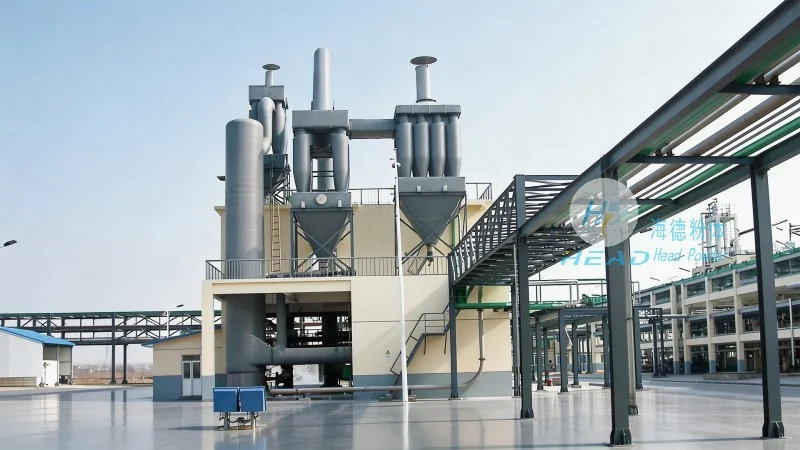
Key Working Scene Characteristics and Applications
The working scene characteristics of cotton fiber powder conveying lines are shaped by the diverse needs of the textile manufacturing industry. These systems are commonly deployed in scenarios where cotton fibers need to be transported from storage silos to processing units, such as carding machines, combing machines, or blending equipment. In such applications, the line must handle varying fiber qualities and moisture levels while maintaining low dust emissions and minimal fiber breakage. For instance, in a large-scale textile mill, a conveying line may transport raw cotton from a warehouse to a preparation area, where it is pre-cleaned and conditioned before further processing. The system's ability to handle high volumes of material with precision is critical in these scenarios, as it directly impacts production throughput and product quality. Additionally, the line's design may be adapted to handle different processing stages, such as moving cotton fibers from a cleaning station to a blending machine or from a storage hopper to a packaging unit. The flexibility of these systems allows them to integrate seamlessly into existing production lines, reducing downtime and improving overall operational efficiency.
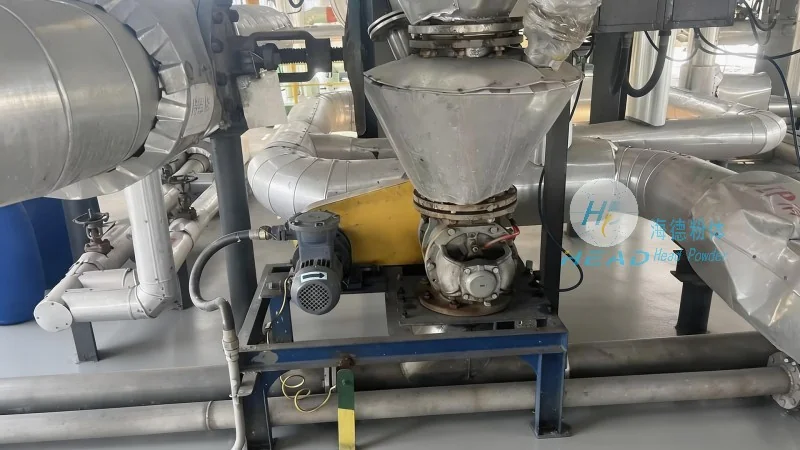
Technical Advantages and Industry Standards
HeadPowder, a leading provider of industrial conveying solutions, emphasizes the technical advantages of their cotton fiber powder conveying lines. The company's systems are engineered to meet stringent industry standards for material handling, ensuring compliance with safety and environmental regulations. Key advantages include high conveying efficiency, low energy consumption, and reduced maintenance requirements. The use of durable materials and advanced sealing technologies minimizes wear and tear, extending the lifespan of the equipment. Moreover, the modular design of these lines allows for easy customization and expansion, accommodating changes in production capacity or process requirements. HeadPowder's expertise in cotton fiber handling has enabled them to develop solutions that address the specific challenges of the textile industry, such as preventing fiber matting, maintaining fiber integrity, and controlling dust generation. By leveraging their deep understanding of cotton properties and conveying technologies, HeadPowder provides tailored solutions that enhance the performance and reliability of cotton fiber processing operations.
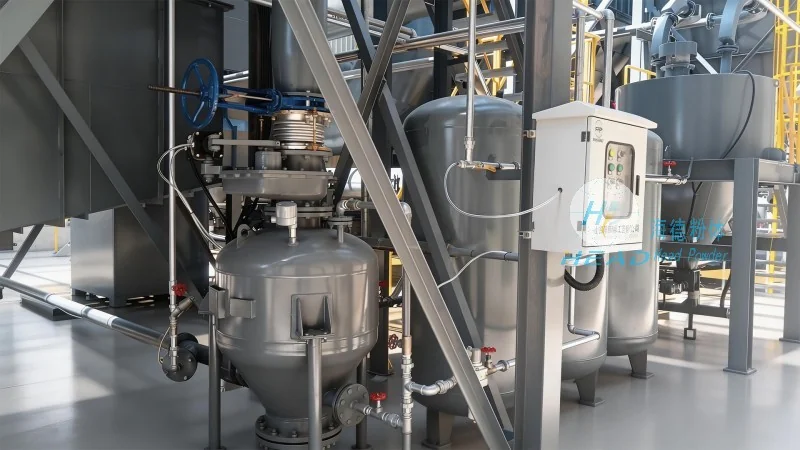
Conclusion and Practical Implications
In conclusion, cotton fiber powder conveying lines are essential components of modern textile manufacturing, offering efficient and reliable transport of raw materials. The principles behind these systems, combined with their working scene characteristics, enable industries to streamline their production processes and improve overall productivity. Companies like Shandong HeadPowder Engineering Co., Ltd. play a vital role in providing advanced conveying solutions that meet the evolving needs of the textile industry. By investing in high-quality cotton fiber conveying lines, textile manufacturers can enhance operational efficiency, reduce costs, and maintain the quality of their products. The continued development of these systems will likely lead to further innovations in material handling, supporting the growth and sustainability of the textile sector.




