Protein powder pneumatic conveying equipment is a specialized system designed to transport protein powders efficiently and safely. This equipment is widely used in the food and beverage industry, pharmaceutical manufacturing, and other sectors where handling fine powders is essential. The core of this technology lies in the pneumatic conveying principle, which utilizes air flow to move the powder through a pipeline system.
Working Principle of Pneumatic Conveying Systems
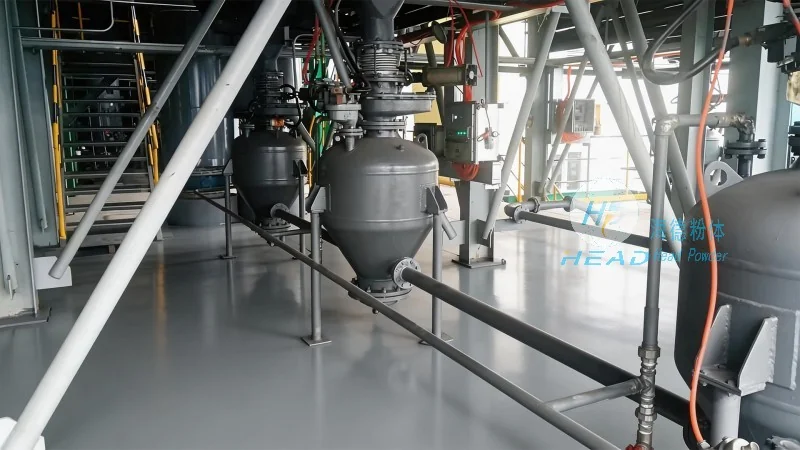
The fundamental principle of pneumatic conveying for protein powders involves creating a pressure differential or using vacuum to move the material. There are two main types of systems: pressure and vacuum. In pressure systems, compressed air is introduced into the conveying line, pushing the powder forward. Vacuum systems, on the other hand, create a negative pressure that draws the powder into the line. For protein powders, which are often sensitive to moisture and temperature changes, the choice of system depends on the material's properties and the distance of transport. The equipment typically includes a hopper, a feeder, a conveying line, and a receiver. The hopper stores the protein powder, while the feeder controls the flow rate. The conveying line transports the powder, and the receiver collects it at the destination. This setup ensures a continuous and controlled flow, minimizing product degradation and loss.
Key Components and Their Functions
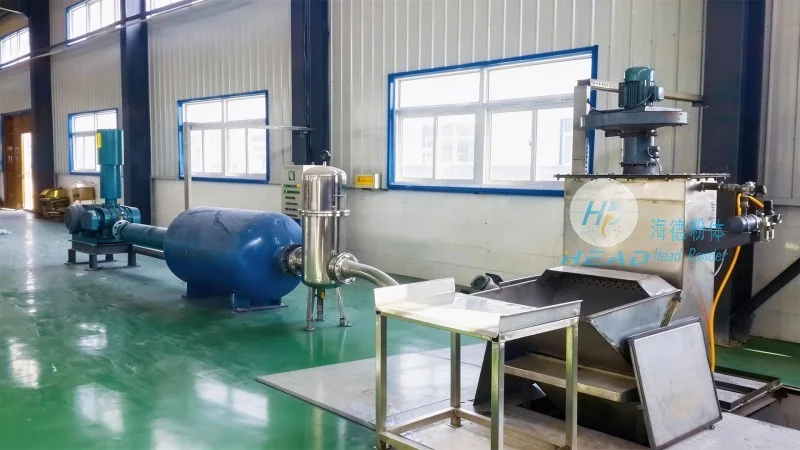
Each component of the protein powder pneumatic conveying system plays a critical role in its operation. The hopper is designed to hold a large quantity of powder and maintain a consistent feed. It often features a conical bottom to facilitate smooth discharge. The feeder, such as a rotary valve or a screw feeder, regulates the amount of powder entering the conveying line. This control is vital to prevent overloading or underloading, which can affect the conveying efficiency. The conveying line is usually made of stainless steel to prevent contamination and corrosion, especially important for food-grade products. The line may include bends, elbows, and filters to ensure the powder flows smoothly without clogging. The receiver, typically a storage tank or a collection bin, collects the powder at the end of the line. It may also have a venting system to release air and prevent pressure buildup. These components work in tandem to create a reliable and efficient conveying process.
Working Scene Characteristics and Applications
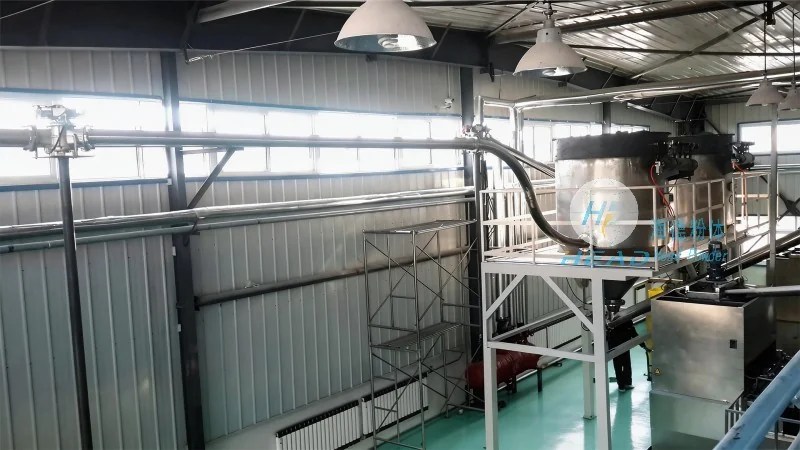
The working scene characteristics of protein powder pneumatic conveying equipment are tailored to the specific needs of different industries. In the food industry, for example, the equipment must meet stringent hygiene standards. The stainless steel construction and easy-to-clean design of the system ensure compliance with food safety regulations. The conveying process is often integrated into larger production lines, such as mixing, blending, or packaging operations. This integration allows for seamless transfer of protein powders from storage to processing areas. In pharmaceutical manufacturing, the equipment is used for transporting active ingredients and excipients. The system's ability to handle fine powders without agglomeration is crucial for maintaining product quality. The vacuum conveying system is particularly useful here, as it minimizes product exposure to air and reduces the risk of contamination. In industrial settings, the equipment may be used for bulk handling of protein powders, such as in feed mills or animal nutrition facilities. The high capacity and continuous operation of the system make it suitable for large-scale production. The working scene characteristics also include the ability to handle different powder types, such as whey protein, soy protein, or casein, each with unique properties that may affect the conveying process. The system's flexibility allows for adaptation to various powder characteristics, ensuring optimal performance.
Advantages and Considerations in Protein Powder Handling
Protein powder pneumatic conveying equipment offers several advantages over traditional methods like belt conveyors or manual handling. The primary benefit is the ability to transport powders in a closed system, which prevents contamination from dust, moisture, or other environmental factors. This is particularly important for food and pharmaceutical products, where product purity is paramount. The closed system also reduces the risk of product loss and improves overall efficiency. Another advantage is the energy efficiency of the system, especially when using vacuum conveying, which consumes less power compared to pressure systems for certain applications. However, there are considerations to keep in mind. The system requires regular maintenance to ensure smooth operation, such as cleaning filters and checking for air leaks. The cost of the equipment can be higher than traditional conveyors, but the long-term benefits in terms of product quality and operational efficiency often justify the investment. Additionally, the system's performance depends on the properties of the protein powder, such as particle size, moisture content, and flowability. Proper selection of the conveying system and components is essential to achieve optimal results. The working scene characteristics also include the need for proper ventilation and dust control in the conveying area to ensure worker safety and compliance with environmental regulations.
Conclusion and Company Overview
Protein powder pneumatic conveying equipment is a critical technology for efficiently handling protein powders in various industrial applications. The system's ability to transport fine powders in a controlled, closed environment ensures product quality and safety. The working scene characteristics, including hygiene standards, system flexibility, and operational efficiency, make it suitable for diverse industries. As a leading provider in this field, Shandong HeadPowder Engineering Co., Ltd. specializes in designing and manufacturing customized pneumatic conveying solutions tailored to the specific needs of clients. With a focus on quality and innovation, the company ensures that its equipment meets the highest standards of performance and reliability. Located in Shandong, China, HeadPowder has established itself as a trusted partner for businesses seeking efficient and effective protein powder handling solutions. The company's expertise in pneumatic conveying technology, combined with its commitment to customer satisfaction, positions it as a leader in the industry. Whether for food processing, pharmaceutical manufacturing, or industrial applications, HeadPowder's protein powder pneumatic conveying equipment provides reliable and efficient solutions for transporting protein powders with precision and care.




