Phenolic powder, also known as phenolic resin powder, is a widely used material in various industrial applications due to its excellent mechanical properties, electrical insulation, and chemical resistance. The efficient handling and transportation of phenolic powder are crucial for maintaining production efficiency and product quality. Pneumatic conveying systems offer a reliable solution for transporting such powders, especially in environments where traditional mechanical conveying methods may pose challenges. This article explores the fundamental principles of phenolic powder pneumatic conveying systems and highlights the key characteristics of their operational scenarios.
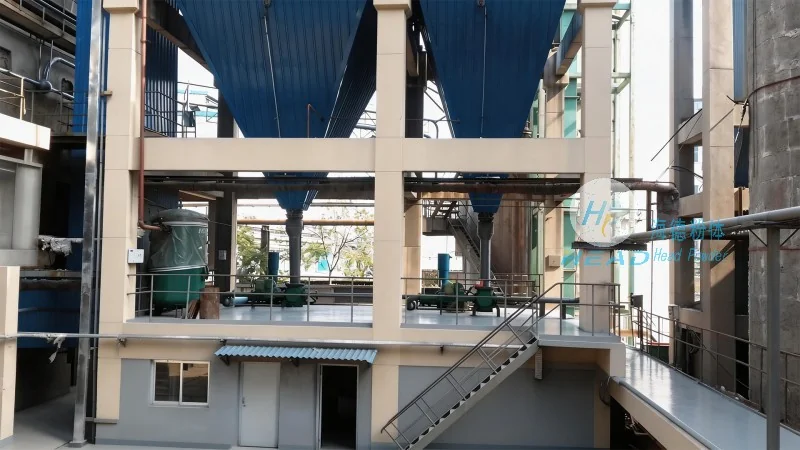
Core Principles of Pneumatic Conveying for Phenolic Powders
The operation of a pneumatic conveying system for phenolic powders is based on the principles of fluid dynamics and particle movement. At its core, the system uses compressed air or other gases to transport the powder material through a pipeline network. The system typically consists of several key components, including a material hopper, a rotary airlock valve, a conveying line, and a receiver or discharge point. The material is fed into the system from the hopper, and as it passes through the rotary airlock, it is metered and introduced into the conveying line. Compressed air is then introduced at the inlet of the line, creating a flow that propels the powder particles forward. The velocity and pressure of the air are carefully controlled to ensure that the powder is conveyed without excessive wear on the system components and without causing particle degradation.
Key Components and Their Functions
Each component of a phenolic powder pneumatic conveying system plays a critical role in ensuring efficient and reliable operation. The material hopper serves as the storage and feeding unit, holding the phenolic powder and providing a consistent supply to the system. The rotary airlock valve acts as a seal between the hopper and the conveying line, preventing backflow and maintaining the pressure differential necessary for effective conveying. The conveying line, usually made of materials such as stainless steel or plastic, is designed to withstand the abrasive nature of the phenolic powder and the pressure of the conveying air. The receiver or discharge point is where the powder is deposited at its final destination, and it may include features like a dust collection system to ensure environmental compliance.
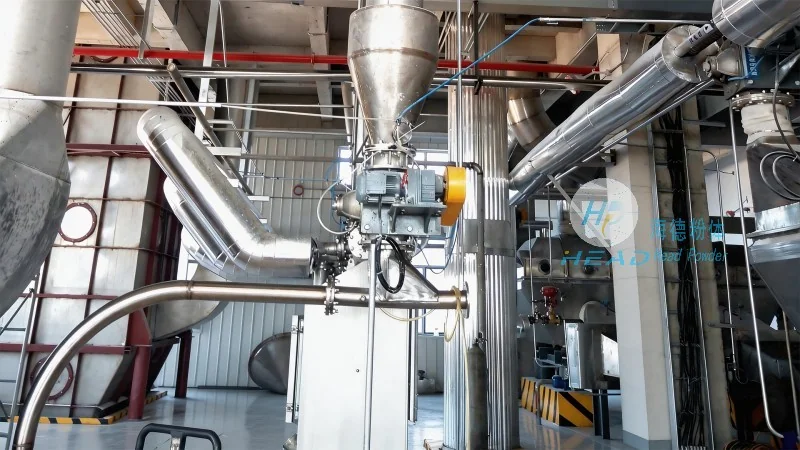
Working Scene Characteristics and Applications
The operational characteristics of phenolic powder pneumatic conveying systems are tailored to specific industrial environments and application requirements. These systems are commonly used in manufacturing facilities where phenolic powders are processed for applications such as molded parts, coatings, and adhesives. The working scene characteristics include the need for precise control over powder flow rates, minimal particle degradation, and the ability to handle varying powder densities and moisture levels. In addition, the systems are designed to operate in environments where dust control is essential, as phenolic powders can be fine and potentially hazardous if not properly contained. The flexibility of pneumatic conveying allows for the integration of multiple conveying lines from different production points to a central processing or storage area, optimizing material flow and reducing handling time.
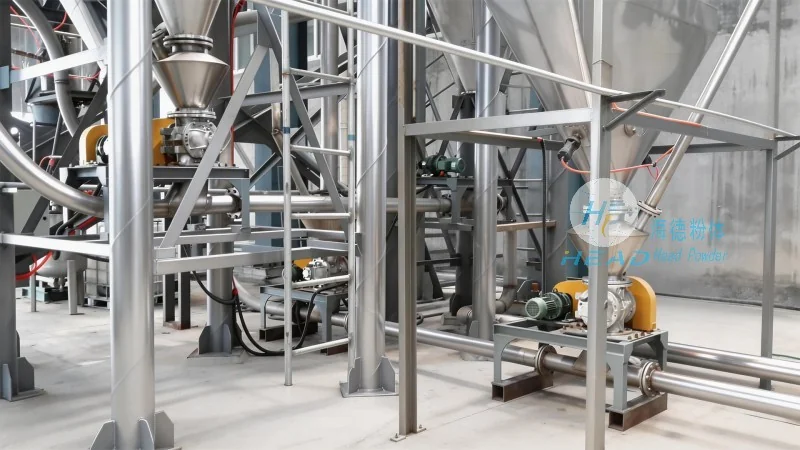
Advantages and Considerations in Phenolic Powder Conveying
Phenolic powder pneumatic conveying systems offer several advantages over traditional mechanical conveying methods. These include the ability to transport powders over long distances without the need for intermediate transfer points, reduced risk of product contamination due to enclosed systems, and lower maintenance requirements compared to some mechanical systems. However, there are also considerations to keep in mind when implementing such systems. The initial investment cost can be higher than for some mechanical solutions, and the energy consumption for compressed air generation must be factored into the overall operational costs. Additionally, the system design must account for the specific properties of the phenolic powder, such as its particle size distribution, flowability, and potential for agglomeration, to ensure optimal performance.
Conclusion and Company Overview
Phenolic powder pneumatic conveying systems are a vital technology for industries relying on phenolic resin materials. By understanding the core principles and operational characteristics of these systems, manufacturers can enhance their production efficiency and product quality. Shandong HeadPowder Engineering Co., Ltd., a leading provider of engineering solutions for powder handling, specializes in designing and implementing customized pneumatic conveying systems tailored to the unique needs of their clients. With a focus on reliability, efficiency, and compliance with industry standards, the company serves a wide range of industrial sectors, including automotive, electronics, and construction, providing comprehensive solutions for phenolic powder transportation and processing. Based in Shandong, China, HeadPowder Engineering Co., Ltd. leverages its expertise and local resources to deliver high-quality, cost-effective solutions that meet the evolving demands of modern industrial operations.




