Shandong HeadPowder Engineering Co., Ltd., a professional enterprise based in Shandong, China, specializes in the research, development, and application of advanced pneumatic conveying systems for industrial materials. This article delves into the fundamental principles of coal fly ash pneumatic conveying systems and highlights the key characteristics of their operational scenarios, providing a comprehensive overview for industry professionals.
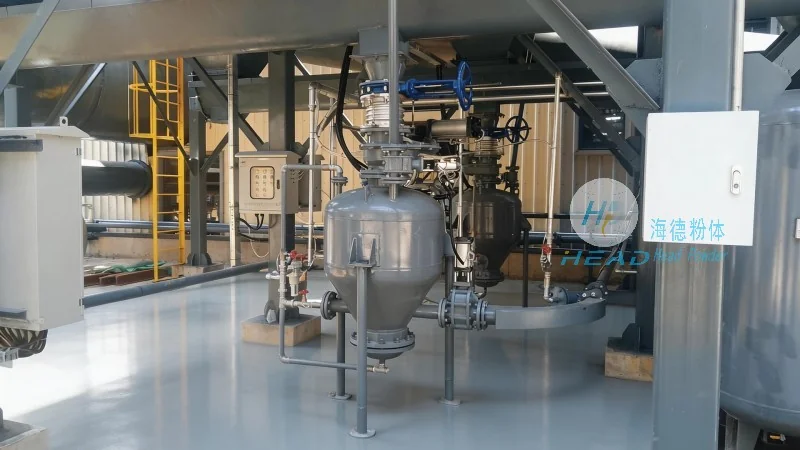
Understanding the Core Principle of Coal Fly Ash Pneumatic Conveying Systems
The coal fly ash pneumatic conveying system operates on the principle of using compressed air or gas to transport particulate materials, such as coal fly ash, through a pipeline network. This method, known as pneumatic conveying, relies on the generation of a pressure differential to move the material from the source to the destination. The system typically consists of several key components, including a material feeder, a conveying pipeline, a control valve, and a receiver. The material feeder ensures a consistent flow of coal fly ash into the pipeline, while the control valve regulates the air flow and pressure to maintain optimal conveying conditions. The receiver collects the conveyed ash at the end of the pipeline, completing the transport process. The entire system is designed to handle the unique properties of coal fly ash, including its fine particle size, high moisture content, and abrasive nature, ensuring efficient and reliable operation.
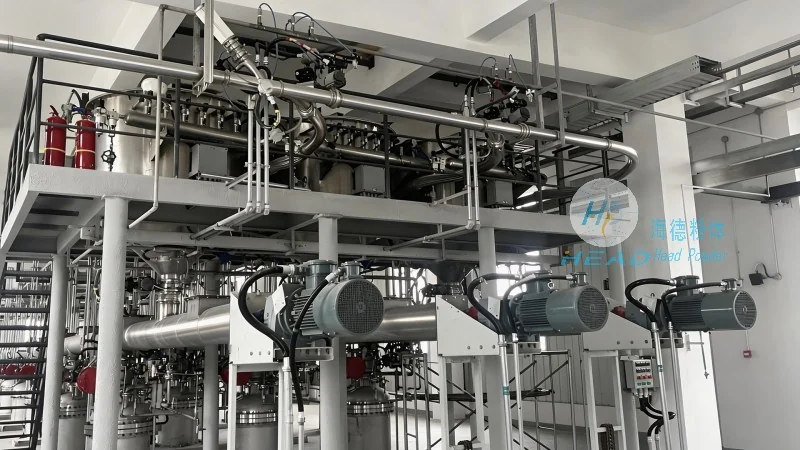
Key Working Scene Characteristics of Coal Fly Ash Pneumatic Conveying Systems
The operational characteristics of coal fly ash pneumatic conveying systems are tailored to meet the specific demands of industrial applications. These systems are commonly used in power plants, where coal fly ash is generated as a byproduct of coal combustion. The primary working scene characteristics include high material throughput, which is essential for handling large volumes of ash produced by thermal power generation. Additionally, the systems are designed for long-distance transport, often covering distances of several hundred meters to several kilometers, enabling the efficient distribution of ash to disposal sites or recycling facilities. Another critical characteristic is the ability to handle varying ash properties, such as changes in moisture content or particle size, without compromising system performance. The systems also prioritize safety and environmental compliance, incorporating features like dust suppression and air filtration to minimize emissions and ensure workplace safety. Furthermore, the modular design of these systems allows for easy integration into existing industrial infrastructure, reducing installation time and costs.
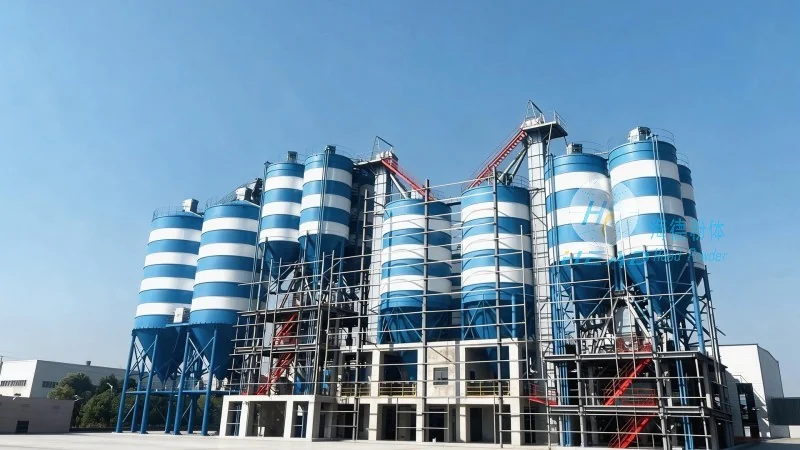
Applications and Advantages in Industrial Settings
Coal fly ash pneumatic conveying systems are widely adopted in various industrial settings due to their efficiency and adaptability. In power plants, these systems facilitate the removal of ash from boiler rooms to storage or disposal areas, improving operational efficiency and reducing manual handling risks. The systems are also utilized in construction material production, where coal fly ash is used as a supplementary cementitious material in concrete and other building products. This application leverages the ash's pozzolanic properties, enhancing the durability and strength of the final products. Another significant advantage is the reduction in environmental impact, as pneumatic conveying minimizes the need for trucks or other heavy machinery for ash transport, thereby lowering emissions and traffic congestion. The systems also contribute to cost savings by optimizing material handling processes, reducing labor costs and equipment wear. Overall, the coal fly ash pneumatic conveying systems offered by Shandong HeadPowder Engineering Co., Ltd. represent a reliable and efficient solution for managing coal fly ash in industrial operations.




