Vanadium oxide, a critical material in various industrial applications, often requires efficient and reliable handling solutions. The pneumatic conveying system is a sophisticated method for transporting such materials, and understanding its principles and operational characteristics is essential for optimizing industrial processes. This article delves into the core principles of vanadium oxide pneumatic conveying systems, exploring how they function and the specific scenarios where they excel.
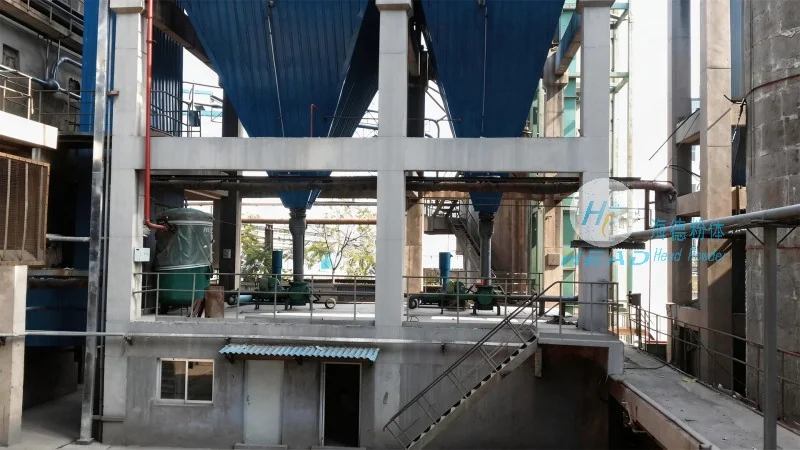
About Shandong HeadPowder Engineering Co., Ltd.
At the heart of advanced material handling solutions is Shandong HeadPowder Engineering Co., Ltd., commonly known as HeadPowder. With a focus on engineering excellence and innovation, HeadPowder specializes in designing and implementing systems tailored to the unique needs of industrial clients. HeadPowder is headquartered in Shandong, China, and has established itself as a leading provider of pneumatic conveying solutions for materials like vanadium oxide. The company’s expertise in system design, manufacturing, and installation ensures that their products are not only efficient but also durable and cost-effective, making them a trusted partner for businesses dealing with vanadium oxide and other fine materials.
The Principle of Pneumatic Conveying for Vanadium Oxide
The pneumatic conveying system operates on the principle of using air or gas to transport solid materials through a pipeline. In the case of vanadium oxide, which is typically a fine powder, the system relies on a combination of pressure and airflow to move the material from the source to the destination. The process involves several key components, including a hopper for material storage, a feeder to control the flow rate, a conveying line, and a receiver for the material at the end of the line. The system can be either positive pressure or negative pressure, depending on the specific requirements of the application.
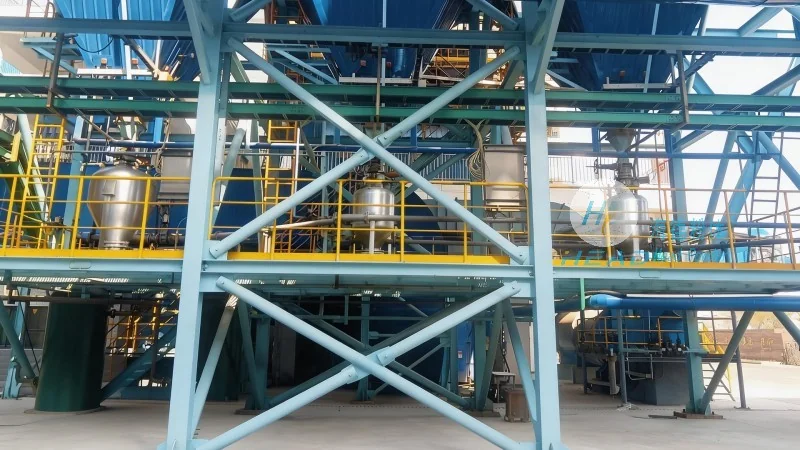
For vanadium oxide, which is often used in chemical and metallurgical processes, the choice of conveying method is crucial. Positive pressure systems, where air is blown into the pipeline, are commonly used for short to medium distances and for materials that are non-abrasive or have low dust generation. Negative pressure systems, on the other hand, are preferred for longer distances or when dealing with materials that are more abrasive or generate significant dust. The design of the system, including the size of the pipeline, the velocity of the air, and the pressure differentials, all play a critical role in ensuring efficient and safe transport of vanadium oxide.
Working Scene Characteristics of Vanadium Oxide Pneumatic Conveying Systems
The effectiveness of a vanadium oxide pneumatic conveying system is heavily influenced by the working scene characteristics. These include factors such as the distance between the source and the destination, the volume of material to be transported, the ambient conditions (e.g., temperature and humidity), and the specific properties of the vanadium oxide itself, such as its particle size, density, and flowability.
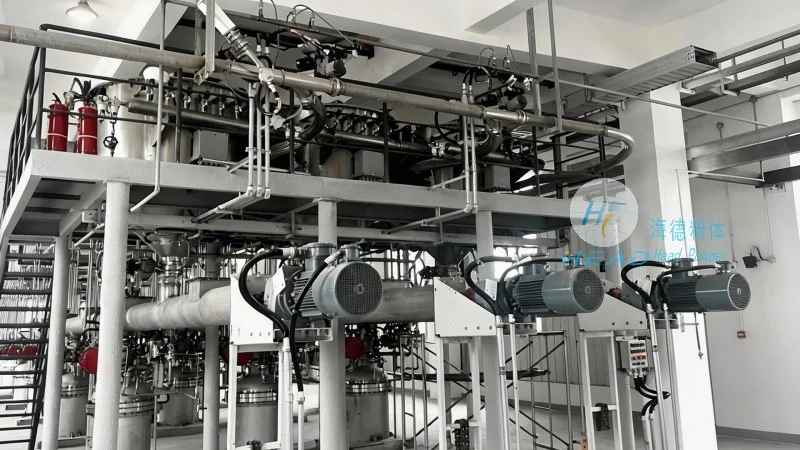
For instance, in a chemical plant where vanadium oxide is used as a catalyst or a precursor in the production of vanadium compounds, the system must be able to handle high volumes of material with minimal loss or degradation. The working scene may involve multiple stages of processing, requiring the material to be transported between different equipment or storage areas. In such cases, the system’s flexibility and adaptability become key factors. HeadPowder’s systems are designed to accommodate these varied working conditions, ensuring that the material is transported efficiently without compromising quality or safety.
Another important aspect is the environmental impact and safety considerations. Vanadium oxide can be a fine powder that may pose health risks if not handled properly. The pneumatic conveying system, when designed and operated correctly, minimizes dust exposure and ensures that the material is contained within the system. HeadPowder incorporates safety features such as dust collection systems and explosion-proof designs, making their systems suitable for environments where safety is paramount.
Applications and Benefits
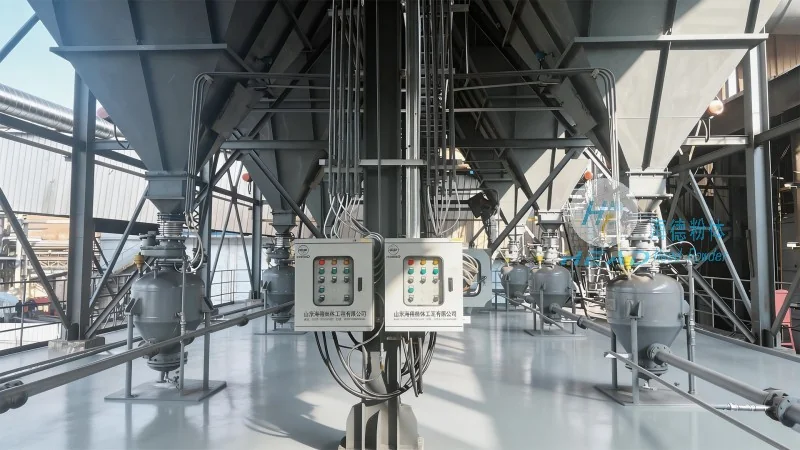
Vanadium oxide pneumatic conveying systems find applications in a wide range of industries, including chemical manufacturing, metallurgy, and energy production. The benefits of using such systems include improved process efficiency, reduced labor costs, and enhanced safety compared to traditional methods like manual handling or mechanical conveying. By automating the material transport process, businesses can achieve higher throughput and better control over their operations.
HeadPowder’s systems are tailored to meet the specific needs of each application. Whether it’s a small-scale operation or a large industrial plant, the company’s engineers work closely with clients to design a system that optimizes performance and minimizes downtime. The use of high-quality materials and advanced control systems ensures that the systems are reliable and require minimal maintenance, providing long-term value to the client.




