Activated carbon particle pneumatic conveying systems represent a sophisticated method for transporting activated carbon, a material widely used in air purification, water treatment, and other industrial processes. These systems leverage the principles of pneumatic transport to move granular activated carbon efficiently and reliably. The core of such systems involves the use of compressed air or other gas to create a flow that propels the activated carbon particles through a pipeline network. This approach offers significant advantages over traditional mechanical conveyors, particularly in terms of hygiene, flexibility, and the ability to handle materials that are dusty or have a tendency to clog.
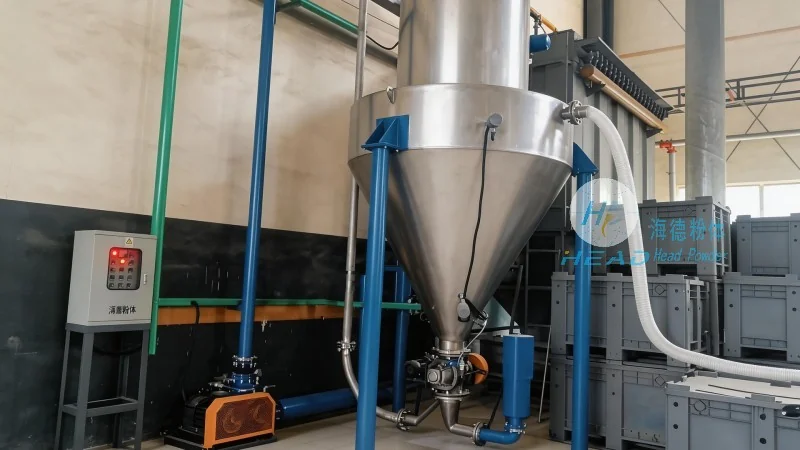
Principle of Operation
The fundamental principle behind activated carbon particle pneumatic conveying systems is the creation of a gas-solid flow within a closed pipeline system. Compressed air is introduced into the system, typically at a pressure sufficient to overcome the resistance of the pipeline and the weight of the carbon particles. As the air flows, it entrains the activated carbon particles, lifting them from the source and transporting them to the destination. The system can operate in either positive pressure or negative pressure modes, depending on the specific application and the nature of the material being conveyed. Positive pressure systems use air to push the particles forward, while negative pressure systems use suction to draw them along the pipeline.
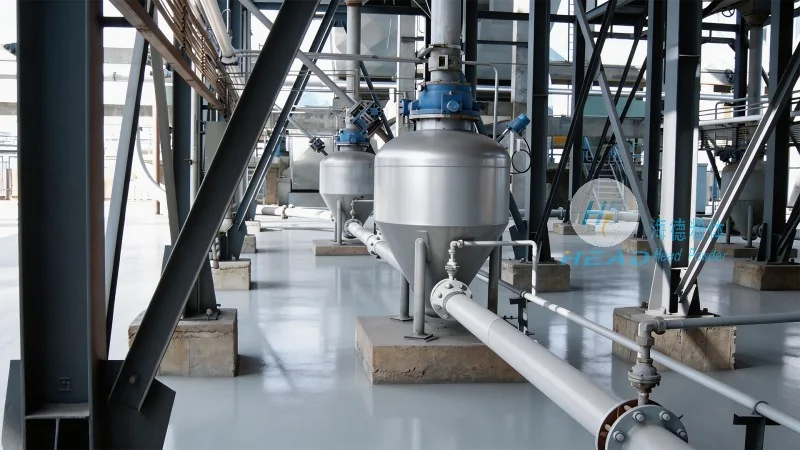
Key Components and Their Functions
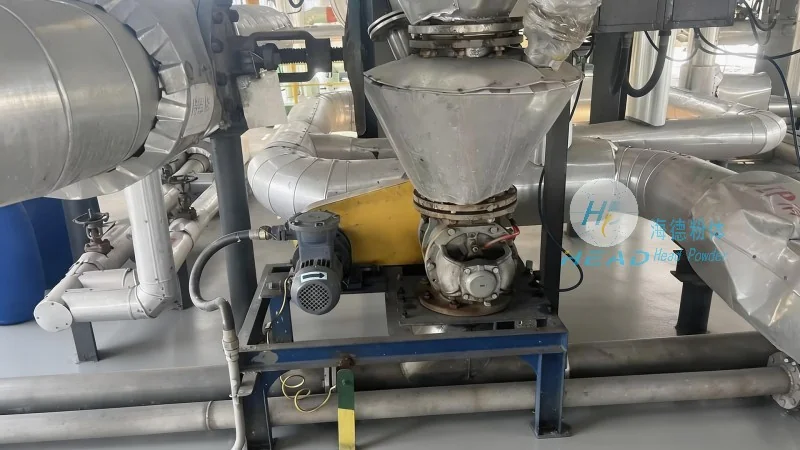
Several critical components work in concert to ensure the smooth operation of an activated carbon particle pneumatic conveying system. These include the air compressor or blower, which provides the necessary pressure and airflow; the hopper or feeder, which holds the activated carbon and regulates the flow of particles into the pipeline; the pipeline itself, which is typically made of corrosion-resistant materials like stainless steel to accommodate the chemical properties of activated carbon; and the control valves and regulators, which manage the pressure and flow rates to maintain optimal conveying conditions. Additionally, filters and dust collectors are often integrated into the system to capture any fine particles that may escape, ensuring compliance with environmental regulations and maintaining system efficiency.
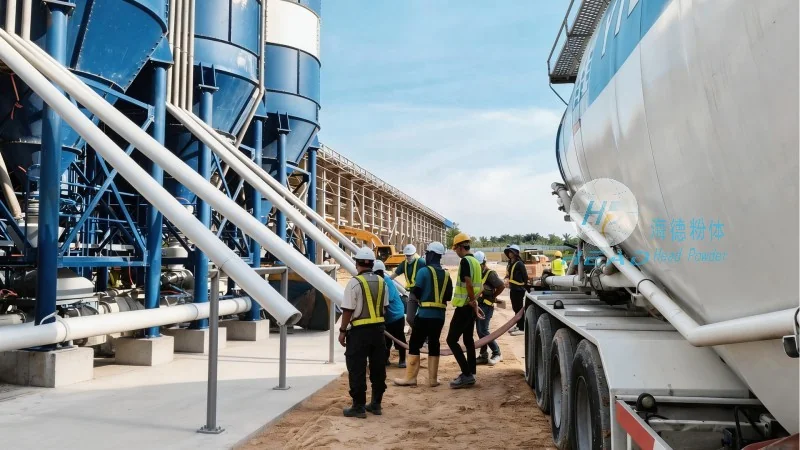
Working Scene Characteristics
The working scene characteristics of activated carbon particle pneumatic conveying systems are tailored to meet the diverse needs of industrial applications. These systems are commonly employed in environments where the activated carbon is used for adsorption processes, such as in air filtration systems for industrial facilities, water treatment plants, or even in the food and beverage industry for odor control. The flexibility of pneumatic conveying allows these systems to be integrated into existing production lines or to serve as standalone units for bulk material handling. For instance, in a large-scale air purification plant, the system may need to transport activated carbon from a storage silo to a filter unit, covering distances of several hundred meters. In such scenarios, the system's ability to handle varying particle sizes and flow rates is crucial. Moreover, the hygienic design of these systems is particularly important in industries like pharmaceuticals or food processing, where contamination must be strictly avoided. The sealed pipeline and controlled airflow help maintain a clean environment, reducing the risk of cross-contamination.
Advantages and Applications
Activated carbon particle pneumatic conveying systems offer several advantages that make them a preferred choice for many industrial applications. One of the primary benefits is the ability to handle materials that are difficult to convey using mechanical methods, such as fine powders or materials with a tendency to agglomerate. The system's flexibility allows for easy integration with existing infrastructure, reducing the need for extensive modifications to production lines. Additionally, the sealed nature of the pipeline minimizes dust emissions, improving workplace safety and environmental compliance. These systems are particularly well-suited for applications where the activated carbon needs to be transported over long distances or through multiple processing stages, such as in large-scale water treatment facilities or industrial air filtration systems. The efficiency of pneumatic conveying also contributes to cost savings, as it reduces the energy consumption associated with material handling compared to traditional methods.
About Shandong HeadPowder Engineering Co., Ltd.
Shandong HeadPowder Engineering Co., Ltd., operating under the brand name headpowder, is a leading provider of advanced material handling solutions, including activated carbon particle pneumatic conveying systems. With a focus on innovation and quality, the company has established itself as a trusted partner for industries requiring reliable and efficient material transport solutions. HeadPowder's expertise lies in designing and manufacturing systems that meet the specific needs of clients, ensuring optimal performance and longevity. The company's facilities are located in Shandong, China, where it leverages local resources and expertise to deliver high-quality products and services. By combining cutting-edge technology with a commitment to customer satisfaction, headpowder continues to serve a wide range of industries, helping them improve operational efficiency and maintain compliance with industry standards.




