Efficient and reliable transport of catalyst powders is a critical requirement in various industrial processes, particularly in sectors such as chemical manufacturing, petroleum refining, and pharmaceutical production. The catalyst powder pneumatic conveying system has emerged as a highly effective solution for handling these delicate and often valuable powders, ensuring minimal degradation and loss during transit. This article explores the fundamental principles behind such systems and highlights the key characteristics of their operational scenarios, providing insights into how they meet the demands of modern industrial applications.
Understanding the Core Principles of Catalyst Powder Pneumatic Conveying
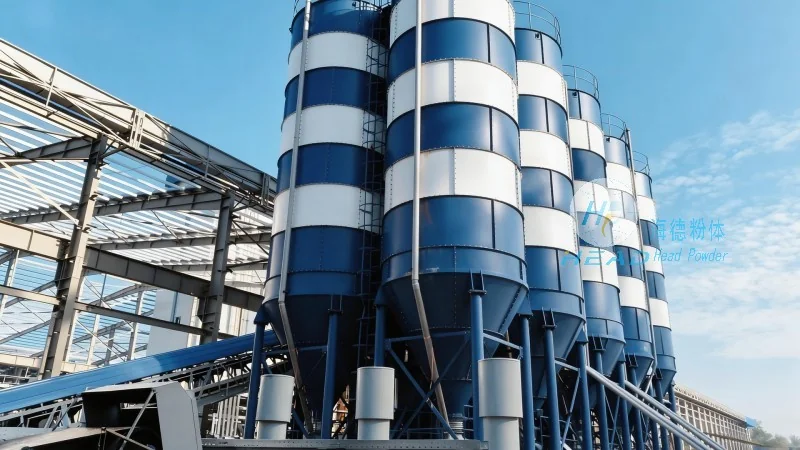
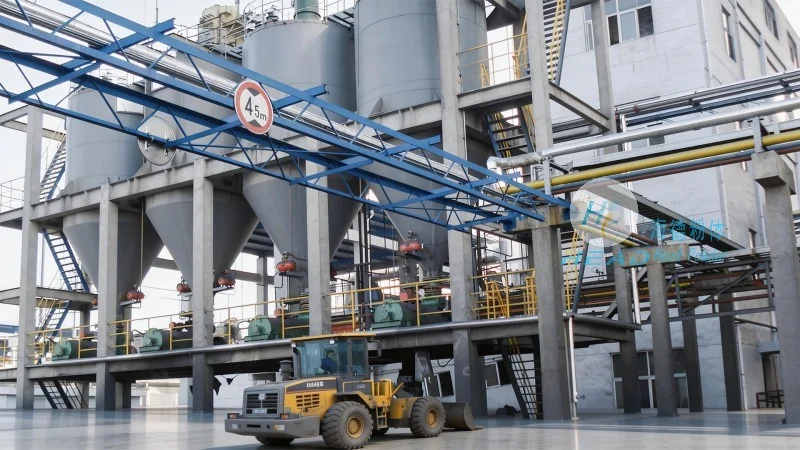
The catalyst powder pneumatic conveying system operates on the principle of transporting solid particles, in this case, catalyst powders, through a pipeline using a pressurized or vacuum air stream. This method eliminates the need for mechanical components like belts or buckets, reducing the risk of contamination and mechanical wear. The system typically consists of a hopper for material storage, a conveying line, a venturi or other air-drafting device to accelerate the powder-air mixture, and a receiver for the discharged material. The air flow, controlled by a blower or vacuum pump, creates a pressure differential that propels the catalyst particles through the system. The design of the system, including the size of the conveying line, the air velocity, and the material feed rate, is crucial for achieving optimal performance and preventing issues like blockages or excessive pressure drops.
Key Working Scene Characteristics and Applications
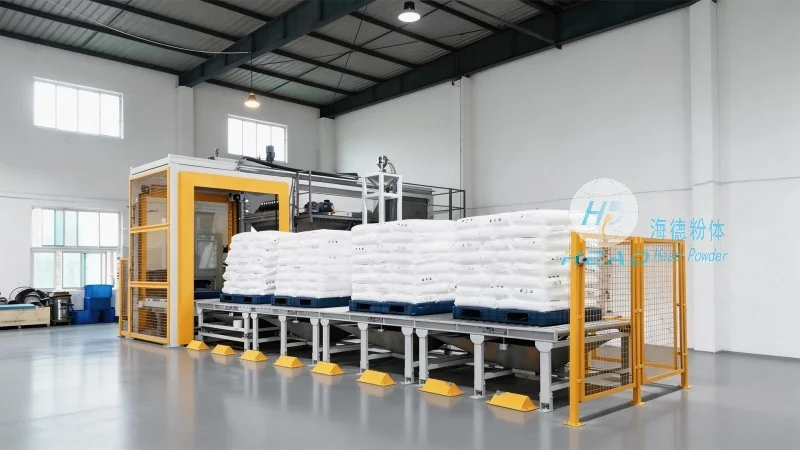
The working scene characteristics of catalyst powder pneumatic conveying systems are tailored to meet the specific needs of diverse industrial environments. These systems are commonly employed in scenarios where catalyst powders need to be transferred between reactors, storage silos, and processing units with precision and minimal exposure to air. For instance, in chemical plants, the system can efficiently convey catalyst powders from a central storage facility to multiple reactors, ensuring consistent dosing and process control. In petroleum refineries, it is used to transport catalysts used in cracking and reforming processes, where maintaining the purity and integrity of the powder is essential for optimal performance. Additionally, in pharmaceutical manufacturing, the system helps in the safe and hygienic transfer of catalyst powders used in drug synthesis, adhering to stringent quality and safety standards. The adaptability of these systems allows them to operate in both batch and continuous modes, accommodating varying production schedules and throughput requirements. The working environment, including temperature and humidity control, is also a critical factor, as catalyst powders can be sensitive to moisture and temperature fluctuations, which the system's design addresses through proper sealing and air filtration.
Company Overview: Shandong HeadPowder Engineering Co., Ltd.
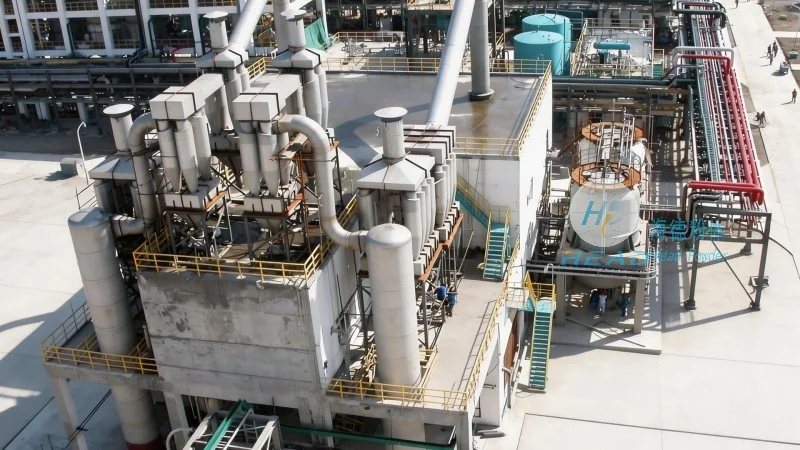
HeadPowder, a leading provider of specialized engineering solutions, specializes in the design, manufacturing, and implementation of advanced pneumatic conveying systems for catalyst powders. With a strong presence in China, particularly in Shandong, the company leverages decades of industry experience to deliver customized solutions that meet the unique requirements of each client. The company's expertise lies in understanding the specific challenges associated with catalyst powder handling, such as particle size distribution, flow properties, and the need for contamination-free transport. By integrating cutting-edge technology with rigorous quality control, HeadPowder ensures that its systems not only enhance operational efficiency but also maintain the highest standards of product integrity. The company's commitment to innovation and customer satisfaction has established it as a trusted partner in the chemical and related industries, providing reliable and efficient solutions for catalyst powder transportation across various industrial settings.




