Desulfurization fly ash, a byproduct of flue gas desulfurization processes in power plants and industrial facilities, requires efficient handling and transportation. Pneumatic conveying systems have emerged as a reliable solution for managing this material, offering advantages in terms of safety, environmental protection, and operational efficiency. This article explores the fundamental principles behind these systems and highlights key working scene characteristics that make them suitable for various industrial applications.
Principle of Pneumatic Conveying for Desulfurization Fly Ash
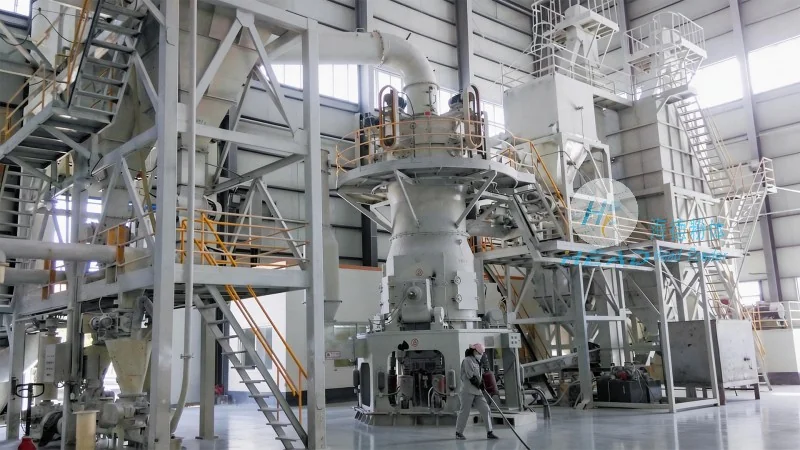
The core principle of a pneumatic conveying system involves the use of air or gas to transport bulk materials through a pipeline. In the context of desulfurization fly ash, the system typically operates under pressure or vacuum conditions. The process begins with the ash being fed into a hopper or feeder, where it is then introduced into a pipeline. Compressed air or a vacuum is applied to create a flow that propels the ash particles through the system. The design of the conveying line, including the choice of pipeline material, diameter, and the use of bends or elbows, is critical to maintaining the flow and preventing blockages. The system may also incorporate components such as cyclones, filters, and silos to separate the ash from the air and store it for further use or disposal.
Key Working Scene Characteristics
The effectiveness of a desulfurization fly ash pneumatic conveying system is influenced by several working scene characteristics that vary based on the industrial environment and operational requirements. These characteristics include:
1. Material Properties: Desulfurization fly ash is characterized by its fine particle size, high moisture content, and sometimes abrasive nature. The system must be designed to handle these properties, ensuring that the conveying process does not cause excessive wear on components or lead to clogging. The use of appropriate materials for the pipeline and equipment, such as stainless steel or corrosion-resistant alloys, is essential to maintain system integrity.
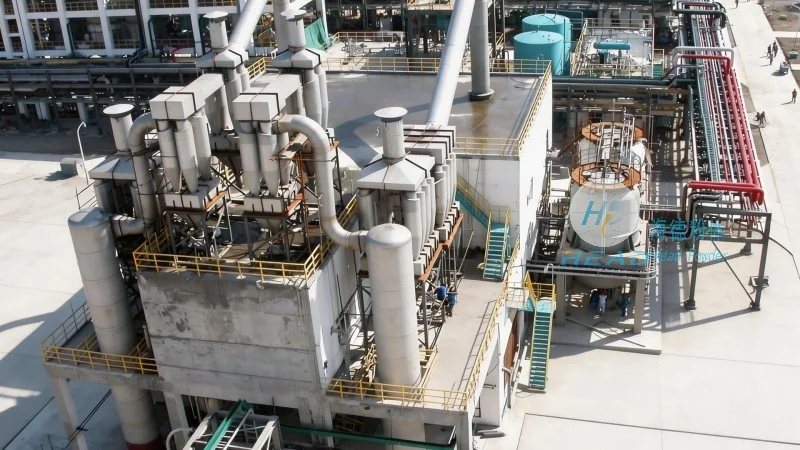
2. System Pressure and Flow Rates: The pressure and flow rate of the conveying air or gas are critical parameters that determine the system's capacity and efficiency. Higher pressure systems are suitable for longer distances or more challenging conveying tasks, while lower pressure systems may be used for shorter distances or less demanding applications. The selection of pressure and flow rates is based on the specific characteristics of the fly ash and the desired conveying distance.
3. Environmental Considerations: Pneumatic conveying systems are often preferred over mechanical systems for handling fly ash due to their ability to minimize dust emissions and environmental impact. The system design incorporates dust collection and filtration components to ensure compliance with environmental regulations and to protect the surrounding environment and personnel. This characteristic is particularly important in industrial settings where air quality is a concern.
4. Operational Flexibility: Modern pneumatic conveying systems are designed to be flexible and adaptable to changing operational conditions. This includes the ability to adjust the conveying rate, switch between pressure and vacuum modes, and integrate with other industrial processes. The system's modular design allows for easy expansion or modification to accommodate increased production or changing material handling requirements.
Applications and Working Scenarios
Desulfurization fly ash pneumatic conveying systems are widely used in various industrial settings, including power plants, chemical plants, and industrial facilities that generate fly ash as a byproduct. The working scenarios vary based on the scale of the operation and the specific requirements of the facility. For example, in large power plants, the system may be used to transport fly ash from the desulfurization unit to a storage silo or to a disposal site. In smaller industrial facilities, the system may be used to handle fly ash from a boiler or a chemical reactor and transport it to a treatment or disposal location.
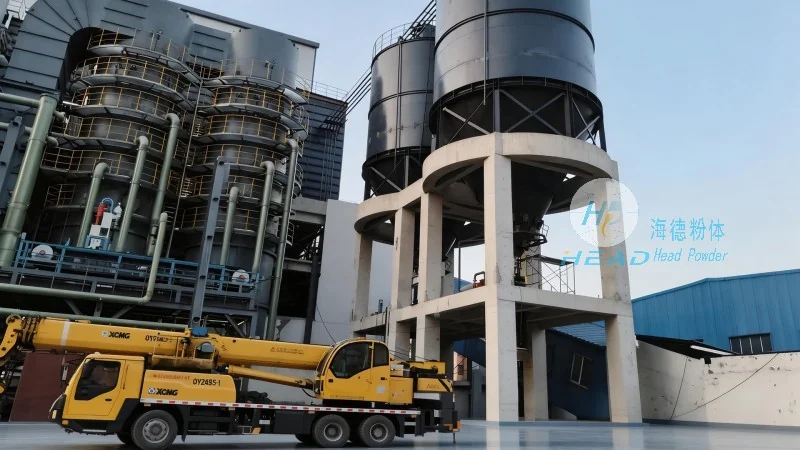
In addition to power plants, these systems are also used in the cement and concrete industry, where fly ash is often used as a supplementary cementitious material. The system's ability to efficiently transport the ash to the production line ensures consistent quality and reduces handling costs. Furthermore, in the waste management sector, pneumatic conveying systems are used to transport fly ash from waste incineration plants to disposal sites or recycling facilities.
Advantages and Considerations
Implementing a pneumatic conveying system for desulfurization fly ash offers several advantages, including improved safety, reduced environmental impact, and increased operational efficiency. The system eliminates the need for manual handling of fly ash, which can be hazardous due to its fine particle size and potential for dust explosions. Additionally, the enclosed system design minimizes dust emissions, protecting both the environment and personnel. From an operational perspective, pneumatic conveying systems can achieve high conveying rates and cover long distances, making them suitable for large-scale industrial applications.
However, there are also considerations to keep in mind when implementing such a system. The initial investment cost can be higher compared to mechanical systems, and the maintenance requirements may be more complex due to the presence of moving parts and the need for regular cleaning and inspection. The system's performance is also dependent on the quality of the fly ash, as variations in particle size or moisture content can affect the conveying efficiency. Proper system design and regular maintenance are essential to ensure optimal performance and longevity.




