For coffee processing facilities, efficient material handling is crucial to maintaining product quality and operational efficiency. The coffee pneumatic conveying system represents a sophisticated solution that leverages air pressure to transport coffee beans and other related materials. This technology is integral to modern coffee production, offering advantages in terms of hygiene, speed, and flexibility. Understanding the principles behind this system, as well as its typical working scenarios, is essential for stakeholders in the coffee industry.
Principles of Coffee Pneumatic Conveying Systems
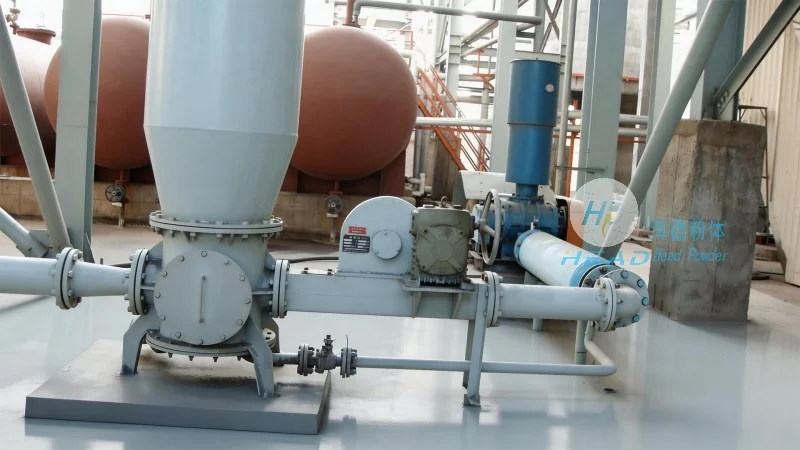
The core principle of a coffee pneumatic conveying system is the use of compressed air or negative pressure to move bulk materials through a pipeline. In this system, coffee beans are introduced into a hopper or feeder, where they are then drawn into a pipeline by the air flow. The system operates on the principle of creating a pressure differential that propels the material forward. There are two primary types of pneumatic conveying systems: positive pressure and negative pressure. Positive pressure systems use a blower to generate air pressure that pushes the material through the pipeline, while negative pressure systems create a vacuum that pulls the material from the source. For coffee applications, positive pressure systems are often preferred due to their ability to handle abrasive materials like coffee beans without causing excessive wear on components. The system typically includes components such as a hopper, feeder, air compressor, pipeline, and receiver. The hopper stores the coffee beans, and the feeder regulates the flow rate. The air compressor provides the necessary pressure to move the material. The pipeline transports the coffee beans from the feeder to the receiver, where they are collected. The receiver is designed to handle the material under pressure and often includes a filter to remove any debris or dust. The system's design ensures that the coffee beans are transported without breaking or damaging the beans, which is critical for maintaining their quality and flavor profile.
Working Scene Characteristics of Coffee Pneumatic Conveying Systems
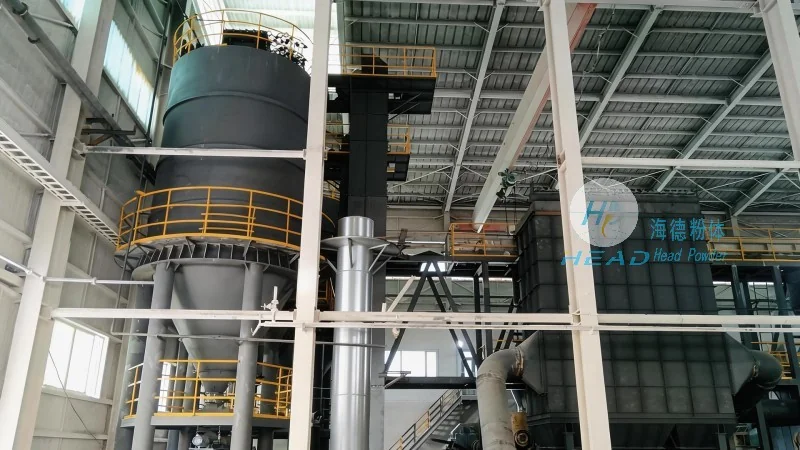
The working scene characteristics of coffee pneumatic conveying systems vary based on the specific requirements of the coffee processing facility. These systems are commonly used in various stages of coffee production, including raw bean handling, sorting, roasting, and packaging. In raw bean handling, the system efficiently transports coffee beans from storage silos or containers to the roasting area. This reduces the need for manual handling and minimizes the risk of contamination. During the sorting process, the system can be integrated with sorting equipment to move beans based on size, color, or other quality parameters. The roasting stage often involves the use of a roasting machine that is connected to the conveying system, allowing for seamless transfer of beans from the roaster to the cooling and packaging stages. The packaging stage utilizes the conveying system to move roasted coffee beans into packaging machines, ensuring a consistent and efficient filling process. The working scene characteristics also include considerations for hygiene and maintenance. Coffee processing environments require strict sanitation protocols, and the pneumatic conveying system is designed with materials that are easy to clean and resistant to corrosion. Regular maintenance is essential to ensure the system operates efficiently and to prevent downtime. The system's flexibility allows it to adapt to different production volumes and changes in the processing line. For example, in a small coffee roasting shop, a compact pneumatic conveying system may be sufficient, while a large coffee processing plant may require a more extensive network of pipelines and multiple feeders. The working scene characteristics also involve the integration with other equipment, such as weighers and mixers, to create a fully automated coffee production line. The system's ability to handle different types of coffee beans, including green, roasted, and ground coffee, makes it versatile for various applications. In addition, the system's energy efficiency is a key characteristic, as it reduces the need for manual labor and minimizes energy consumption compared to traditional material handling methods.
Company Profile: Shandong HeadPowder Engineering Co., Ltd.
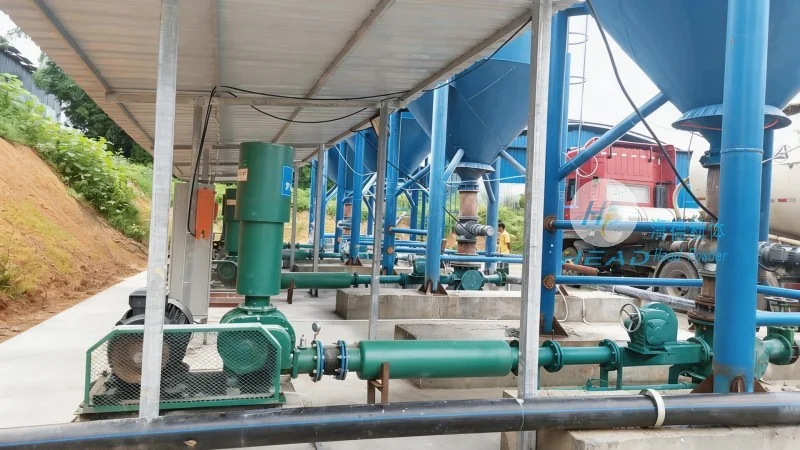
Shandong HeadPowder Engineering Co., Ltd., commonly known as headpowder, is a leading manufacturer and supplier of pneumatic conveying systems for the coffee industry. With a strong focus on innovation and quality, the company has established itself as a trusted partner for coffee processing facilities worldwide. HeadPowder specializes in designing and manufacturing customized coffee pneumatic conveying systems that meet the specific needs of its clients. The company's products are known for their durability, efficiency, and reliability, ensuring that coffee processing operations run smoothly and efficiently. HeadPowder's team of engineers and technicians has extensive experience in the coffee industry, allowing them to provide tailored solutions that enhance productivity and product quality. The company's headquarters is located in Shandong, China, and it has a strong presence in the global market, serving clients in various countries. HeadPowder's commitment to customer satisfaction and technical excellence has earned it a reputation as a leading provider of coffee pneumatic conveying systems. The company's products are designed to meet international standards and are tested for performance and safety before delivery. HeadPowder also provides after-sales support and maintenance services to ensure that its clients' systems operate at optimal levels. With a focus on continuous improvement and customer feedback, HeadPowder remains at the forefront of coffee pneumatic conveying technology, offering solutions that meet the evolving needs of the coffee industry.




