Working Principle and Features of Cement Particle Material Pneumatic Conveying Equipment
Release time:2026-09-18 13:01:26
name of the company:Shandong Headpowder Engineering Co., Ltd.
telephone:156-6277-7102
contacts:Zhang manager
HeadPowder, a leading manufacturer based in Shandong, China, specializes in the design and production of advanced pneumatic conveying systems tailored for cement particle materials. These systems are engineered to efficiently transport bulk materials like cement, ensuring reliable performance in industrial applications. The following sections delve into the working principle and key features of such equipment, highlighting its operational efficiency and technical advantages.
Working Principle of Cement Particle Material Pneumatic Conveying Equipment
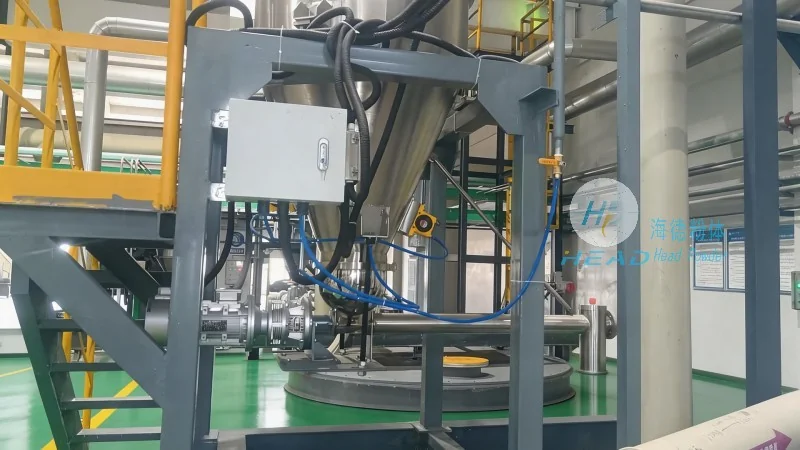
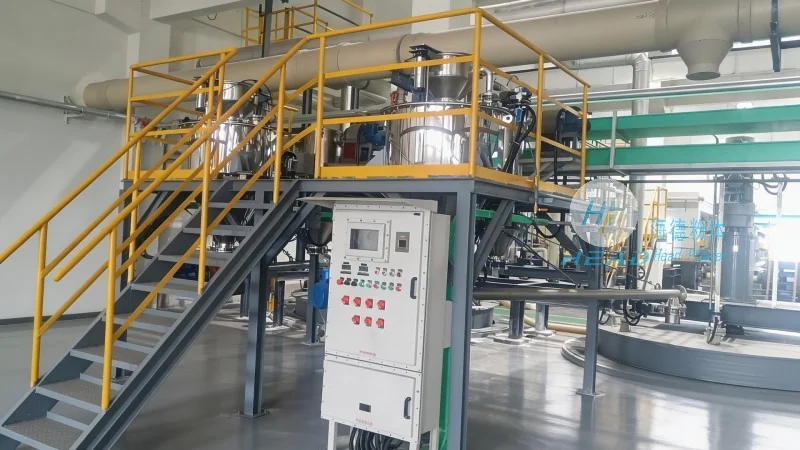
The core mechanism of cement particle material pneumatic conveying equipment involves the use of compressed air to move bulk materials through a pipeline system. The process typically begins with the material being fed into a hopper or feeder, where it is then introduced into a pipeline. Compressed air, generated by a blower or compressor, is introduced into the pipeline, creating a flow that propels the cement particles forward. This method eliminates the need for mechanical components like belts or buckets, reducing maintenance requirements and increasing operational reliability. The equipment operates by maintaining a consistent air pressure and flow rate, ensuring that the cement particles are conveyed smoothly without blockages or degradation. The system can be configured in various modes, including dilute phase and dense phase conveying, to accommodate different material characteristics and application requirements.
Key Features of Cement Particle Material Pneumatic Conveying Equipment
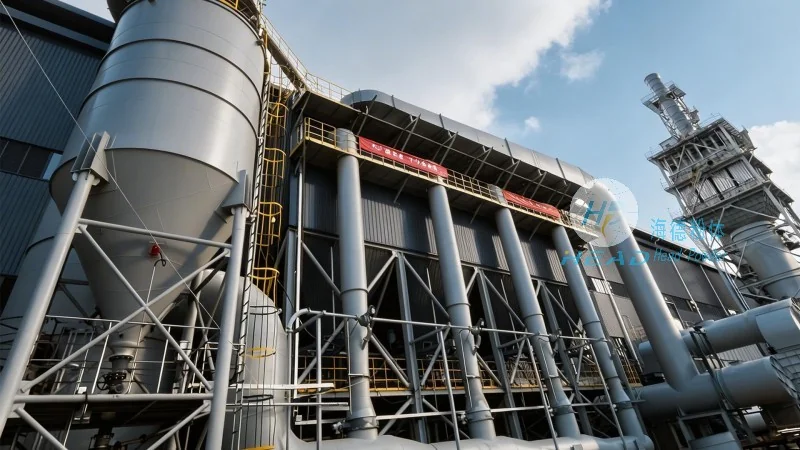
HeadPowder's pneumatic conveying systems for cement particles offer several distinct advantages that enhance performance and user experience. One of the primary features is the ability to handle abrasive and fine materials without causing wear or damage to the equipment. The design incorporates high-quality materials, such as stainless steel or corrosion-resistant alloys, to withstand the harsh conditions of cement handling. Additionally, the system is equipped with advanced control systems that allow for precise regulation of air pressure and flow, ensuring optimal conveying efficiency. This results in reduced energy consumption and lower operational costs over time. Another notable feature is the flexibility in system configuration, allowing for integration with existing industrial setups or custom-built solutions tailored to specific production needs. The equipment also provides a hygienic and dust-free operation, which is crucial for maintaining quality standards in cement processing. Furthermore, the compact design of the system minimizes space requirements, making it suitable for both new installations and retrofitting into existing facilities.
Applications and Benefits in Cement Industry
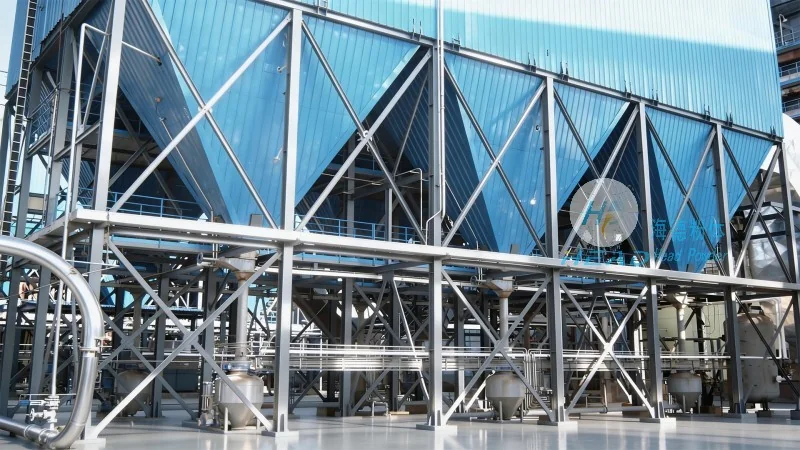
The pneumatic conveying equipment is widely used in the cement industry for tasks such as raw material transport, finished product handling, and waste material removal. By utilizing this technology, cement manufacturers can achieve significant improvements in production efficiency and safety. The absence of moving parts reduces the risk of mechanical failures and associated downtime, while the dust-free operation enhances workplace safety and compliance with environmental regulations. The system's ability to handle large volumes of material at high speeds contributes to increased throughput, allowing manufacturers to meet growing market demands. Moreover, the energy-efficient design of the equipment helps reduce operational costs, making it a cost-effective solution for long-term use. The reliability and durability of the system ensure consistent performance, even under demanding operational conditions, providing a stable foundation for continuous production.




