For industries that rely on the efficient handling of pigment materials, understanding the operational mechanics and key attributes of specialized conveying systems is crucial. This article delves into the working principle and distinctive features of pigment material conveying system equipment, highlighting how such technology enhances productivity and material management in industrial settings.
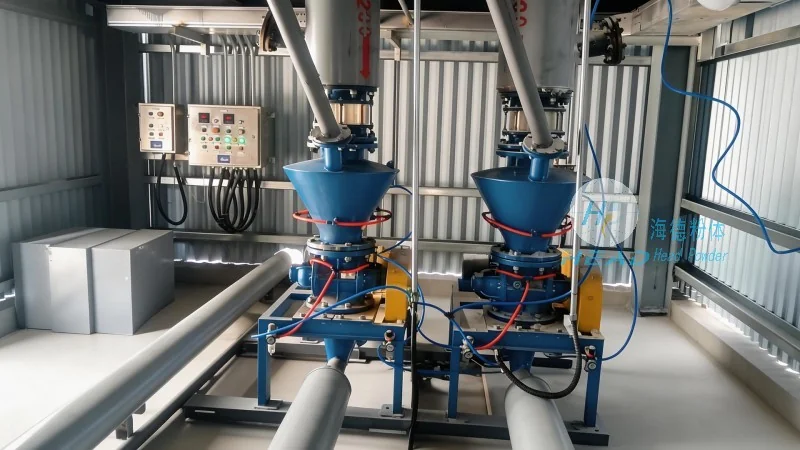
Introduction to Pigment Material Conveying Systems
Pigment material conveying systems are engineered to transport bulk quantities of pigments, powders, and other fine particulate materials with precision and reliability. These systems are integral to manufacturing processes in sectors like coatings, inks, plastics, and pharmaceuticals, where consistent material flow is essential for quality control and production efficiency. The equipment is designed to handle materials that are often abrasive, dusty, or sensitive to moisture, requiring specialized components to ensure safe and effective operation.
Working Principle of Pigment Material Conveying Equipment
The core working principle of pigment material conveying systems revolves around the use of mechanical components to move materials from a source to a destination. Common mechanisms include screw conveyors, pneumatic conveying systems, and bucket elevators, each tailored to specific material characteristics and operational requirements. For instance, screw conveyors utilize rotating screws to push material forward through a trough, while pneumatic systems employ air pressure to transport powders in a sealed pipeline. The selection of a particular mechanism depends on factors such as material density, flowability, and the distance over which the material needs to be conveyed.
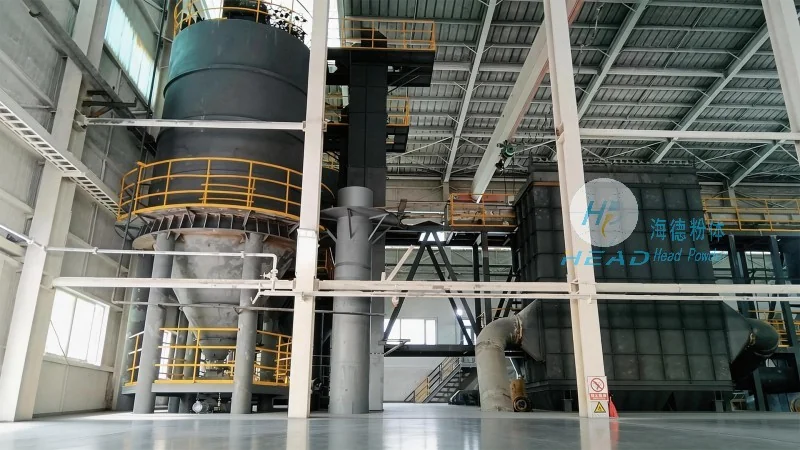
Within the system, components like feed hoppers, rotary valves, and control panels play critical roles in regulating the flow of material. Feed hoppers collect and store the pigment material, ensuring a consistent supply to the conveyor. Rotary valves then control the discharge of material into the conveying mechanism, preventing backflow and maintaining a steady flow rate. Control panels provide operators with real-time monitoring and adjustment capabilities, allowing for immediate response to changes in material conditions or system performance.
Key Features of Pigment Material Conveying Systems
The features of pigment material conveying systems are designed to address the unique challenges of handling fine powders and ensure optimal performance. One of the primary features is the ability to handle abrasive and corrosive materials without degradation of the equipment. This is achieved through the use of high-quality materials for the conveyor components, such as stainless steel or specialized polymers, which resist wear and chemical attack.
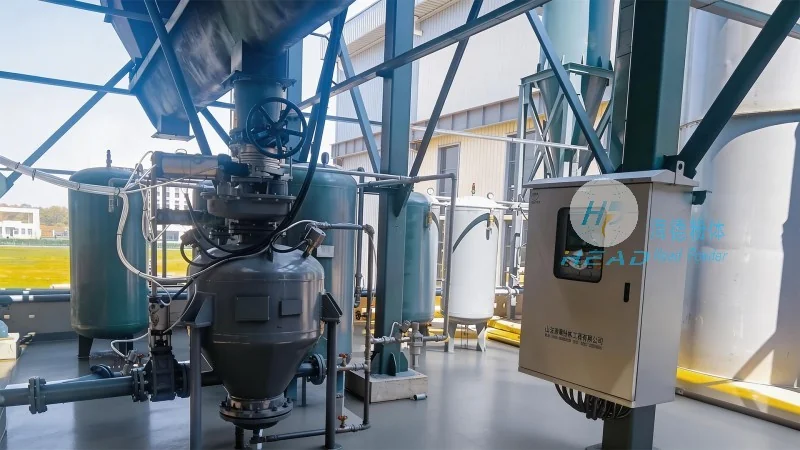
Another critical feature is the system's dust control capabilities. Pigment materials are often fine and can generate significant dust during handling, posing health and safety risks. Advanced conveying systems incorporate dust suppression mechanisms, such as sealed enclosures and air filtration systems, to minimize airborne particles and maintain a safe working environment. This not only protects personnel but also prevents material loss and contamination of other processes.
Efficiency and energy conservation are also key features. Modern conveying systems are designed to operate with minimal energy consumption while maximizing material throughput. Variable speed drives and optimized conveyor designs help reduce energy costs without compromising performance. Additionally, the systems are equipped with sensors and monitoring tools that provide real-time data on flow rates, pressure, and material levels, enabling proactive maintenance and reducing downtime.
Application-Specific Advantages
The adaptability of pigment material conveying systems makes them suitable for a wide range of applications. In the coatings industry, for example, these systems ensure consistent pigment distribution in paint formulations, leading to uniform color and texture. In the ink manufacturing sector, precise conveying of pigments is essential for producing high-quality inks with stable properties. The pharmaceutical industry benefits from the hygienic design of these systems, which prevents cross-contamination and meets stringent regulatory standards.
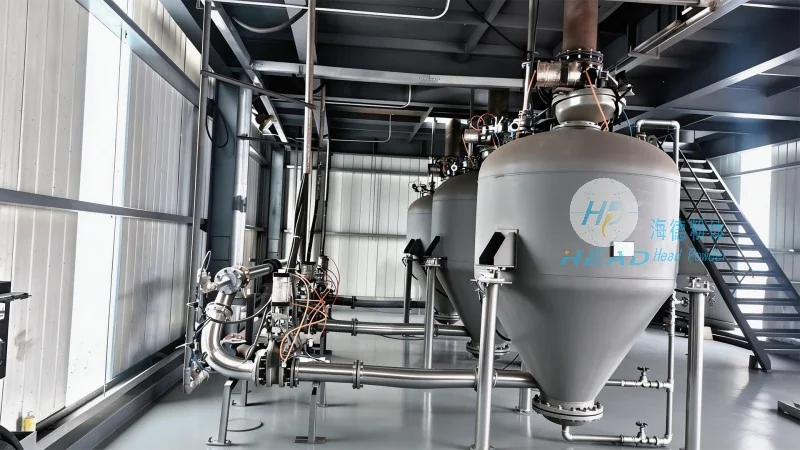
Furthermore, the systems are designed for easy integration into existing production lines. Modular components allow for flexible configurations, enabling manufacturers to adjust the system size or capacity as production needs change. This flexibility reduces the need for costly system overhauls and enhances the overall return on investment.
Conclusion
In summary, pigment material conveying system equipment operates on a principle of mechanical efficiency and precision, with features tailored to the demands of handling fine, often abrasive materials. The integration of advanced components, such as dust control mechanisms and energy-efficient designs, ensures that these systems not only improve operational productivity but also maintain safety and compliance standards. For industries relying on consistent material flow, investing in such specialized equipment from reputable manufacturers like Shandong HeadPowder Engineering Co., Ltd. offers a reliable solution to enhance production quality and efficiency.




