Carbon fiber material conveying lines are sophisticated industrial systems designed to handle the transportation of carbon fiber materials with precision and efficiency. These systems are integral to various manufacturing processes, particularly in industries that rely on high-performance carbon fiber components. The operation and design of such lines are tailored to meet the specific demands of handling lightweight, high-strength carbon fiber materials, ensuring minimal damage and optimal flow during the material transfer process. Developed by Shandong HeadPowder Engineering Co., Ltd., a leading manufacturer based in Shandong, China, these conveying lines exemplify advanced engineering solutions for carbon fiber material handling.
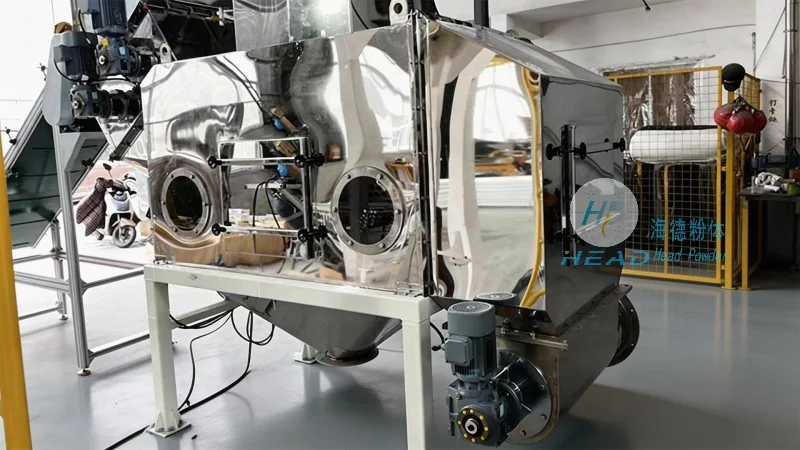
Working Principle of Carbon Fiber Material Conveying Lines
The core working principle of carbon fiber material conveying lines revolves around a combination of mechanical components and control systems that work in tandem to move carbon fiber materials from one location to another. At the heart of these systems are conveyor mechanisms, such as belt conveyors, screw conveyors, or pneumatic conveyors, which are selected based on the material's properties and the required handling environment. For carbon fiber, which is often in the form of tows, rovings, or chopped fibers, the choice of conveyor type is critical to prevent fiber breakage and maintain material integrity.
Typically, the conveying process begins with the material being loaded into a hopper or feed system. From there, the material is fed into the conveyor mechanism. In belt conveyors, for example, a rubber or specialized belt transports the carbon fiber, while in screw conveyors, a rotating screw pushes the material forward. Pneumatic conveyors use air pressure to move the material through a tube, which is often preferred for fine or dusty carbon fiber powders. The control system, usually integrated with sensors and automation technology, monitors the flow rate, material level, and any potential blockages, ensuring smooth operation and preventing downtime.
Key components in the working principle include feeding mechanisms, conveyor belts or screws, drive systems, and control units. Feeding mechanisms ensure a consistent and controlled input of carbon fiber material, while the conveyor system provides the necessary force to move the material through the line. Drive systems, such as electric motors, power the conveyor, and control units manage the speed and direction of the movement. Sensors, including level sensors and position sensors, provide real-time data to the control system, allowing for adjustments to be made automatically if needed. This integrated approach ensures that the carbon fiber material is handled gently and efficiently, minimizing the risk of damage and maintaining the material's quality throughout the conveying process.
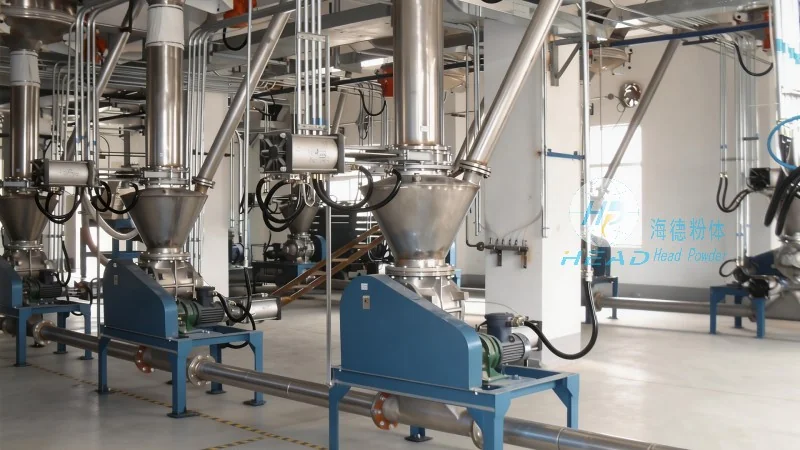
Key Features of Carbon Fiber Material Conveying Lines
Carbon fiber material conveying lines are characterized by several key features that distinguish them from conventional material handling systems. These features are designed to address the unique challenges of carbon fiber materials, such as their high strength, low density, and sensitivity to handling conditions. One of the primary features is the use of specialized materials for the conveyor components. For instance, conveyor belts may be made of non-stick or low-friction materials to prevent carbon fiber fibers from adhering to the belt surface, which could cause breakage or contamination. Similarly, screw conveyors may use materials like stainless steel or specialized polymers that are resistant to the abrasive nature of carbon fiber.
Another important feature is the emphasis on gentle handling. Carbon fiber materials are prone to damage from friction, impact, or excessive tension. Therefore, conveying lines are designed with smooth surfaces and minimal contact points to reduce the risk of fiber breakage. The use of soft or flexible conveyor belts, as well as the avoidance of sharp edges or rough surfaces, contributes to this gentle handling approach. Additionally, the system may incorporate vibration dampening or shock absorption mechanisms to further protect the material during transport.
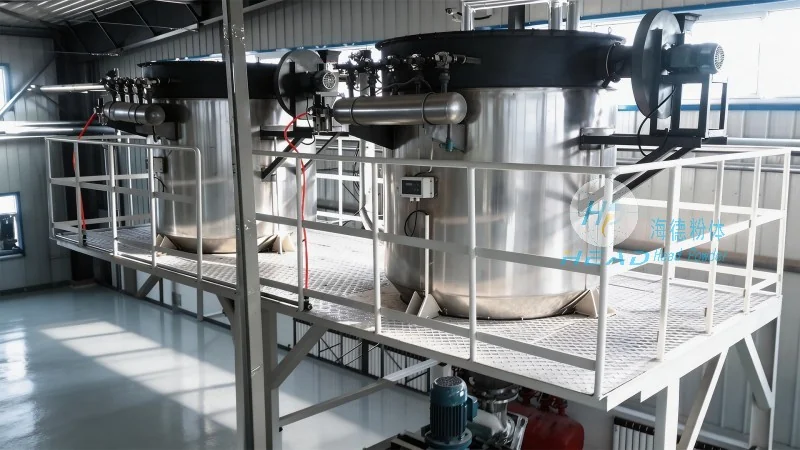
Efficiency and precision are also critical features of these conveying lines. Advanced control systems allow for precise control over the material flow rate, ensuring that the correct amount of carbon fiber is delivered to the next stage of the manufacturing process. This precision is essential for maintaining consistent product quality and reducing waste. Furthermore, the systems are often equipped with monitoring and diagnostic tools that provide real-time data on the system's performance, enabling quick identification and resolution of any issues that may arise.
Modularity and adaptability are additional features that make carbon fiber material conveying lines versatile. These systems can be customized to accommodate different types of carbon fiber materials, such as tows, rovings, or powders, by adjusting the conveyor design and components. This adaptability allows manufacturers to use the same conveying line for various applications, reducing the need for multiple specialized systems and improving operational flexibility. The modular design also facilitates maintenance and repairs, as individual components can be replaced or upgraded without disrupting the entire system.
Applications and Benefits in Industrial Settings
Carbon fiber material conveying lines find extensive applications in industries that rely on carbon fiber composites, including aerospace, automotive, and sports equipment manufacturing. In aerospace, for example, these systems are used to transport carbon fiber tows for the production of aircraft components, where precision and material integrity are paramount. In the automotive industry, they are employed in the manufacturing of carbon fiber parts for high-performance vehicles, ensuring that the material is handled efficiently and without damage. The sports equipment sector also benefits from these systems, as they are used to convey carbon fiber rovings for the production of tennis rackets, bicycles, and other performance products.




