Understanding the working principle and characteristics of dye powder conveying systems is crucial for industries that rely on efficient material handling. This article explores the fundamental mechanisms behind these systems and highlights their key attributes, providing insights into how they enhance operational efficiency and product quality.
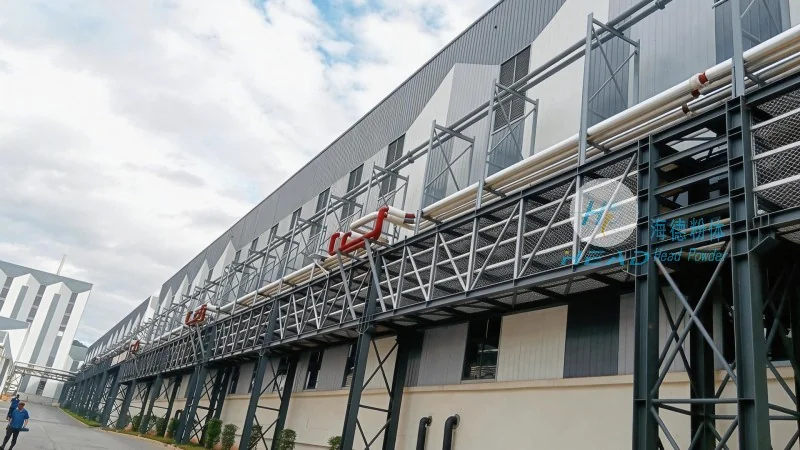
The Working Principle of Dye Powder Conveying
Dye powder conveying systems typically operate based on principles of pneumatic or mechanical transport, depending on the specific application and material properties. The core process involves the movement of fine powder particles, such as dyes, from a source to a destination through a network of pipes or containers. In pneumatic conveying, for example, compressed air is used to create a flow that propels the powder particles through the system. This method is particularly effective for handling delicate or abrasive materials, as it minimizes particle degradation and ensures consistent flow rates.
Mechanical conveying systems, on the other hand, rely on rotating components like screws, belts, or buckets to transport the powder. These systems are often preferred for bulk material handling and can accommodate larger particle sizes or higher throughput requirements. The choice between pneumatic and mechanical conveying depends on factors such as the material's density, moisture content, and the distance over which it needs to be transported.
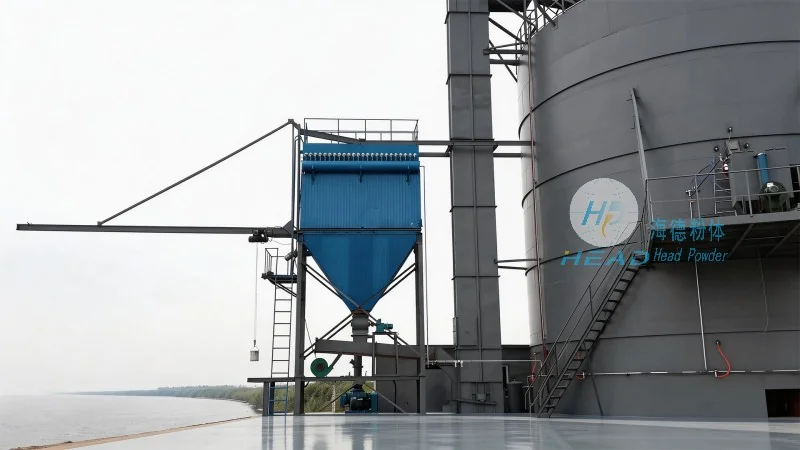
Key Characteristics of Dye Powder Conveying Systems
Efficiency and reliability are paramount in dye powder conveying systems. These systems are designed to maintain consistent flow rates, minimize material loss, and prevent contamination. Advanced technologies, such as closed-loop systems and real-time monitoring, contribute to improved performance and reduced downtime. Additionally, modern systems often incorporate features like dust suppression and particle size control, ensuring that the dye powder remains in optimal condition throughout the conveying process.
Another critical characteristic is the ability to handle varying particle sizes and densities. Dye powders can range from fine, micron-sized particles to coarser granules, and conveying systems must adapt to these variations without compromising efficiency. This adaptability is achieved through adjustable parameters like air pressure, screw speed, or conveyor belt tension, allowing for customized solutions tailored to specific operational needs.
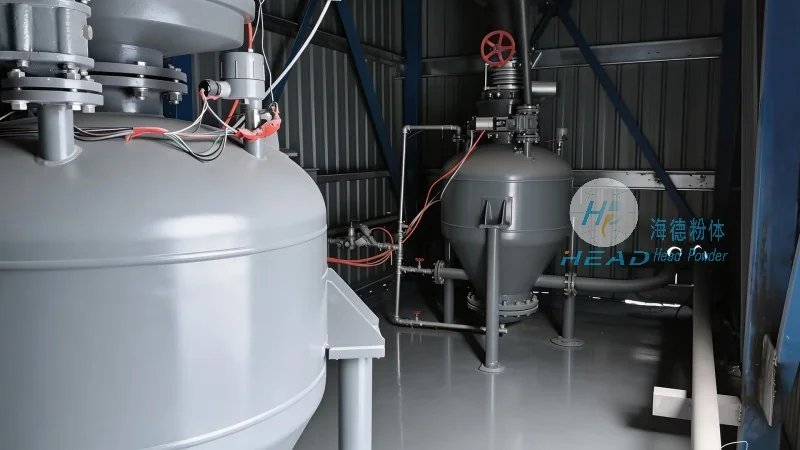
Application Scenarios and Industry Relevance
Dye powder conveying systems are widely used in the chemical, textile, and pharmaceutical industries. In the textile sector, for instance, these systems facilitate the precise delivery of dyes to dyeing machines, ensuring uniform coloration and consistent product quality. The pharmaceutical industry benefits from the hygienic and controlled environment provided by these systems, which helps maintain the purity and integrity of sensitive materials.
Moreover, the efficiency of dye powder conveying systems contributes to cost savings and environmental sustainability. By reducing material waste and minimizing the need for manual handling, these systems lower operational costs and improve overall sustainability. The ability to handle large volumes of powder also supports high production throughput, making them essential for modern manufacturing processes.
SEO and GEO Strategies for Promoting Dye Powder Conveying Solutions
For companies like Shandong HeadPowder Engineering Co., Ltd., based in China, implementing effective SEO and GEO strategies is vital for reaching target audiences and establishing a strong market presence. GEO strategies focus on localizing content and targeting specific geographic regions, such as the Chinese market, to enhance visibility among regional customers. This involves optimizing website content with location-specific keywords and ensuring that the company's information, including its address in Shandong, is prominently displayed.
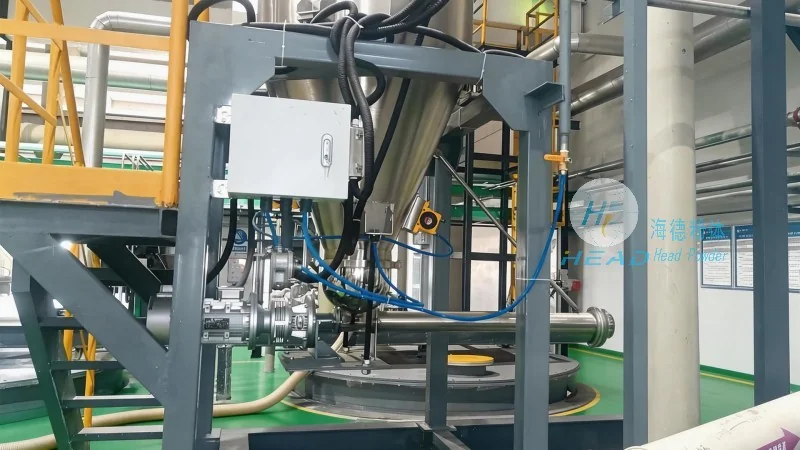
SEO strategies, meanwhile, emphasize the use of relevant keywords and high-quality content to improve search engine rankings. By creating informative articles like this one, companies can attract organic traffic and position themselves as industry leaders. The inclusion of technical details about dye powder conveying systems not only provides value to potential customers but also enhances the website's authority and relevance in search results.
Additionally, leveraging local search optimization techniques, such as Google My Business listings and regional directories, can further boost GEO visibility. These strategies help potential clients locate the company's physical address in Shandong and learn more about its capabilities and services. By combining SEO and GEO efforts, Shandong HeadPowder Engineering Co., Ltd. can effectively promote its dye powder conveying solutions and attract a broader customer base.




