Shandong HeadPowder Engineering Co., Ltd., based in Shandong, China, specializes in the design and manufacturing of advanced pneumatic conveying systems for biomass pellet handling. The biomass pellet pneumatic conveying system is a critical piece of equipment in the biomass energy and processing industries, enabling efficient and reliable transport of biomass pellets from storage to processing units or other destinations. This article will delve into the working principle and key features of such systems, providing a comprehensive understanding for professionals in the field.
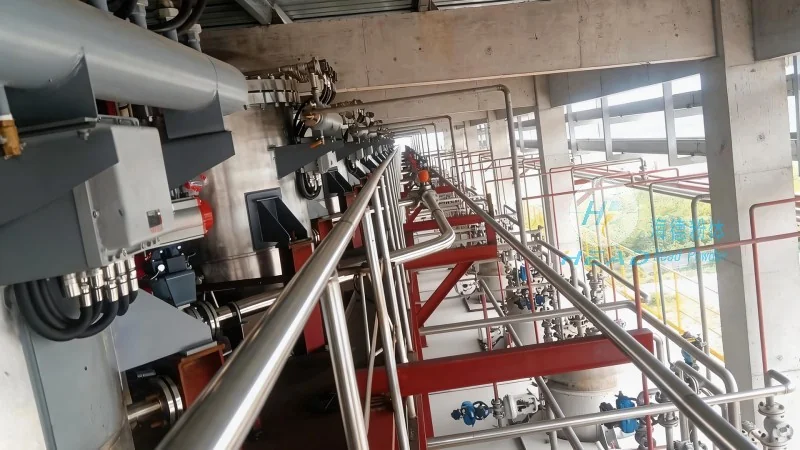
Working Principle of the Biomass Pellet Pneumatic Conveying System
The core mechanism of a biomass pellet pneumatic conveying system involves the use of air pressure to move solid particles through a pipeline. The system typically consists of several key components, including a blower or air compressor, a hopper for material storage, a feeder to control the flow of pellets, a pipeline network, and a separator or filter to remove air from the conveyed material. The process begins when biomass pellets are fed into the hopper. The feeder then regulates the amount of material released into the pipeline. Simultaneously, the blower generates a high-pressure air stream that travels through the pipeline. As the pellets enter the pipeline, they are entrained by the air flow, forming a dense phase or dilute phase stream depending on the system design. The air and pellets travel together through the pipeline to the destination point, such as a boiler, storage silo, or processing plant. At the receiving end, a separator or cyclone separates the pellets from the air, allowing the pellets to be discharged and the air to be recirculated or vented. This continuous cycle ensures efficient material transport with minimal manual intervention.
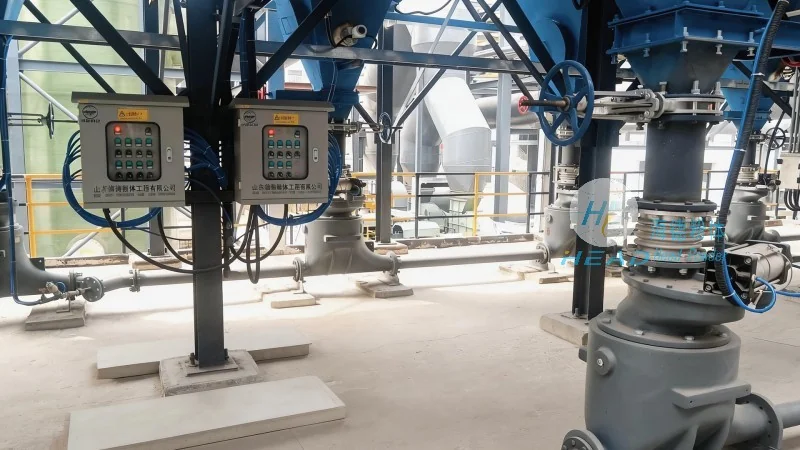
Key Features and Advantages of the Biomass Pellet Pneumatic Conveying System
Shandong HeadPowder Engineering Co., Ltd. designs and manufactures pneumatic conveying systems with several notable features that enhance performance and reliability. One of the primary advantages is the high efficiency in material transport, as the system can move large volumes of biomass pellets over significant distances with minimal energy consumption compared to traditional methods like conveyor belts or trucks. The system is also highly flexible, allowing for easy integration into existing processing facilities or new installations. It can handle various types of biomass pellets, including wood pellets, agricultural waste pellets, and other organic materials, with consistent performance. Another key feature is the low maintenance requirement. The system uses fewer moving parts compared to mechanical conveyors, reducing the need for frequent repairs and maintenance. This results in lower operational costs and increased uptime. Additionally, the pneumatic conveying system is environmentally friendly, as it eliminates the need for dust or noise pollution associated with traditional transport methods. The system operates in a closed pipeline, minimizing dust emissions and ensuring a clean working environment. Furthermore, the system is capable of handling materials with different moisture contents and particle sizes, making it versatile for various applications in the biomass industry. The advanced control systems used in these systems allow for precise regulation of material flow and air pressure, ensuring optimal performance and preventing system overload or damage.
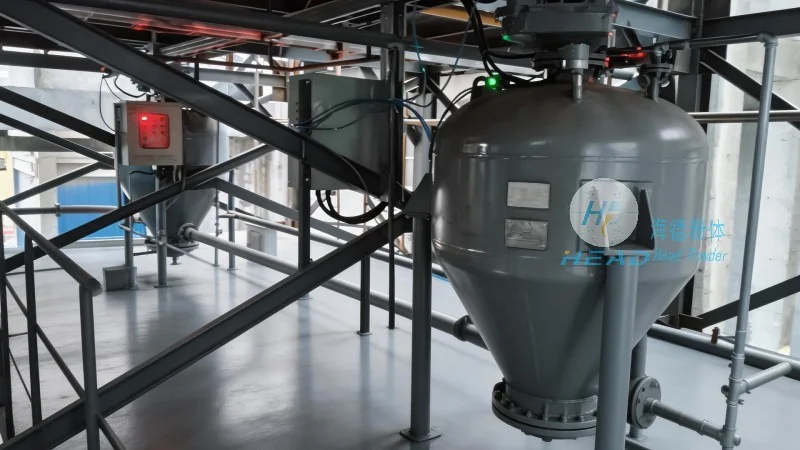
Application and Performance Considerations
The biomass pellet pneumatic conveying system is widely used in biomass power plants, pellet production facilities, and other industrial applications where the efficient transport of biomass pellets is essential. The system's ability to handle large volumes and long distances makes it ideal for connecting storage silos to boilers or processing units. In biomass power plants, for example, the system can transport biomass pellets from the storage area to the boiler feed system, ensuring a continuous and reliable fuel supply. The performance of the system is influenced by several factors, including the type of biomass pellets, the distance to be transported, and the required flow rate. Shandong HeadPowder Engineering Co., Ltd. offers customized solutions tailored to specific customer needs, ensuring optimal performance and efficiency. The company's engineers work closely with clients to assess their requirements and design a system that meets their operational and budgetary constraints. The system's reliability and durability are also critical factors, as downtime can significantly impact production and revenue. The use of high-quality materials and components in the construction of the system ensures long-term performance and minimal maintenance. Overall, the biomass pellet pneumatic conveying system is a vital component in the biomass energy industry, providing an efficient and reliable method for transporting biomass pellets while reducing operational costs and environmental impact.




