

What is a Sodium Phosphate Material Pneumatic Conveying System? What Are Its Design Principles?
Understanding the functionality and design principles of a sodium phosphate material pneumatic conveying system is crucial for industries dealing with this specific chemical compound. This article aims to provide a comprehensive overview, focusing on the system's components, operational mechanisms, and the engineering principles that underpin its effective operation.
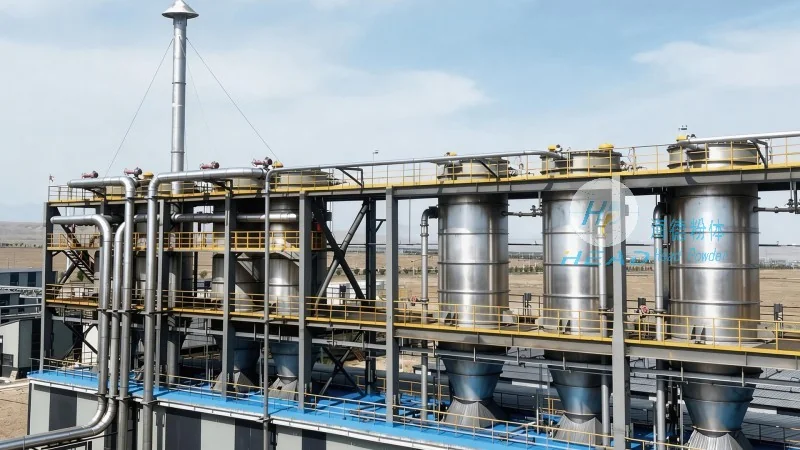
Introduction to Sodium Phosphate Pneumatic Conveying Systems
A sodium phosphate material pneumatic conveying system is a specialized industrial equipment designed to transport sodium phosphate, a common chemical used in various applications such as food processing, pharmaceuticals, and water treatment. Unlike traditional mechanical conveyors, this system utilizes compressed air or other gases to move the material through a pipeline network. The primary advantage of such a system lies in its ability to handle materials that are difficult to transport via conventional methods, including those with high moisture content, abrasive properties, or those that are prone to caking.
Key Components of the Pneumatic Conveying System
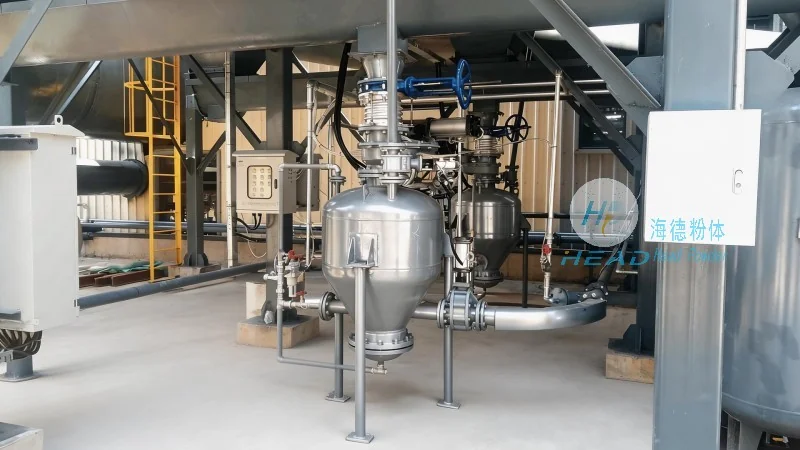
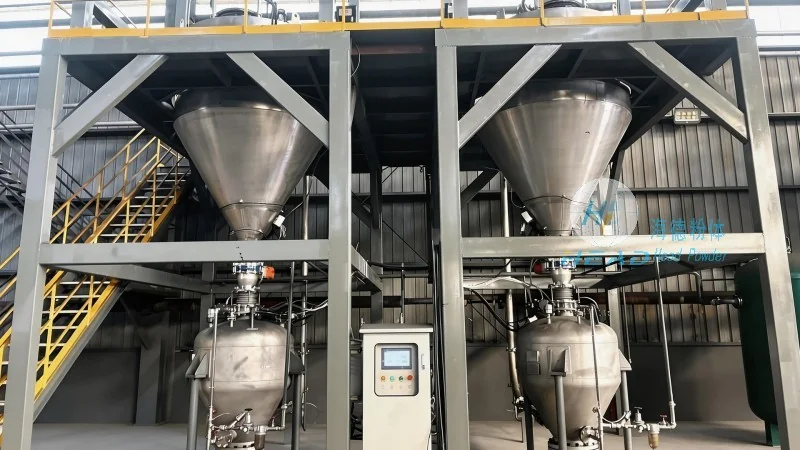
The effectiveness of a sodium phosphate pneumatic conveying system is determined by its key components, each playing a critical role in the material handling process. The main components typically include a material feeder, a compressor or air supply unit, a conveying pipeline, and a receiver or discharge unit. The material feeder is responsible for introducing the sodium phosphate into the system, ensuring a consistent and controlled flow. The compressor generates the necessary pressure and airflow to move the material through the pipeline. The conveying pipeline, often made of materials resistant to corrosion and wear, transports the material from the feeder to the receiver. Finally, the receiver collects the material and may include a discharge mechanism to transfer it to the next processing stage.
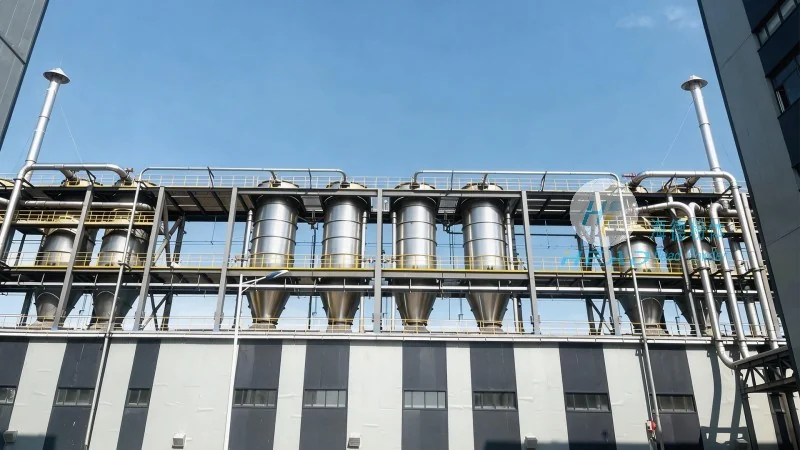
Design Principles and Operational Mechanisms
The design principles of a sodium phosphate pneumatic conveying system are centered on maintaining the material's integrity and ensuring efficient transport. One of the fundamental principles is the balance between the air velocity and the material's velocity within the pipeline. If the air velocity is too low, the material may settle and cause blockages; if it is too high, the material may be damaged or the system may become inefficient. Engineers use fluid dynamics and particle mechanics to calculate the optimal air velocity and pressure for the specific characteristics of sodium phosphate, such as its particle size, density, and flow properties. Additionally, the system's design considers factors like pipeline length, elevation changes, and the presence of bends or fittings, which can affect the pressure drop and overall efficiency. The use of appropriate materials for the pipeline and components is also critical to prevent corrosion or wear from the abrasive nature of sodium phosphate.
Advantages of Using a Pneumatic Conveying System for Sodium Phosphate
Implementing a pneumatic conveying system for sodium phosphate offers several advantages over traditional conveying methods. One significant benefit is the ability to handle materials with high moisture content or those that are prone to caking, as the air flow helps maintain the material's flowability. The system also reduces the risk of contamination, as it operates in a closed environment, preventing exposure to external elements. Furthermore, pneumatic conveying systems can be integrated with other processing equipment, such as mixers or reactors, allowing for a seamless material transfer process. The flexibility of the system allows for easy modifications to the conveying route, making it suitable for various industrial settings. Another advantage is the reduced labor costs associated with manual handling, as the system automates the material transport process.
Considerations for System Maintenance and Safety
Maintaining the performance and safety of a sodium phosphate pneumatic conveying system requires regular maintenance and adherence to safety protocols. Regular inspection of the pipeline and components is essential to detect any signs of wear or corrosion, which can lead to system failures or material leakage. The compressor and air filtration system should be checked regularly to ensure they are operating efficiently and providing clean air. The material feeder and receiver should be cleaned periodically to prevent the buildup of material residues, which can affect the system's performance. Safety measures, such as proper ventilation and the use of protective equipment, are crucial when handling sodium phosphate, as it can be an irritant to the skin and eyes. Additionally, emergency shutdown procedures should be in place to handle any unexpected issues, such as pipeline blockages or compressor failures.
Conclusion
In conclusion, a sodium phosphate material pneumatic conveying system is a sophisticated piece of industrial equipment that effectively transports this chemical compound through a pneumatic system. The design principles, which include careful consideration of fluid dynamics, material properties, and operational parameters, ensure the system's efficiency and reliability. The advantages of using such a system, including its ability to handle difficult-to-transport materials and its integration with other processing equipment, make it a valuable asset for industries dealing with sodium phosphate. Proper maintenance and adherence to safety protocols are essential to maximize the system's lifespan and performance. As a leading provider in this field, Shandong HeadPowder Engineering Co., Ltd. specializes in designing and manufacturing high-quality pneumatic conveying systems tailored to the specific needs of clients, ensuring optimal performance and safety in material handling operations.