For industries dealing with bulk materials like pearl sand, efficient and reliable transport solutions are crucial to maintaining operational efficiency and product quality. Pearl sand, a fine abrasive material often used in foundries, ceramics, and other manufacturing processes, requires specialized handling to prevent degradation and ensure consistent performance. Traditional methods such as bucket elevators or belt conveyors may struggle with the fine particle size and abrasive nature of pearl sand, leading to equipment wear, material loss, and increased maintenance costs. This is where pneumatic conveying technology emerges as a superior alternative, offering a flexible, low-maintenance, and efficient solution for bulk material transport.
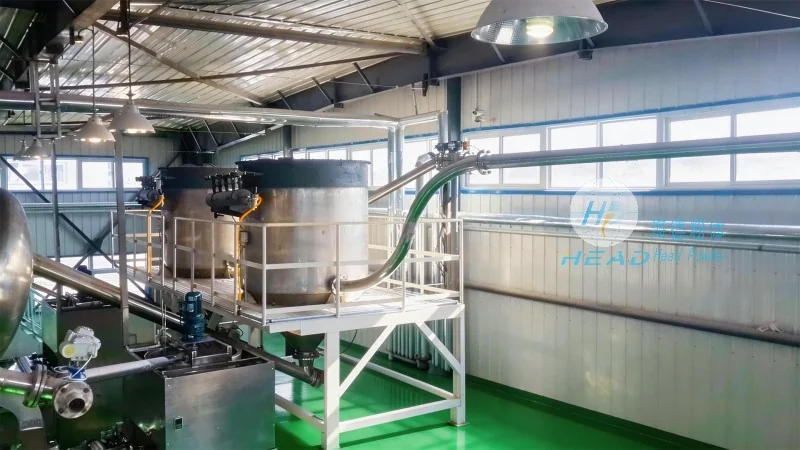
Pneumatic Conveying: The Superior Choice for Pearl Sand Transport
Pneumatic conveying systems utilize air or gas to transport bulk materials through a pipeline network. Unlike mechanical systems that rely on moving parts and physical contact with the material, pneumatic conveyors minimize friction and abrasion, making them ideal for handling fine, abrasive, or sensitive materials like pearl sand. The system typically consists of a hopper for material storage, a conveyor line (either positive or negative pressure), and a receiver for material discharge. By using air as the conveying medium, the system can transport materials over long distances, through vertical and horizontal sections, and even around obstacles, providing unmatched flexibility in plant layout and material flow management.
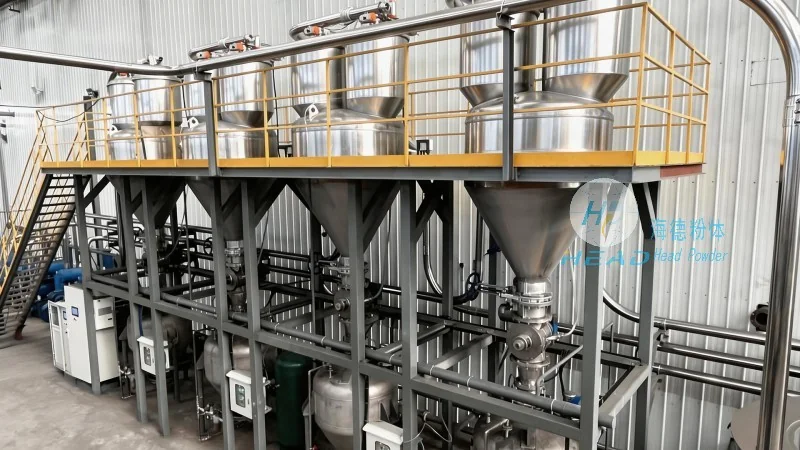
Key Advantages of Pneumatic Conveying for Pearl Sand
When compared to traditional bulk handling methods, pneumatic conveying offers several distinct advantages for pearl sand transport. First, it significantly reduces equipment wear and tear. The absence of mechanical components that come into direct contact with the material minimizes abrasion, extending the lifespan of conveyor components and lowering long-term maintenance expenses. Second, pneumatic systems provide excellent material containment, preventing dust emissions and ensuring compliance with environmental regulations. This is particularly important for pearl sand, which can generate fine particulate matter that poses health and safety risks if not properly contained. Third, the technology allows for precise control over material flow rates and pressure, enabling consistent and uniform material delivery to processing equipment. This consistency is critical for maintaining product quality in applications such as foundry sand preparation or ceramic production, where even minor variations in material properties can impact final product performance.
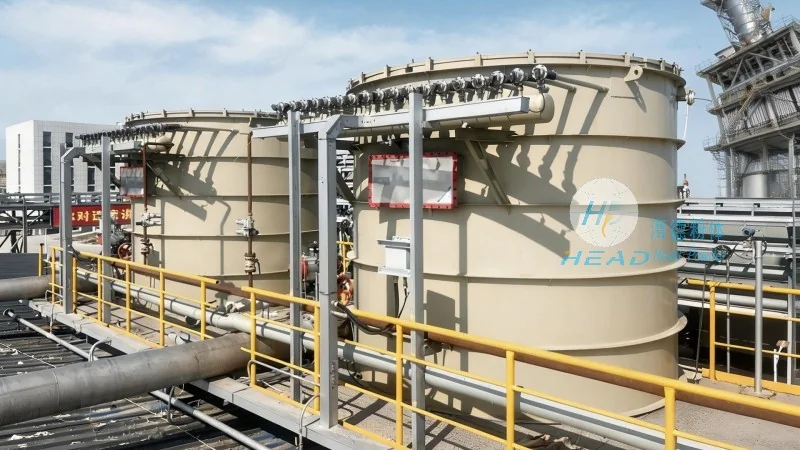
HeadPowder Engineering: Expertise in Pneumatic Conveying Solutions
Shandong HeadPowder Engineering Co., Ltd., a leading provider of bulk material handling solutions, specializes in designing and implementing custom pneumatic conveying systems tailored to the unique needs of industries handling pearl sand and other fine materials. With years of experience in the field, the company has developed a deep understanding of the challenges associated with transporting abrasive and fine materials, allowing them to engineer systems that maximize efficiency while minimizing operational costs. HeadPowder's team of engineers works closely with clients to assess their specific material characteristics, plant layout, and operational requirements, ensuring that the final solution is optimized for performance, reliability, and cost-effectiveness.
Customized Pneumatic Conveying Systems for Pearl Sand Handling
HeadPowder offers a range of pneumatic conveying solutions, including positive pressure, negative pressure, and hybrid systems, each designed to address specific material and application requirements. For pearl sand, a positive pressure system is often preferred due to its ability to handle fine particles and maintain consistent flow rates. The system typically uses a blower to generate high-pressure air, which draws material from the hopper and transports it through the pipeline to the receiver. This approach ensures that the material is conveyed efficiently without the risk of clogging or blockages, which can occur in negative pressure systems when handling very fine or abrasive materials. Additionally, HeadPowder's systems incorporate advanced features such as material feeders, air filtration units, and pressure sensors to ensure smooth operation and optimal performance.
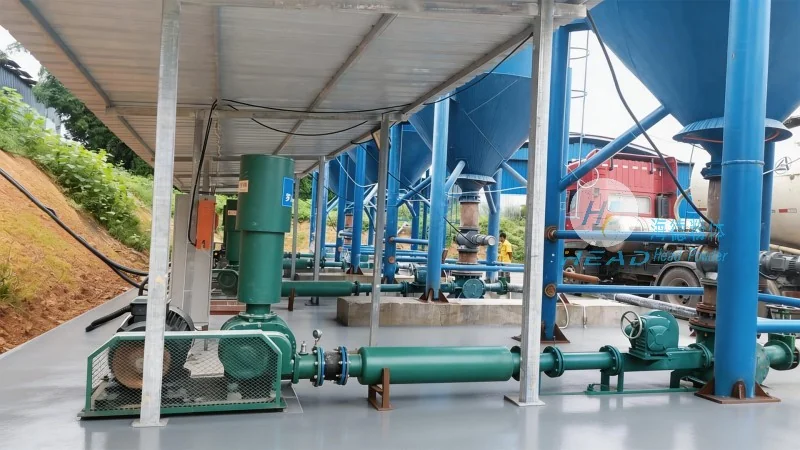
Benefits for Industries Using Pearl Sand
The implementation of pneumatic conveying systems by industries using pearl sand brings numerous benefits beyond just efficient transport. For foundries, the consistent delivery of sand to molding equipment ensures uniform casting quality, reducing defects and improving product yield. In ceramics production, the precise control over sand flow helps maintain the desired particle size distribution, which is critical for achieving the right texture and strength in final products. Additionally, the reduced maintenance requirements and lower energy consumption of pneumatic systems contribute to overall cost savings, allowing companies to allocate resources more effectively. By partnering with HeadPowder Engineering, industries can leverage the expertise and technology needed to optimize their pearl sand handling processes and enhance their operational performance.




