Algae powder, a valuable natural resource, is widely used in various industries such as food, cosmetics, and pharmaceuticals. The efficient and safe handling of this fine powder is crucial for maintaining product quality and operational efficiency. This article explores the types of material handling equipment used for algae powder and delves into the design principles that ensure optimal performance.
Introduction to Algae Powder Material Handling Equipment
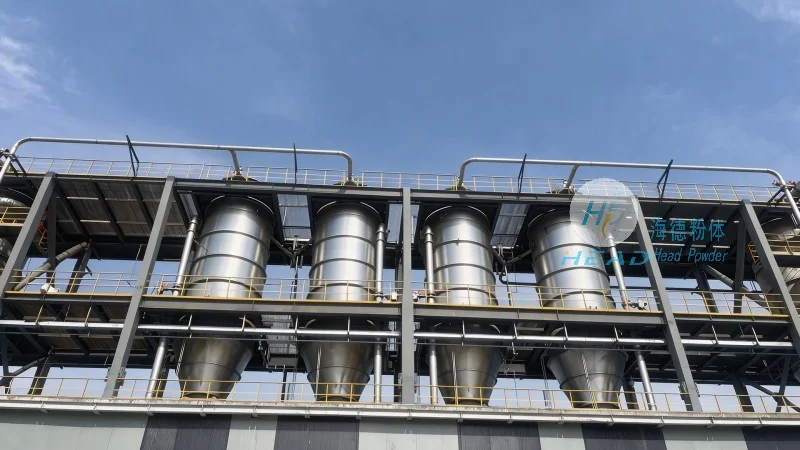
Algae powder, due to its fine particle size and hygroscopic nature, requires specialized equipment for transport and processing. Traditional methods like manual handling or basic conveyor systems often lead to issues such as dust generation, caking, and loss of product quality. Therefore, advanced material handling equipment is essential to address these challenges. The equipment typically includes conveyors, feeders, and storage systems designed to handle the unique properties of algae powder.
Key Components and Their Functions
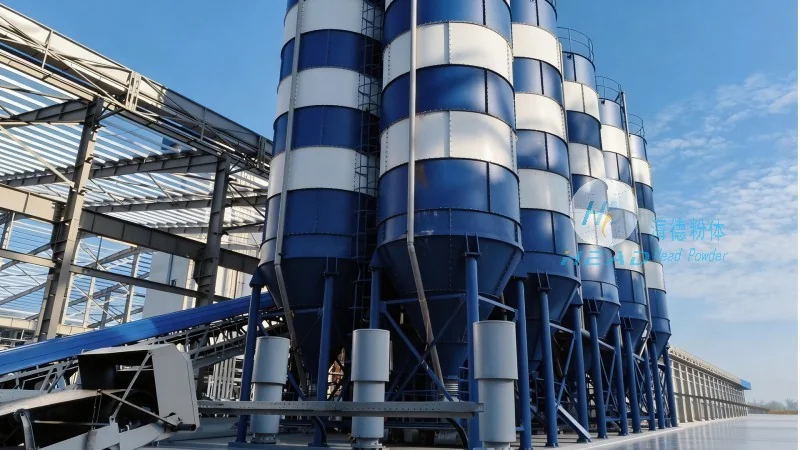
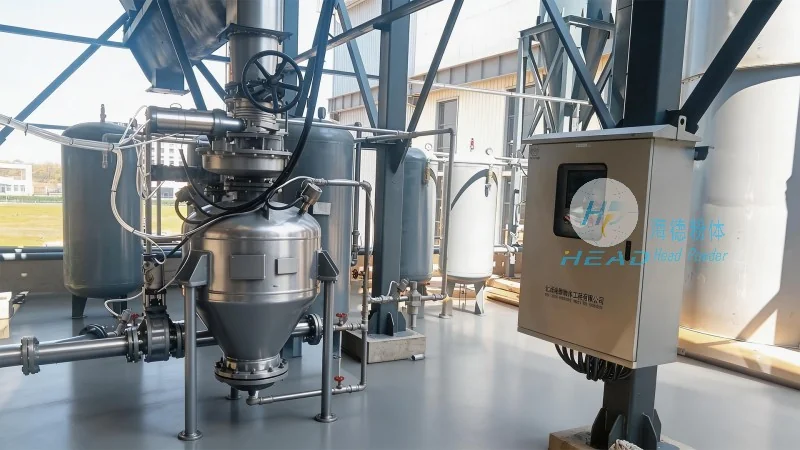
The core components of algae powder material handling systems include bulk material conveyors, screw feeders, and pneumatic transport systems. Bulk conveyors, such as belt conveyors or chain conveyors, are commonly used for horizontal or slight incline transport. Screw feeders, with their rotating screws, provide controlled and uniform feeding of the powder, preventing overloading and ensuring consistent flow rates. Pneumatic transport systems, using air pressure to move the powder through pipes, are ideal for long-distance or vertical transport, minimizing dust exposure and product contamination.
Design Principles for Optimal Performance
The design of algae powder material handling equipment is guided by several key principles to ensure efficiency, safety, and product integrity. First, the equipment must be constructed from materials that are resistant to corrosion and chemical reactions, as algae powder may contain moisture and acids. Stainless steel or food-grade plastics are commonly used for construction to prevent contamination. Second, the design must minimize friction and abrasion to avoid particle degradation and caking. Smooth surfaces and appropriate material selection for components like hoppers and chutes are critical. Third, the system must incorporate dust control measures, such as sealed enclosures and filtration systems, to protect both the environment and personnel from airborne particles. Finally, the equipment should allow for easy cleaning and maintenance to maintain hygiene standards, which is vital in industries like food and cosmetics.
Company Overview: Shandong HeadPowder Engineering Co., Ltd.
Shandong HeadPowder Engineering Co., Ltd., a leading manufacturer in the field, specializes in the design and production of advanced material handling equipment tailored for various powder applications, including algae powder. The company, based in China, leverages years of industry experience to develop customized solutions that meet the specific needs of clients. With a focus on quality and innovation, HeadPowder provides equipment that enhances operational efficiency while ensuring product safety and compliance with industry standards.
Conclusion
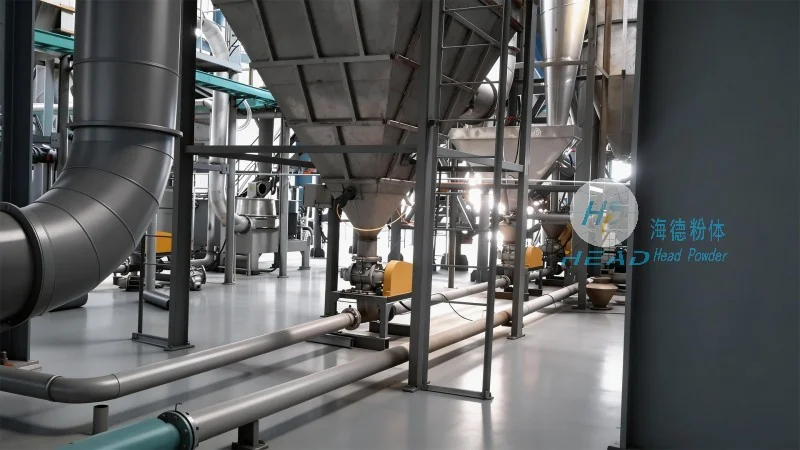
In conclusion, algae powder material handling equipment plays a vital role in the efficient processing of this valuable resource. The design principles, including material selection, dust control, and maintenance considerations, are crucial for achieving optimal performance. Companies like Shandong HeadPowder Engineering Co., Ltd. continue to advance the technology, providing reliable solutions that support the growth of industries relying on algae powder. By understanding the unique properties of algae powder and applying appropriate design principles, operators can ensure safe, efficient, and cost-effective material handling processes.




