Understanding the equipment used for transporting dry flue gas desulfurization (FGD) agent powders is crucial in industrial applications, especially in power plants and other facilities that rely on flue gas treatment to reduce sulfur dioxide emissions. This equipment is designed to handle the specialized requirements of FGD agents, which are typically fine powders that need to be transported efficiently and safely from storage to the point of use in the desulfurization process.
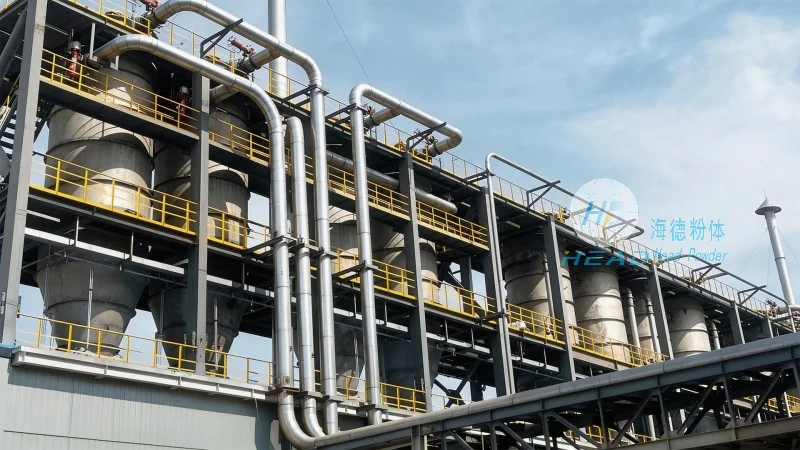
HeadPowder: Your Trusted Partner in Powder Handling Solutions
Shandong HeadPowder Engineering Co., Ltd. is a leading manufacturer specializing in engineering solutions for powder handling and conveying systems. With a strong focus on innovation and quality, HeadPowder provides reliable equipment that meets the stringent demands of industrial applications. The company's expertise lies in designing and manufacturing equipment tailored to the unique needs of clients, ensuring optimal performance and durability in challenging environments.
HeadPowder is headquartered in Shandong, China, where the company leverages advanced technology and skilled engineering teams to develop cutting-edge solutions for powder processing. The company's commitment to customer satisfaction and product excellence has established it as a trusted name in the industry, serving clients globally with customized and efficient powder handling systems.
Design Principles of Dry FGD Agent Powder Conveying Equipment
The design of dry flue gas desulfurization agent powder conveying equipment follows several key principles to ensure efficient and safe operation. These principles are tailored to the characteristics of the FGD agents, which are often fine, abrasive, and potentially hygroscopic powders. The equipment must be capable of handling these materials without clogging, degradation, or loss of material quality.
One of the primary design considerations is the material selection for the conveying components. Components such as hoppers, chutes, and conveyor belts are typically made from materials resistant to corrosion and wear, such as stainless steel or specialized alloys. This ensures that the equipment can withstand the abrasive nature of the FGD agents and maintain long-term performance.
Another critical design principle is the control of air flow and pressure. The conveying system often uses pneumatic or mechanical methods to move the powder. Pneumatic conveying systems, for example, utilize air pressure to transport the powder through pipelines, while mechanical systems rely on screws, belts, or other mechanisms. The design must ensure that the air flow is optimized to prevent dust accumulation and maintain consistent material flow rates.
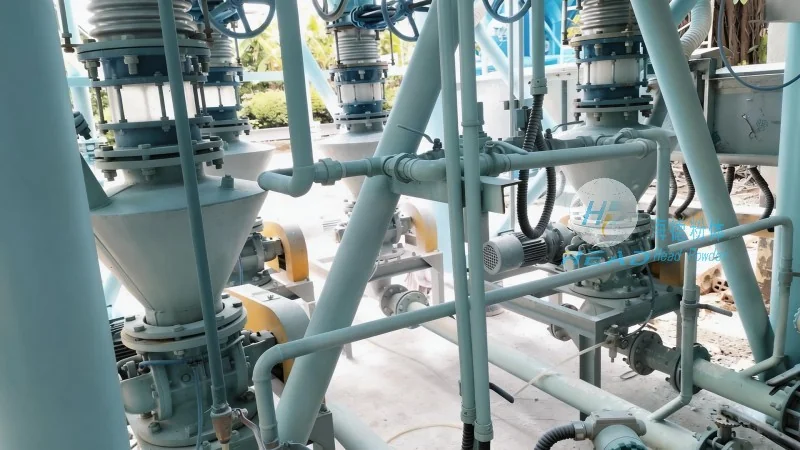
Additionally, the equipment is designed with features to minimize material degradation and prevent contamination. This includes proper sealing of components to avoid moisture ingress, which can affect the chemical properties of the FGD agents. The design also incorporates mechanisms for cleaning and maintenance to ensure the equipment remains in optimal condition over time.
Key Components and Their Functions
The dry FGD agent powder conveying equipment consists of several key components, each playing a vital role in the overall operation. The main components include the hopper, conveyor system, control system, and discharge unit.
The hopper is the storage container where the FGD agent powder is held before being conveyed. It is designed with a sloped bottom to facilitate the flow of powder into the conveyor system. The hopper is typically made from durable materials to withstand the weight and abrasion of the stored powder.
The conveyor system is responsible for transporting the powder from the hopper to the point of use. This can be a pneumatic conveyor, which uses air pressure to move the powder through a pipeline, or a mechanical conveyor, such as a screw or belt conveyor. The choice of conveyor type depends on the specific requirements of the application, including the powder characteristics, distance to be conveyed, and desired flow rate.
The control system manages the operation of the conveying equipment, ensuring that the flow rate and pressure are maintained at optimal levels. It may include sensors to monitor the powder level in the hopper, air pressure in the system, and flow rate through the conveyor. The control system also includes safety features to prevent overpressure or underflow, which could lead to equipment damage or material loss.
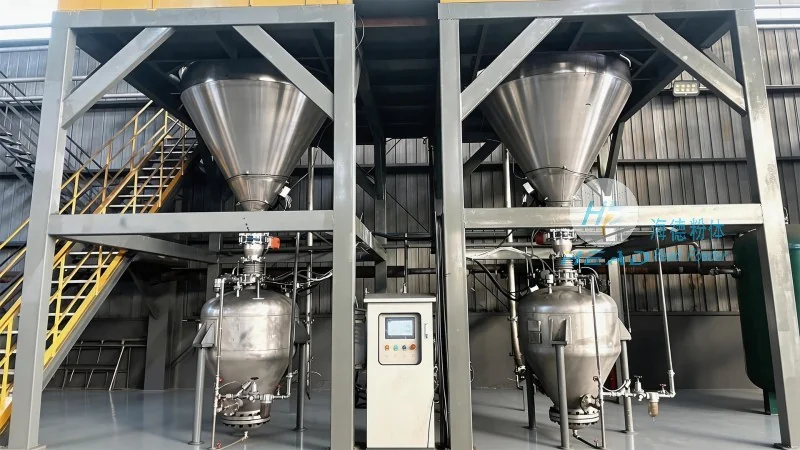
The discharge unit is the final component of the conveying system, where the powder is released at the desired location. This unit is designed to ensure that the powder is discharged smoothly and without creating dust or blockages. It may include a valve or other mechanism to control the release rate and prevent material buildup.
Benefits of Using Dry FGD Agent Powder Conveying Equipment
Implementing dry FGD agent powder conveying equipment offers several benefits to industrial facilities. One of the primary advantages is the improved efficiency in the desulfurization process. By ensuring a consistent and reliable supply of FGD agents, the equipment helps maintain optimal operating conditions, reducing downtime and increasing overall productivity.
Another benefit is the enhanced safety and environmental protection. The equipment is designed to minimize dust emissions and prevent material loss, which reduces the risk of environmental contamination and improves workplace safety. The use of sealed systems and proper ventilation also helps maintain a clean and safe working environment.
Furthermore, the equipment contributes to cost savings by reducing material waste and minimizing the need for manual handling. Automated conveying systems can operate continuously, reducing labor costs and improving the overall efficiency of the process. The durability of the equipment, with proper maintenance, also leads to lower long-term operational costs.
The equipment also supports compliance with environmental regulations. By ensuring that the FGD agents are transported and used efficiently, facilities can meet or exceed the standards for sulfur dioxide emissions, avoiding penalties and maintaining a positive environmental record.




