When it comes to the efficient and reliable transportation of cement and other bulk materials in industrial settings, specialized equipment plays a crucial role. Cement material handling equipment is engineered to ensure that raw materials and finished products are moved safely, efficiently, and with minimal loss. This equipment is essential for optimizing production processes in cement plants, construction sites, and related industries. Understanding what these systems are and how they are designed is key to appreciating their impact on operational efficiency.
Cement Material Handling Equipment: An Overview
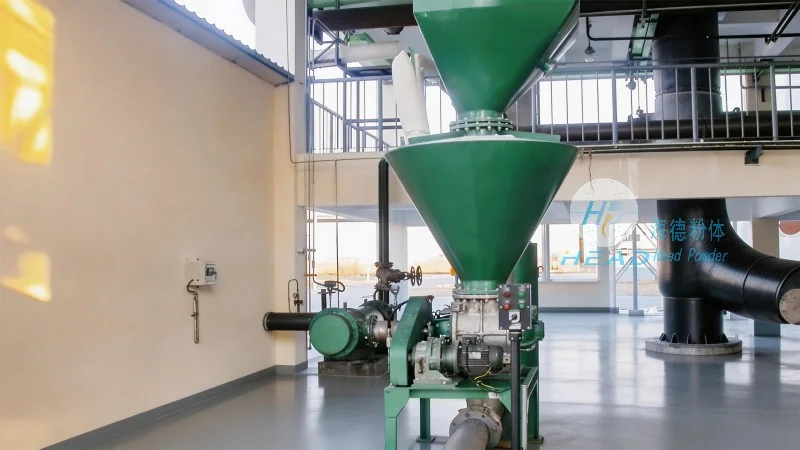
Cement material handling equipment encompasses a range of machinery and systems designed to move, store, and manage cement and related bulk materials. These systems are integral to the cement production process, from raw material handling to finished product distribution. The primary goal of such equipment is to enhance productivity, reduce labor costs, and improve overall safety in material handling operations. Common types of cement material handling equipment include conveyors, elevators, silos, and storage systems. Each component is carefully selected and integrated to form a cohesive material handling solution tailored to the specific needs of a cement facility.
Design Principles of Cement Material Handling Equipment
The design of cement material handling equipment follows several fundamental principles aimed at maximizing performance, durability, and safety. First, the equipment must be constructed from materials that can withstand the abrasive nature of cement and other bulk materials. This often involves the use of high-strength steel, corrosion-resistant coatings, and specialized liners to protect against wear and tear. Second, the design prioritizes efficiency in material flow, minimizing bottlenecks and ensuring smooth transitions between different stages of the production process. This includes optimizing the layout of conveyor systems, elevators, and storage silos to reduce the distance materials need to travel and the number of handling steps required. Third, safety is a paramount consideration in the design. Equipment is equipped with features such as emergency stop buttons, overload protection, and proper ventilation to prevent accidents and ensure the well-being of operators. Additionally, the design incorporates maintenance-friendly components, allowing for easy access to parts for inspection and repair, which helps in reducing downtime and extending the equipment's service life.
Key Components and Their Functions
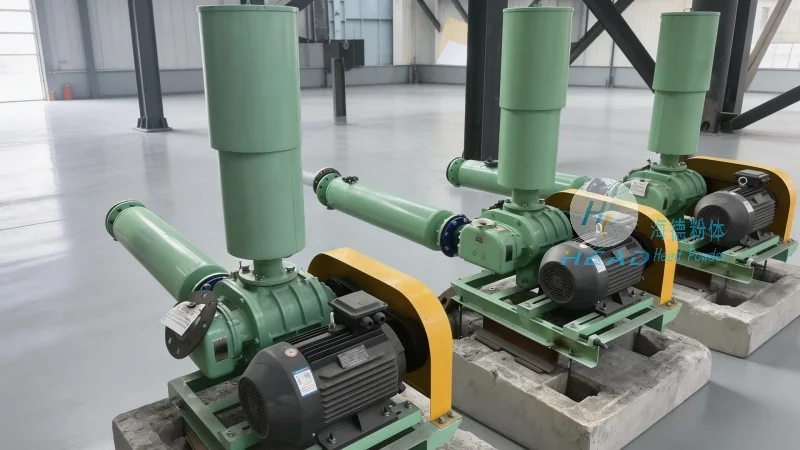
At the core of cement material handling systems are several key components that work in tandem to achieve effective material transport. Conveyors, for instance, are widely used for horizontal and inclined movement of bulk materials. Belt conveyors, screw conveyors, and chain conveyors are common types, each suited to different material characteristics and operational requirements. Elevators, such as bucket elevators or vertical screw conveyors, are essential for vertical material transport, often connecting the ground level to higher storage silos. Silos and storage tanks are critical for storing large quantities of cement, providing a controlled environment that prevents moisture absorption and material degradation. The design of these storage systems includes features like aeration to maintain material quality and prevent caking. Additionally, feeding and discharge mechanisms are integrated to ensure precise control over the flow rate of materials, preventing overloading or underloading of downstream equipment.
Applications in Cement Production
Cement material handling equipment is utilized in various stages of the cement production process. In the raw material handling phase, equipment such as feeders and conveyors transport limestone, clay, and other raw materials to the grinding mills. During the clinker production stage, conveyors move clinker from the kiln to the storage silos. Finally, in the finishing and packaging stage, equipment is used to transport finished cement to storage facilities or loading areas for distribution. The efficiency of these handling systems directly impacts the overall throughput of the cement plant, making them a critical investment for manufacturers seeking to enhance productivity and reduce operational costs.
Advantages of Using Specialized Cement Handling Equipment
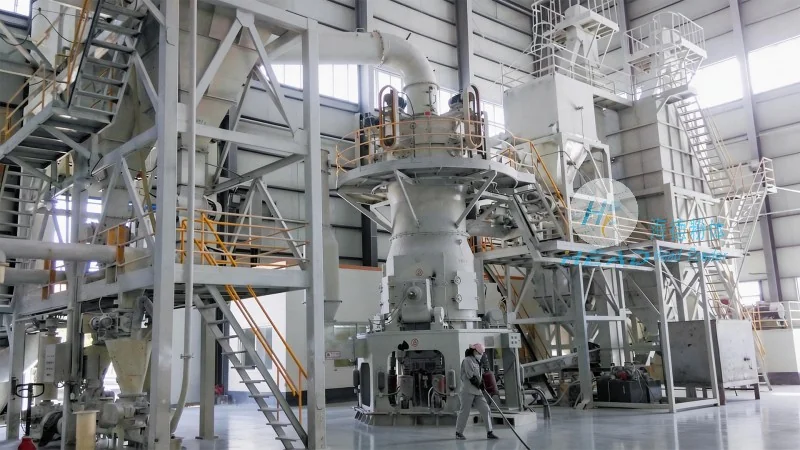
Implementing specialized cement material handling equipment offers numerous advantages over traditional manual or less efficient methods. First, it significantly increases the speed and volume of material transport, allowing cement plants to meet higher production demands. Second, the equipment reduces labor costs by automating the handling process, minimizing the need for manual labor in hazardous environments. Third, the design of these systems minimizes material loss and contamination, ensuring that the quality of the cement remains consistent. Fourth, the equipment enhances safety by reducing the risk of accidents associated with manual handling of heavy or abrasive materials. Finally, the durability and maintenance-friendly design of modern cement handling equipment result in lower long-term operational costs and extended service life.
Conclusion
Cement material handling equipment is a vital component of modern cement production, designed to optimize material transport, enhance operational efficiency, and ensure safety. The design principles behind these systems focus on durability, efficiency, and safety, incorporating high-quality materials and advanced engineering solutions. As the cement industry continues to evolve, the importance of reliable and efficient material handling equipment remains paramount. Companies like Shandong HeadPowder Engineering Co., Ltd. specialize in providing tailored cement material handling solutions that meet the specific needs of their clients, helping to improve productivity and reduce costs in cement production and related industries.




