For industrial applications that require precise and clean material handling, the small bag dust-free feeding station material handling system has emerged as a critical solution. This system is designed to efficiently and safely transfer bulk materials from sealed bags into processing equipment while maintaining a controlled, dust-free environment. Understanding its functionality and the underlying design principles is essential for optimizing material flow in various manufacturing and processing industries.
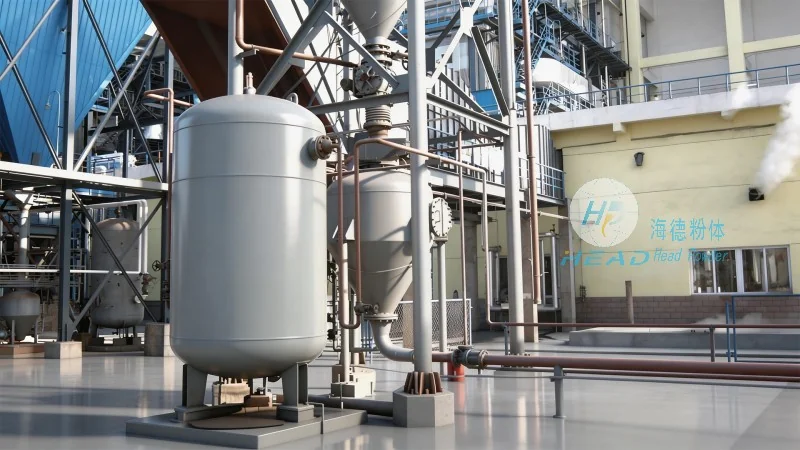
Introduction to Small Bag Dust-Free Feeding Stations
The small bag dust-free feeding station, often referred to as a bag dump station or bag unloading system, is a specialized piece of equipment used in powder and bulk material handling. Its primary purpose is to open sealed bags, extract the contents, and transfer them to a downstream process or storage system without generating excessive dust or contamination. This system is particularly valuable in industries such as pharmaceuticals, food processing, chemicals, and electronics, where product purity and environmental safety are paramount.
About HeadPowder: A Leading Provider of Material Handling Solutions
HeadPowder, or Shandong HeadPowder Engineering Co., Ltd., is a reputable company based in Shandong, China, specializing in the design, manufacturing, and integration of advanced material handling systems. With a strong focus on innovation and customer-centric solutions, HeadPowder has established itself as a trusted partner for businesses seeking reliable and efficient material handling solutions. The company's expertise lies in creating customized systems that meet specific operational requirements, ensuring optimal performance and compliance with industry standards.
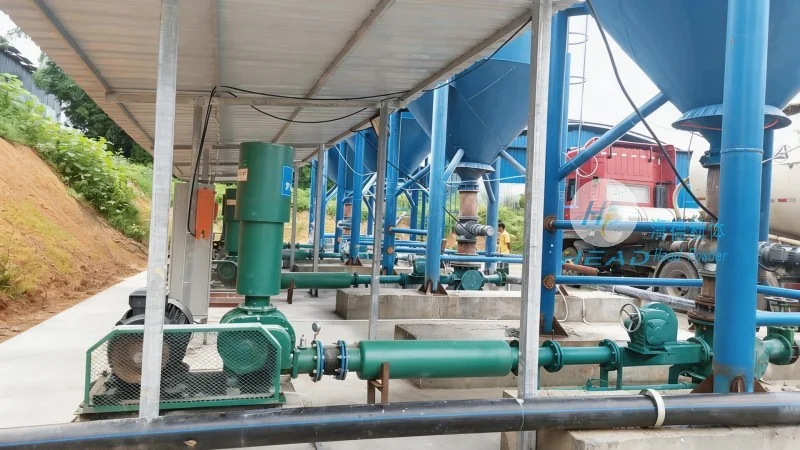
Key Components and Design Principles of the Dust-Free Feeding Station
The design of a small bag dust-free feeding station is centered around several key principles to ensure effective material transfer and environmental control. The system typically includes a sealed enclosure to contain dust, an opening mechanism for the bag, a material transfer mechanism (such as a conveyor or auger), and a filtration system to capture and remove airborne particles. The enclosure is constructed from materials that are resistant to corrosion and easy to clean, often featuring smooth surfaces to prevent material buildup. The opening mechanism may involve a cutting or tearing action to access the bag contents, followed by a vacuum or pressure system to draw the material into the transfer path.
One of the critical design principles is the use of a dust containment hood that directs the material flow into the transfer system, minimizing the spread of dust into the surrounding environment. The hood is often equipped with a filter system, such as a HEPA or bag filter, to capture fine particles and ensure that the air discharged from the system is clean. Additionally, the system may include a bag emptying mechanism, such as a vibratory feeder or a screw conveyor, to ensure that all material is transferred from the bag and into the downstream process. The design also considers the need for easy maintenance and cleaning, with access panels and removable components that allow for thorough sanitation and inspection.
How the Material Handling System Operates
The operation of a small bag dust-free feeding station involves a series of coordinated steps to ensure efficient and safe material transfer. The process typically begins with the placement of a sealed bag into the station's opening area. The system then activates the opening mechanism, which may involve cutting the bag's seal or tearing the top, depending on the bag type. Once the bag is opened, the material is drawn into the transfer system through a vacuum or pressure differential. The material is then conveyed to a storage hopper or directly to the processing equipment via a conveyor or auger system.
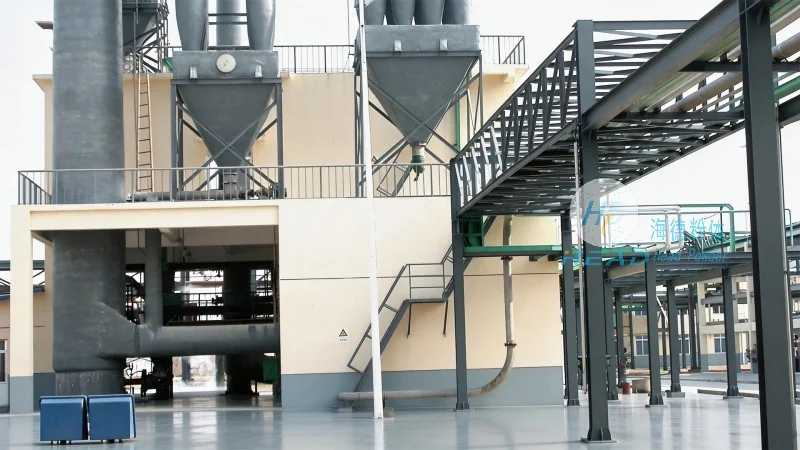
During the transfer process, the dust containment hood captures any airborne particles, directing them into the filtration system. The filtered air is then released back into the environment, while the collected dust is either collected in a waste container or processed for disposal. The system is designed to operate continuously, with the ability to handle multiple bags in succession, reducing downtime and increasing overall productivity. The control system, often integrated with the equipment, allows for easy operation and monitoring, ensuring that the process runs smoothly and efficiently.
Advantages and Applications of the Small Bag Dust-Free Feeding Station
The small bag dust-free feeding station offers several advantages that make it an ideal solution for industries requiring clean and efficient material handling. One of the primary benefits is the ability to maintain a dust-free environment, which is crucial for applications where product purity and operator safety are critical. The system reduces the risk of dust contamination, minimizing the need for additional cleaning and quality control measures. Additionally, the enclosed design protects operators from exposure to hazardous materials and reduces the risk of dust-related health issues.
Another advantage is the system's ability to handle a wide range of bag sizes and materials, including polyethylene, paper, and composite bags. The flexible design allows for customization to meet specific operational needs, such as handling different bulk densities or material flow rates. The system is also designed for easy integration with existing processing lines, reducing the need for extensive modifications to the facility.
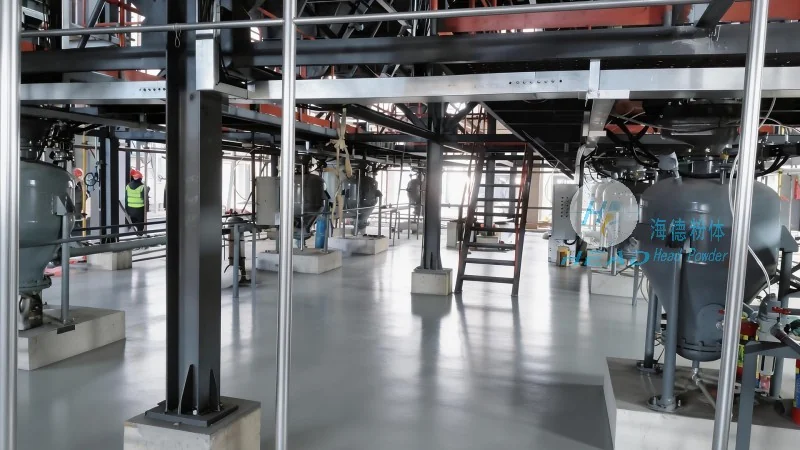
The applications of the small bag dust-free feeding station are diverse and include pharmaceutical manufacturing, where the system is used to handle active pharmaceutical ingredients (APIs) and excipients; food processing, where it is used to handle ingredients like flour, sugar, and spices; chemical processing, where it is used to handle powders and granules; and electronics manufacturing, where it is used to handle components and materials that require high purity. The system's ability to maintain a controlled environment makes it suitable for applications where even small amounts of contamination can have significant impacts on product quality and performance.
Conclusion: The Importance of a Well-Designed Material Handling System
In conclusion, the small bag dust-free feeding station material handling system is a vital component in modern industrial operations, providing a reliable and efficient means of transferring bulk materials while maintaining a clean and safe environment. The design principles, including dust containment, material transfer mechanisms, and filtration systems, are critical to the system's effectiveness and performance. Companies like HeadPowder play a crucial role in providing these advanced systems, helping businesses optimize their material handling processes and meet industry standards. By investing in a well-designed dust-free feeding station, industries can improve product quality, enhance operational efficiency, and ensure compliance with regulatory requirements.




