What Are Food Pneumatic Conveying Systems? Understanding Their Design Principles
Release time:2026-09-14 10:53:10
name of the company:Shandong Headpowder Engineering Co., Ltd.
telephone:156-6277-7102
contacts:Zhang manager
Food processing industries rely on efficient and hygienic material handling solutions to maintain product quality and operational efficiency. Among the various technologies available, food pneumatic conveying systems have emerged as a preferred choice for transporting bulk food products such as powders, granules, and other particulate materials. These systems utilize air or gas to move materials through a pipeline, offering advantages like contamination control, flexibility, and reduced risk of product degradation. In this article, we explore the fundamental concepts of food pneumatic conveying systems and delve into their design principles to help you understand how these technologies enhance food processing operations.
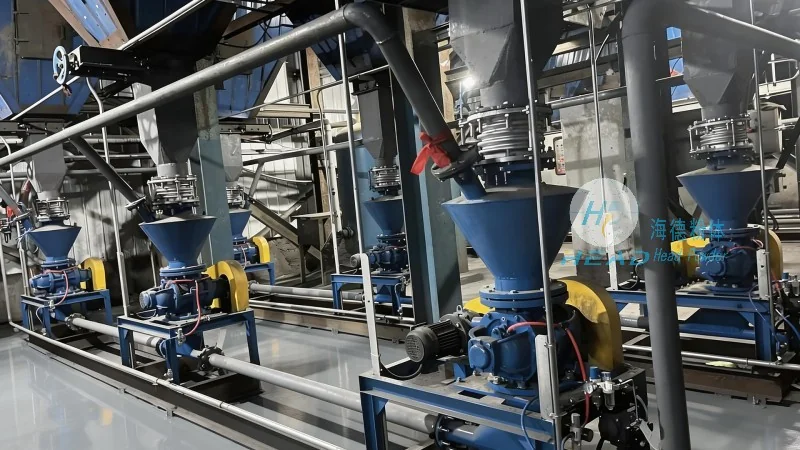
About Shandong HeadPowder Engineering Co., Ltd.
HeadPowder, the professional manufacturer of food pneumatic conveying equipment, is dedicated to providing high-quality solutions tailored to the food industry's specific needs. With a strong presence in Shandong, China, the company combines advanced engineering expertise and adherence to industry standards to deliver reliable and efficient conveying systems. Our products are designed to meet the stringent hygiene and safety requirements of food processing, ensuring that materials are handled with precision and care.
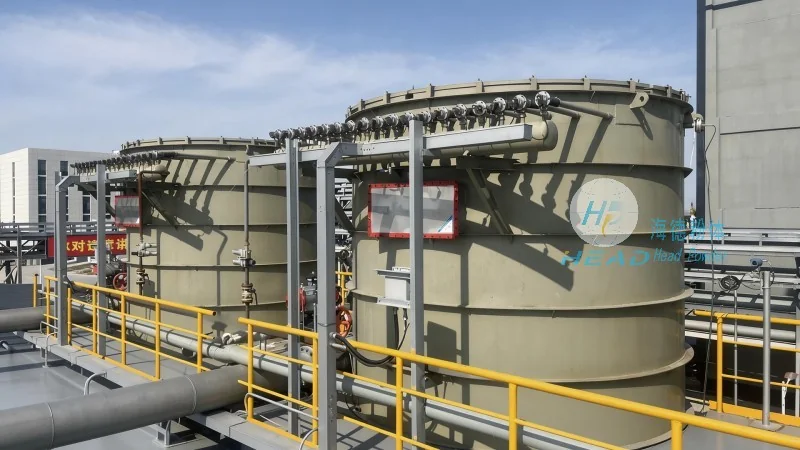
Design Principles of Food Pneumatic Conveying Systems
The design of a food pneumatic conveying system involves several critical components and principles to ensure optimal performance. The primary goal is to create a consistent flow of material through the pipeline while maintaining air pressure and velocity at appropriate levels. Key design elements include the type of conveying system (e.g., pressure or vacuum), the selection of suitable air nozzles and ductwork, and the control of material velocity to prevent product degradation or blockages. The system's design must also consider factors such as material characteristics—like particle size, density, and moisture content—and the required conveying distance and throughput. By carefully balancing these factors, engineers can develop a system that efficiently transports food products while minimizing energy consumption and operational costs.
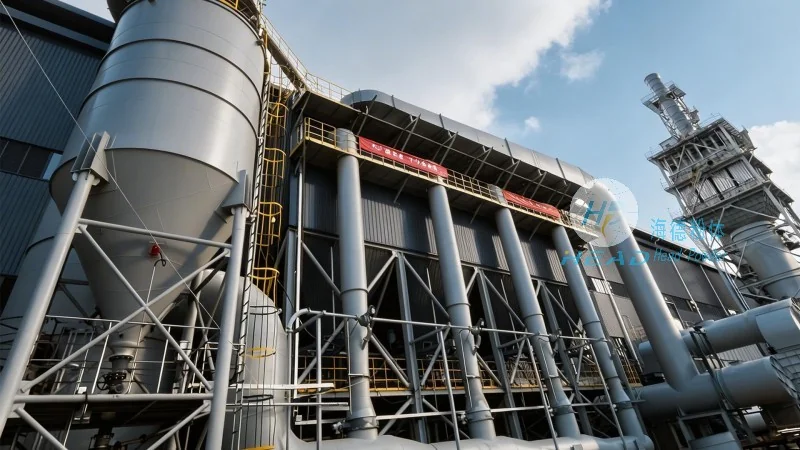
Key Advantages of Food Pneumatic Conveying Systems
Food pneumatic conveying systems offer several advantages that make them ideal for food processing applications. First, they provide excellent contamination control, as the entire system is enclosed, preventing cross-contamination from external sources. Second, these systems are highly flexible, allowing for easy integration into existing production lines and the ability to transport materials to multiple destinations. Third, they reduce labor costs by automating material handling processes and minimizing the need for manual intervention. Additionally, pneumatic conveying systems are capable of handling a wide range of food products, from fine powders to larger granules, making them versatile solutions for diverse food processing needs. The design principles discussed above ensure that these advantages are realized effectively, contributing to improved operational efficiency and product quality.




