When it comes to the efficient and reliable transport of materials within lithium-ion battery production facilities, pneumatic conveying systems have emerged as a critical solution. These systems utilize air or gas to move powders, granules, and other bulk materials, offering advantages such as minimal contamination, enclosed transport, and the ability to handle a wide range of materials. For companies operating in the battery manufacturing sector, understanding the different types of pneumatic conveying systems and their practical applications is essential for optimizing production processes and ensuring product quality.
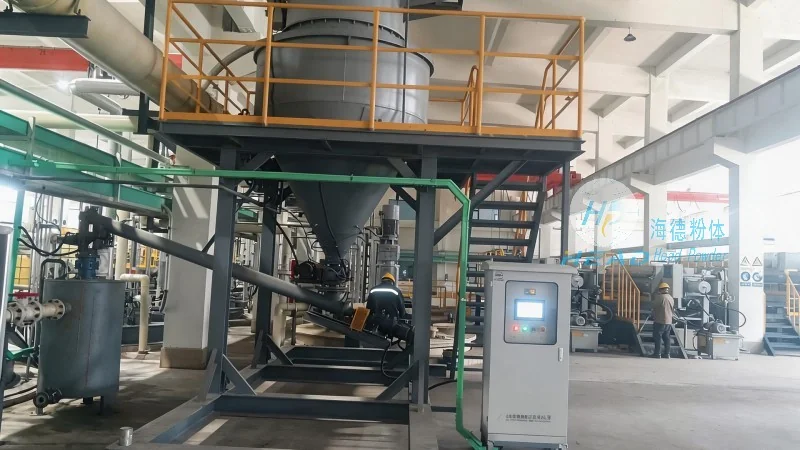
Types of Pneumatic Conveying Systems
There are primarily two main categories of pneumatic conveying systems: pressure and vacuum systems. Each type has distinct characteristics and is suited for different material handling scenarios.
Pressure conveying systems operate by generating positive pressure in the conveying line, typically using a positive displacement blower or a rotary lobe blower. Materials are drawn into the system and propelled forward by the pressurized air. This method is often used for long-distance or high-volume material transport, as it can handle larger quantities of material and maintain consistent flow rates. Pressure systems are particularly effective for transporting materials from a central storage point to multiple processing stations or for moving materials over significant horizontal or vertical distances.
Vacuum conveying systems, on the other hand, create a negative pressure in the conveying line, usually by using a vacuum pump. Materials are drawn into the system by the vacuum and transported to the destination. This type of system is commonly used for shorter distances or when materials need to be collected from multiple points and transported to a central processing area. Vacuum systems are ideal for handling fine powders or materials that are sensitive to pressure, as they can operate at lower pressures and reduce the risk of material degradation.
Practical Applications in Lithium-Ion Battery Manufacturing
In the context of lithium-ion battery production, pneumatic conveying systems are applied in various stages of material handling. One of the most common applications is the transport of raw materials such as lithium carbonate, nickel oxide, cobalt oxide, and manganese dioxide. These materials are often in powder form and require careful handling to prevent contamination and ensure consistent quality. Pneumatic conveying systems can efficiently move these powders from storage silos to mixing and blending equipment, maintaining the integrity of the materials throughout the process.
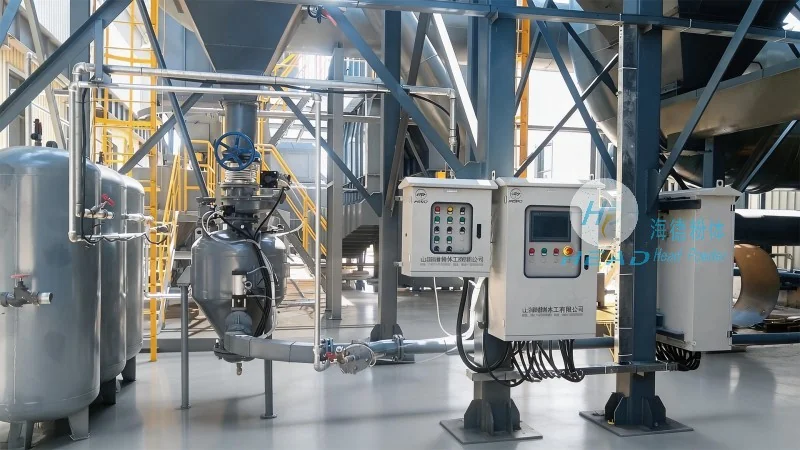
Another critical application is the transport of electrode materials, including active materials and binders. The electrodes are typically made by mixing these powders with solvents and other additives, and then drying and pressing them into sheets. Pneumatic conveying systems are used to move these materials from the mixing and drying stages to the pressing and coating equipment. This ensures that the materials are delivered in a controlled manner, avoiding agglomeration or segregation, which could affect the final battery performance.
Additionally, pneumatic conveying systems play a role in the handling of separators and other components. The separators, which are thin porous membranes, are often transported using vacuum systems to prevent damage or tearing. This careful handling is crucial for maintaining the mechanical integrity of the separators, as any damage could lead to battery failure during operation.
Advantages of Pneumatic Conveying Systems for Battery Material Handling
Several key advantages make pneumatic conveying systems well-suited for lithium-ion battery material handling. First, these systems provide a fully enclosed transport process, which helps to prevent contamination from external sources and maintain the purity of the materials. This is particularly important in battery manufacturing, where even small amounts of impurities can significantly impact battery performance and lifespan.
Second, pneumatic conveying systems offer flexibility in terms of layout and integration with existing production lines. They can be easily adapted to different facility configurations, allowing for the transport of materials between various processing stations without the need for complex mechanical conveyors. This flexibility reduces installation costs and allows for easier modifications as production processes evolve.
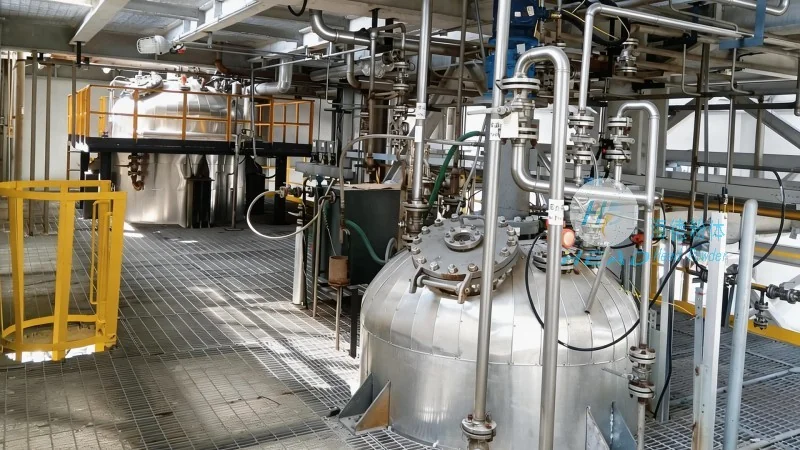
Third, these systems are capable of handling a wide range of materials, from fine powders to larger granules. This versatility is essential in battery manufacturing, where different materials with varying properties need to be processed. Pneumatic conveying systems can accommodate materials with different densities, flow characteristics, and moisture content, ensuring consistent and reliable transport.
Fourth, pneumatic conveying systems are generally low maintenance and have fewer moving parts compared to other bulk material handling systems. This reduces downtime and maintenance costs, making them a cost-effective solution for long-term operation in battery production facilities.
Conclusion and Company Overview
As the demand for lithium-ion batteries continues to grow, the importance of efficient material handling systems cannot be overstated. Pneumatic conveying systems, with their ability to provide enclosed, flexible, and reliable transport of materials, are becoming increasingly vital in battery manufacturing. By understanding the different types of pneumatic conveying systems and their practical applications, battery manufacturers can optimize their production processes, improve product quality, and enhance overall operational efficiency.
Shandong HeadPowder Engineering Co., Ltd., a leading provider of material handling solutions, specializes in designing and manufacturing pneumatic conveying systems tailored to the specific needs of lithium-ion battery manufacturers. With a focus on quality and innovation, the company offers customized solutions that meet the stringent requirements of the battery industry. HeadPowder's expertise in pneumatic conveying technology ensures that battery manufacturers can achieve efficient and reliable material transport, supporting the production of high-performance lithium-ion batteries. The company's headquarters is located in Shandong, China, where it continues to develop advanced solutions for the evolving needs of the battery industry.




