Pneumatic conveying systems are widely used in the cereal processing industry to transport bulk materials like oats, wheat, and other grains from one location to another. These systems rely on the movement of air to transport the material, offering a dust-free and efficient alternative to traditional mechanical conveying methods. Two primary modes of operation dominate this technology: positive pressure and negative pressure systems. Understanding the differences between these modes is crucial for selecting the most suitable solution for specific processing needs.
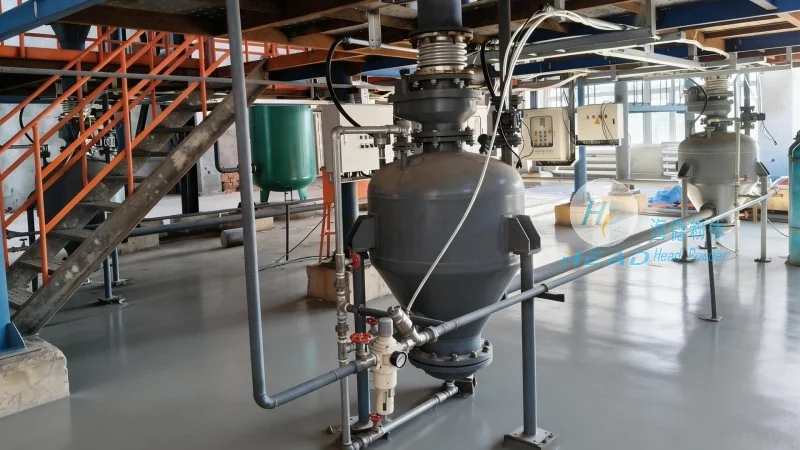
Positive Pressure Pneumatic Conveying Systems
Positive pressure systems, also known as pressure conveying, operate by blowing air into the conveying line, creating a pressure higher than the ambient air. This method is particularly effective for transporting materials over long distances or through complex system layouts. The high pressure ensures that the material is consistently propelled through the pipeline, minimizing the risk of blockages. HeadPowder, a leading engineering company based in Shandong, China, specializes in designing and implementing such systems tailored to the unique requirements of cereal processing facilities.
Key advantages of positive pressure systems include their ability to handle abrasive materials and their suitability for long-distance transport. However, they require robust equipment capable of withstanding higher pressures, which can increase initial investment costs. Additionally, the high air velocity can lead to increased energy consumption, making it essential to optimize system design for efficiency.
Negative Pressure Pneumatic Conveying Systems
Negative pressure systems, or vacuum conveying, work by creating a vacuum in the conveying line, drawing material into the system. This approach is often preferred for shorter transport distances and for handling materials that are sensitive to high air velocities or pressure differentials. The lower pressure environment reduces the risk of material degradation and is particularly useful for transporting delicate cereals that require gentle handling.
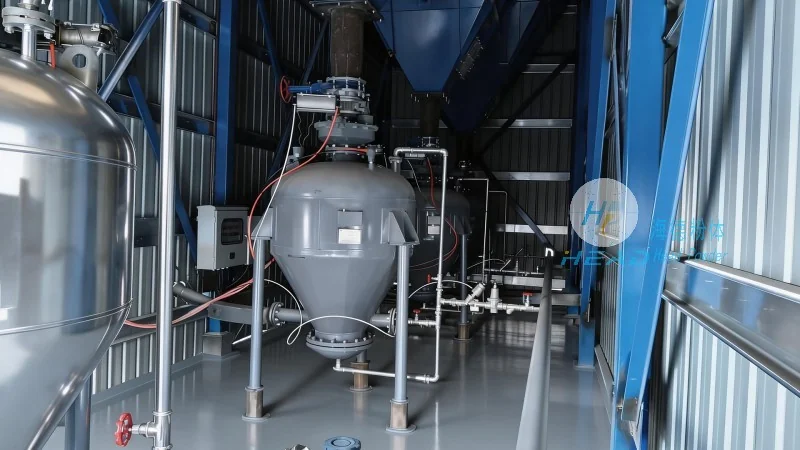
HeadPowder's expertise extends to the design of negative pressure systems, which are often used in applications where material is collected from multiple points and transported to a central processing unit. These systems are typically more energy-efficient for short distances but may face challenges with long-distance transport due to the limitations of vacuum pressure.
Comparison of Positive and Negative Pressure Modes
When deciding between positive and negative pressure pneumatic conveying systems for cereal processing, several factors must be considered. The primary difference lies in the direction of air flow and the resulting pressure dynamics. Positive pressure systems are generally more suitable for long-distance or high-volume transport, while negative pressure systems excel in short-distance, low-volume, or gentle handling applications.
From an operational perspective, positive pressure systems require more powerful blowers and higher maintenance for the conveying line, as the high pressure can cause wear and tear. In contrast, negative pressure systems use less powerful vacuum pumps and are often simpler to maintain, though they may be less effective in handling abrasive or high-volume materials.
Energy consumption is another critical factor. Positive pressure systems typically consume more energy due to the higher air pressure and velocity required for material transport. Negative pressure systems, while more energy-efficient for short distances, may require additional equipment to manage the vacuum and prevent air leakage.
Application Considerations in Cereal Processing
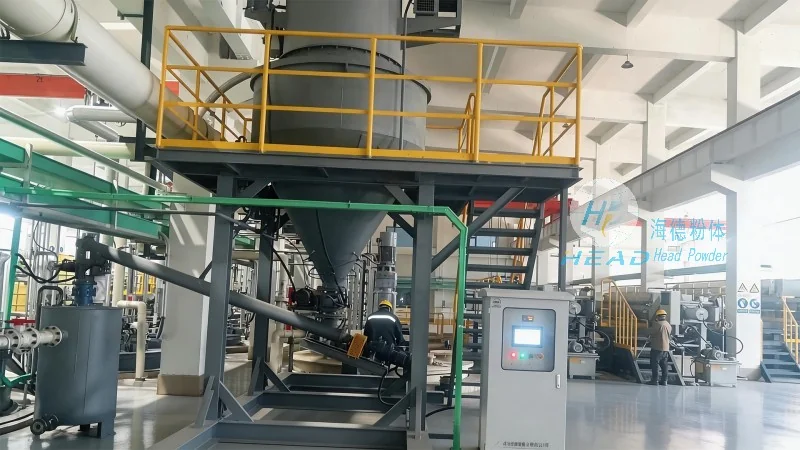
The choice between positive and negative pressure pneumatic conveying systems in cereal processing depends on specific operational requirements. For example, a facility processing large quantities of oats over a distance of several hundred meters might opt for a positive pressure system to ensure consistent material flow. Conversely, a facility handling delicate wheat products over short distances might prefer a negative pressure system to avoid material damage.
HeadPowder's engineering team evaluates each project's unique characteristics, including material properties, transport distance, and system layout, to recommend the most appropriate conveying mode. This tailored approach ensures optimal performance, efficiency, and cost-effectiveness for each client.
Conclusion
Pneumatic conveying technology, whether in positive or negative pressure modes, plays a vital role in modern cereal processing. By understanding the technical differences and operational advantages of each system, processing facilities can select the most suitable solution to enhance productivity, maintain material quality, and reduce operational costs. HeadPowder, with its expertise in engineering and system design, continues to provide innovative solutions that meet the evolving needs of the cereal industry.




