Bentonite, a versatile clay material widely used in various industrial applications such as drilling fluids, foundry sands, and pet food production, often presents unique challenges during transportation. When handled via pneumatic conveying systems, the fine nature of bentonite particles can lead to significant dust leakage, compromising safety, operational efficiency, and environmental compliance. This article explores effective strategies to mitigate dust leakage in pneumatic conveying systems specifically when transporting bentonite, highlighting the expertise of Shandong HeadPowder Engineering Co., Ltd., a leading provider of specialized material handling solutions based in China.
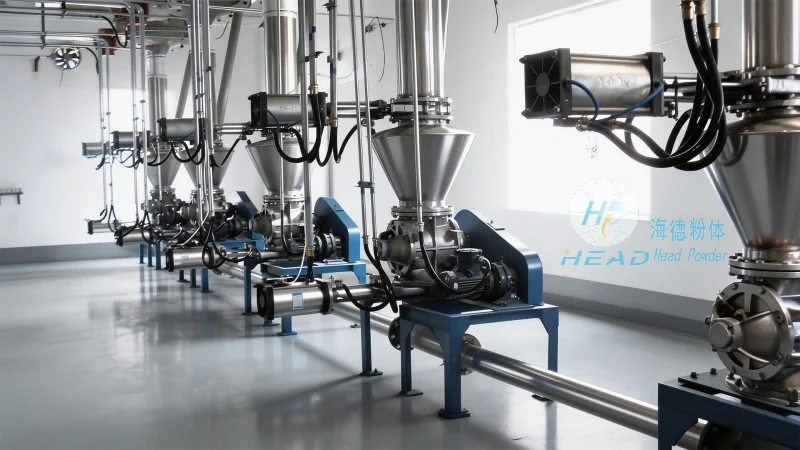
Understanding the Challenges of Bentonite Transportation via Pneumatic Conveying
Bentonite is characterized by its high moisture content and fine particle size, which makes it prone to generating dust during handling. In pneumatic conveying systems, where material is transported through a pipeline under pressure using air or other gases, the risk of dust leakage increases due to the abrasive nature of the particles and the potential for air leakage at joints, valves, and other components. Dust leakage not only poses health hazards to personnel but also leads to material loss, increased maintenance costs, and potential environmental violations. Therefore, implementing robust dust control measures is essential for ensuring safe and efficient bentonite transportation.
Key Strategies for Preventing Dust Leakage in Pneumatic Conveying Systems
Shandong HeadPowder Engineering Co., Ltd. specializes in designing and implementing advanced pneumatic conveying systems tailored to the specific needs of bentonite handling. The company employs several key strategies to prevent dust leakage, including:
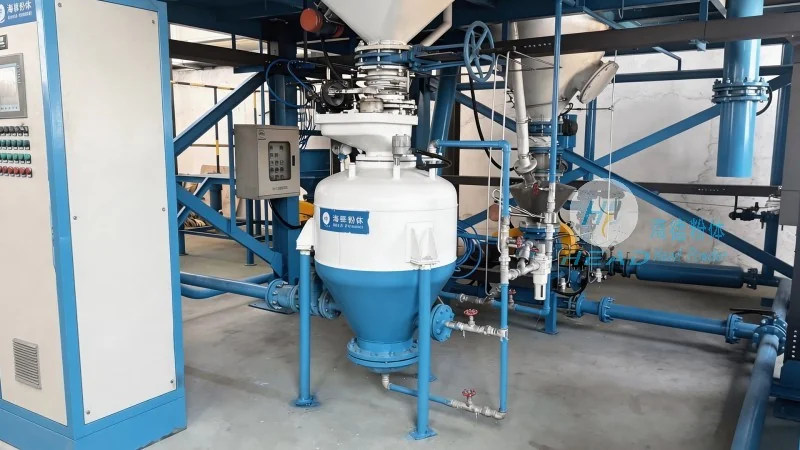
1. Sealed System Design: Implementing a fully sealed pneumatic conveying system with minimal air leakage points. This involves using high-quality, airtight components such as valves, fittings, and pipelines that are specifically designed to handle fine powders like bentonite. The system is engineered to maintain consistent pressure, reducing the likelihood of air escaping and carrying dust particles out of the system.
2. Advanced Filtration and Collection Systems: Incorporating high-efficiency dust collectors and filtration units at strategic points in the conveying line. These systems capture any escaped dust particles, preventing them from entering the environment or contaminating other areas. The use of HEPA filters or baghouse filters ensures that the collected dust is safely contained and can be disposed of or reused as needed.
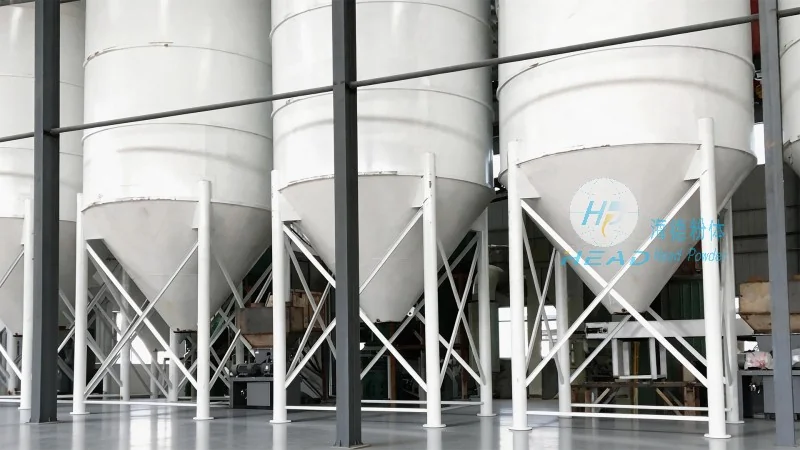
3. Material Handling Equipment Optimization: Utilizing specialized equipment such as rotary valves, feeders, and silos that are designed to minimize material degradation and dust generation. For example, rotary valves with adjustable speed and sealing mechanisms help control the flow of bentonite, reducing the impact on particles and minimizing dust formation. Properly sized and positioned silos and hoppers also prevent material bridging and caking, which can contribute to dust leakage.
4. Regular Maintenance and Monitoring: Establishing a proactive maintenance schedule to inspect and maintain all components of the pneumatic conveying system. Regular checks for air leaks, wear and tear on seals, and the condition of filtration systems are critical to preventing dust leakage over time. Using sensors and monitoring systems to detect changes in pressure or air flow can help identify potential issues before they lead to significant dust leakage.
Benefits of Implementing Effective Dust Control Measures
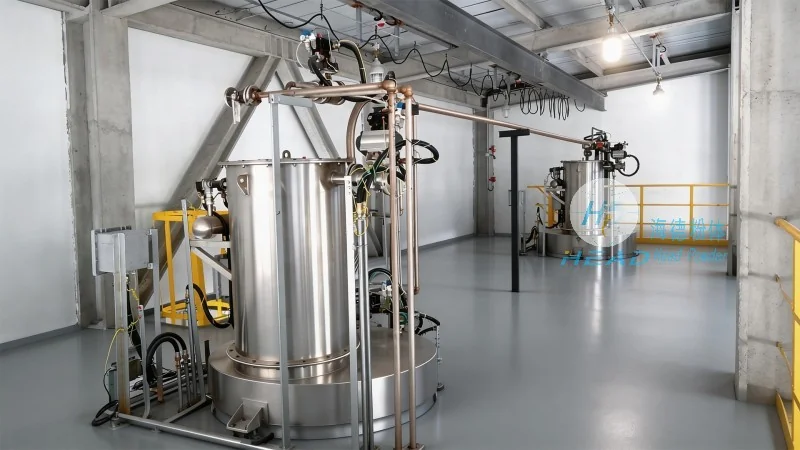
By implementing the strategies outlined above, companies handling bentonite via pneumatic conveying systems can achieve several key benefits. Firstly, improved safety for personnel is achieved by reducing exposure to fine dust particles, which can cause respiratory issues and other health problems. Secondly, operational efficiency is enhanced as material loss is minimized, leading to cost savings and better inventory management. Thirdly, environmental compliance is ensured as dust emissions are controlled, preventing violations of regulations and protecting the surrounding environment. Additionally, the longevity of the pneumatic conveying system is extended through reduced wear and tear on components, resulting in lower maintenance costs and increased system reliability.
Conclusion
Preventing dust leakage in pneumatic conveying systems when transporting bentonite requires a comprehensive approach that addresses system design, equipment selection, and maintenance. Shandong HeadPowder Engineering Co., Ltd. leverages its expertise in material handling to provide customized solutions that meet the unique challenges of bentonite transportation. By adopting sealed system designs, advanced filtration, optimized equipment, and regular monitoring, companies can ensure safe, efficient, and environmentally responsible bentonite handling. The company's commitment to quality and innovation makes it a trusted partner for businesses seeking to enhance their material handling processes and mitigate dust leakage risks.




