For industries dealing with nickel powder, efficient and reliable material handling is crucial to maintaining production efficiency and product quality. Pneumatic conveying technology has emerged as a key solution for transporting nickel powder, offering advantages such as dust-free operation, reduced contamination, and the ability to handle fine powders with precision. This article explores the application and optimization of pneumatic conveying systems specifically designed for nickel powder handling, highlighting the technical aspects and practical benefits for industrial applications.
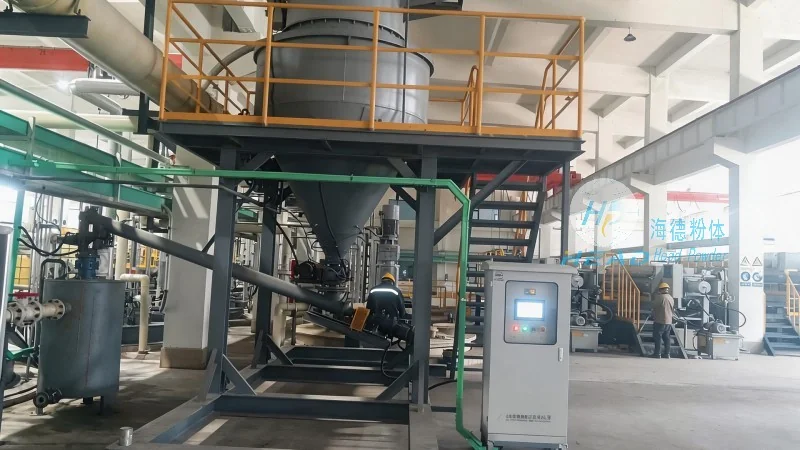
Introduction to Pneumatic Conveying in Nickel Powder Handling
Nickel powder is widely used in various industries, including aerospace, electronics, and chemical manufacturing, due to its excellent corrosion resistance and mechanical properties. However, the handling of nickel powder presents unique challenges, such as the risk of dust explosion, material agglomeration, and the need for precise control over particle flow. Pneumatic conveying systems address these challenges by utilizing air or other gases to transport the powder through a pipeline network. The technology is particularly suitable for nickel powder because it can maintain the powder's integrity while minimizing contamination and ensuring a consistent flow rate.
Key Components of Pneumatic Conveying Systems for Nickel Powder
The effectiveness of a pneumatic conveying system for nickel powder depends on several critical components. These include the feed hopper, which ensures a uniform supply of powder; the air compressor or blower, which generates the necessary pressure to move the powder; the pipeline system, which transports the powder from the source to the destination; and the control valves and regulators, which manage the flow and pressure. Additionally, the system may incorporate features like cyclone separators or filters to separate the powder from the air stream, ensuring that the powder is delivered to the target location without loss or contamination.
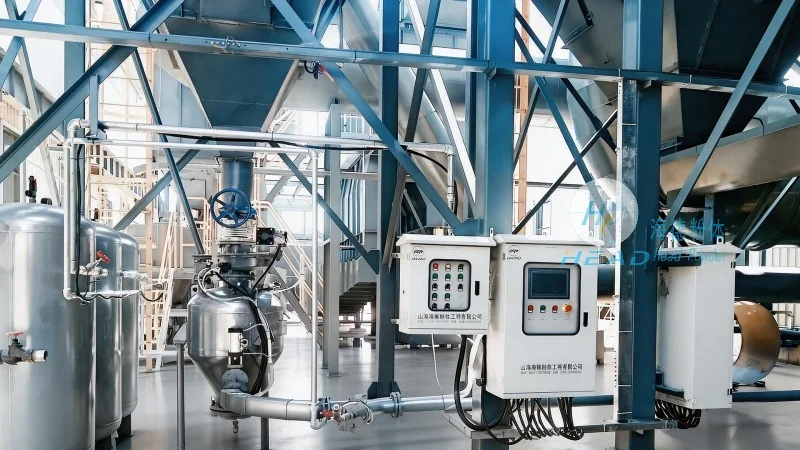
Optimization Strategies for Nickel Powder Pneumatic Conveying
Optimizing the performance of a pneumatic conveying system for nickel powder involves several strategies aimed at maximizing efficiency, minimizing energy consumption, and ensuring long-term reliability. One key approach is the selection of appropriate air velocity and pressure, which must be balanced to prevent particle degradation or system blockages. Another critical factor is the design of the pipeline, including the use of smooth, corrosion-resistant materials to prevent powder buildup and maintain consistent flow. Regular maintenance and monitoring of the system components, such as the air compressor and filters, are also essential to prevent downtime and ensure consistent performance.
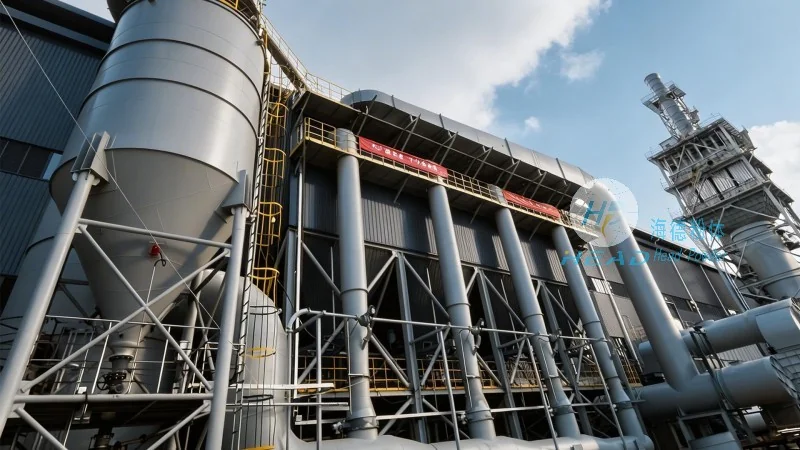
Case Study: Application of Pneumatic Conveying in a Nickel Powder Production Facility
Shandong HeadPowder Engineering Co., Ltd., a leading provider of material handling solutions, has successfully implemented a pneumatic conveying system for a nickel powder production facility. The system was designed to transport nickel powder from the production line to storage silos and packaging areas, replacing traditional methods like bucket elevators and belt conveyors. The implementation resulted in a significant reduction in dust emissions, improved product quality by minimizing contamination, and increased production throughput by reducing material handling time. The system also required less maintenance compared to traditional methods, leading to lower operational costs for the facility.
Conclusion and Future Trends in Nickel Powder Handling
Pneumatic conveying technology continues to be a vital tool for optimizing nickel powder handling in industrial settings. As the demand for nickel powder grows, the need for efficient and reliable material transport systems becomes increasingly important. Advances in system design, such as the use of advanced control systems and corrosion-resistant materials, are expected to further enhance the performance and longevity of pneumatic conveying systems. For industries dealing with nickel powder, investing in a well-designed and optimized pneumatic conveying system is a strategic decision that can lead to improved operational efficiency, reduced costs, and enhanced product quality.




