For industries dealing with mineral particle transport, the efficiency and reliability of pneumatic conveying systems are paramount. A critical challenge in this domain is the prevention of pipeline blockages, which can lead to operational disruptions and increased maintenance costs. Understanding the key design parameters that influence system performance is essential for optimizing mineral particle conveying processes. This article explores effective strategies to prevent pipeline blockages and highlights the critical design elements that contribute to the smooth operation of pneumatic conveying systems for mineral particles.
Understanding the Risks of Pipeline Blockages in Pneumatic Conveying
Pipeline blockages in pneumatic conveying systems can arise from various factors, including the physical properties of the mineral particles, the system's operating conditions, and the design of the conveying equipment. When particles accumulate and form a solid plug within the pipeline, it can cause a significant drop in system pressure, leading to reduced flow rates or complete system shutdown. Such blockages not only halt production but also require costly interventions to clear the obstruction. Therefore, implementing preventive measures and adhering to optimal design parameters is crucial for maintaining the integrity and efficiency of mineral particle conveying operations.
Key Design Parameters for Preventing Pipeline Blockages
Several key design parameters play a vital role in minimizing the risk of pipeline blockages in pneumatic conveying systems. These parameters are tailored to the specific characteristics of the mineral particles being transported and the operational requirements of the system. The primary factors include:
1. System Pressure and Air Velocity: The pressure and air velocity within the conveying pipeline are fundamental to preventing blockages. Higher air velocities help maintain particle suspension and prevent settling, which can lead to accumulation. However, excessive pressure may increase energy consumption and wear on components. The optimal pressure and velocity are determined by the particle size, density, and flowability. For example, fine, low-density particles may require higher air velocities to remain suspended, while larger, denser particles may need higher pressure to ensure proper transport.
2. Particle Characteristics: The physical properties of the mineral particles, such as size distribution, shape, and moisture content, directly impact the risk of blockages. Coarse, irregularly shaped particles are more likely to cause friction and abrasion, potentially leading to blockages if the system is not properly designed. Moisture content is another critical factor, as high moisture levels can cause particles to stick together or adhere to the pipeline walls, increasing the likelihood of blockages. Proper sizing and screening of particles before conveying can help mitigate these risks.
3. Pipeline Diameter and Length: The diameter and length of the conveying pipeline are crucial design elements. A larger diameter reduces the frictional resistance and allows for lower air velocities to maintain particle suspension, thereby minimizing blockage risks. However, excessively long pipelines may require additional pressure boosters or expansion sections to maintain adequate flow. The length-to-diameter ratio is an important consideration, as overly long pipelines can lead to pressure drop and potential blockages. Proper sizing based on the system's capacity and the properties of the mineral particles is essential.
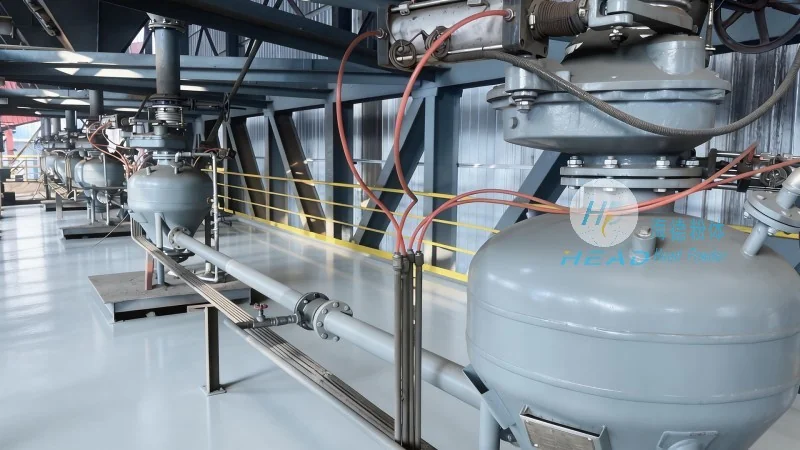
4. Conveying Method Selection: The choice between positive pressure and negative pressure (or vacuum) systems affects the risk of blockages. Positive pressure systems, where air is forced through the pipeline, are generally more effective in preventing blockages due to the continuous flow of air. Negative pressure systems, which draw air and particles into the pipeline, may be more susceptible to blockages if the air flow is insufficient. The selection of the appropriate conveying method depends on the specific application and the characteristics of the mineral particles. For instance, positive pressure systems are commonly used for abrasive or sticky particles, as they provide better control over the flow and reduce the risk of blockages.
Strategies for Implementing Effective Design Parameters
Implementing the above design parameters requires a systematic approach that considers the unique characteristics of the mineral particles and the operational demands of the system. Shandong HeadPowder Engineering Co., Ltd., a leading provider of pneumatic conveying solutions, emphasizes the importance of tailored system design to prevent blockages. The company's expertise lies in customizing conveying systems to meet the specific needs of clients, ensuring optimal performance and reliability.
For example, HeadPowder engineers conduct thorough analyses of particle properties, including size distribution, density, and moisture content, to determine the appropriate system pressure and air velocity. They also consider the pipeline diameter and length, ensuring that the design accommodates the required flow rates while minimizing pressure drop. The selection of the conveying method is based on factors such as particle abrasiveness and stickiness, with positive pressure systems often preferred for challenging mineral types.
Additionally, HeadPowder incorporates advanced features into their systems to enhance blockage prevention. These may include pressure sensors, flow monitors, and automated control systems that detect and respond to potential blockages in real-time. By integrating these technologies, the company ensures that the conveying system operates smoothly and efficiently, reducing the risk of downtime and maintenance costs.
Conclusion: Optimizing Pneumatic Conveying Systems for Mineral Particle Transport
In conclusion, preventing pipeline blockages in pneumatic conveying systems for mineral particles is a multifaceted challenge that requires careful consideration of key design parameters. By optimizing system pressure, air velocity, particle characteristics, pipeline dimensions, and conveying method, operators can significantly reduce the risk of blockages and enhance the overall efficiency of their mineral particle transport processes. Shandong HeadPowder Engineering Co., Ltd. stands as a trusted partner in this endeavor, offering customized solutions and expert guidance to ensure the reliable and cost-effective operation of pneumatic conveying systems. With their focus on tailored design and advanced technology, HeadPowder helps industries maintain smooth and uninterrupted mineral particle transport, supporting their operational goals and long-term success.




