Rice husk powder is a widely used material in various industrial applications, such as fuel, animal feed, and chemical production. However, its unique physical properties, including high moisture content, irregular particle size, and abrasive nature, pose significant challenges when using pneumatic conveying systems for transport. One of the most critical issues in this process is pipeline blockage, which can lead to system downtime, increased maintenance costs, and reduced productivity. To address this problem, understanding the key design parameters of pneumatic conveying systems is essential. This article explores effective strategies to prevent pipeline blockages in rice husk powder handling and highlights the critical design elements that ensure reliable operation.
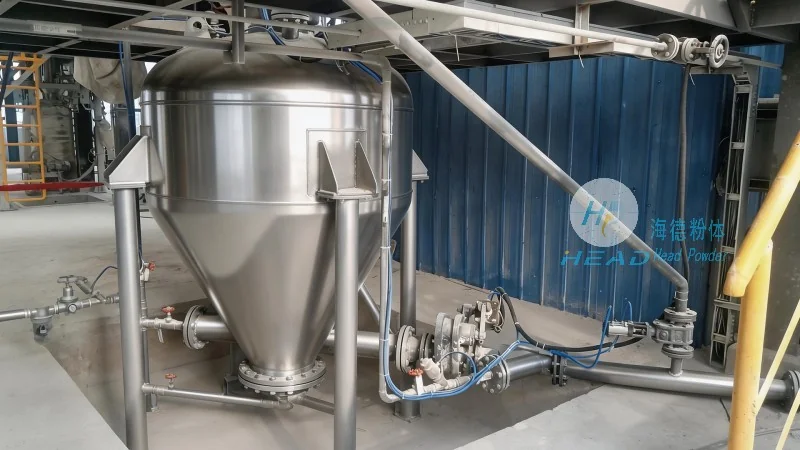
Understanding the Challenges of Rice Husk Powder Conveying
Before delving into solutions, it is crucial to understand why rice husk powder is prone to causing blockages in pneumatic conveying systems. The material's characteristics, such as its tendency to clump or agglomerate, especially when exposed to moisture or temperature fluctuations, can lead to the formation of solid plugs within the pipeline. Additionally, the abrasive nature of the powder can accelerate wear on system components, further contributing to operational issues. These factors make it imperative to implement robust design considerations to mitigate blockage risks.
Key Design Parameters for Preventing Pipeline Blockages
Several key design parameters play a vital role in preventing pipeline blockages during rice husk powder transport. The first parameter is the selection of the appropriate conveying velocity. The velocity must be high enough to maintain the powder in a suspended state but not so high that it causes excessive pressure drops or wear on the system. For rice husk powder, a conveying velocity typically ranging from 20 to 30 meters per second is recommended to ensure efficient transport while minimizing the risk of blockage. Another critical parameter is the air-to-material ratio, which refers to the volume of air used per unit mass of material. An optimal air-to-material ratio is essential to maintain the powder in suspension and prevent agglomeration. For rice husk powder, a ratio of 0.8 to 1.2 is commonly used, depending on the system configuration and material properties.
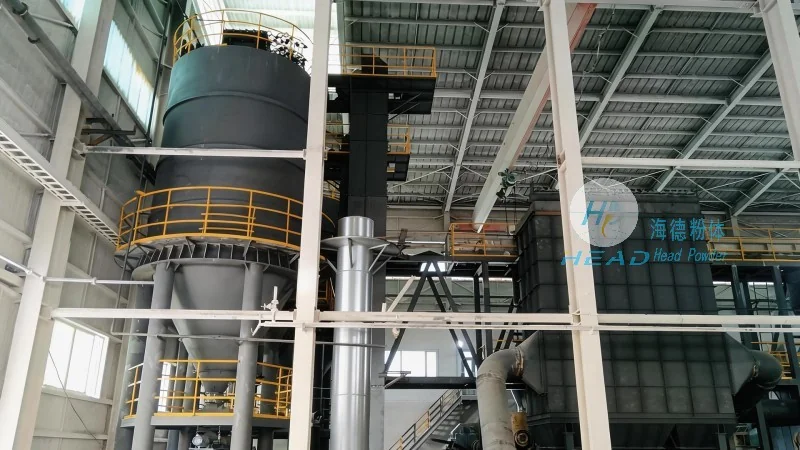
A third key design parameter is the pipeline diameter and length. The diameter of the pipeline should be chosen based on the particle size distribution of the rice husk powder. Larger particles may require a larger diameter to prevent clogging, while smaller particles can be conveyed in smaller pipes. The length of the pipeline also affects the risk of blockage; longer pipelines increase the likelihood of pressure drop and potential blockage, so it is important to design the system with appropriate bends and expansion joints to reduce friction and maintain consistent flow. Furthermore, the use of appropriate materials for the pipeline and components is crucial. Materials such as stainless steel or high-density polyethylene are recommended to withstand the abrasive nature of the powder and resist corrosion.
Additional Strategies to Enhance System Reliability
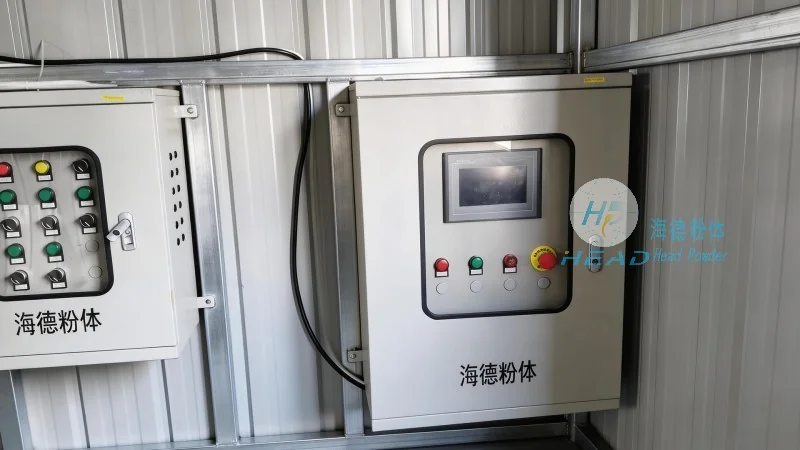
Beyond the design parameters, several operational strategies can be implemented to prevent pipeline blockages. Regular maintenance and cleaning of the system components, such as filters and cyclones, are essential to remove accumulated material and prevent blockage. Additionally, monitoring the system's pressure and flow rates in real-time can help detect potential issues early, allowing for timely intervention. The use of inline mixers or agitators can also help break up agglomerates and maintain a consistent flow of the powder. Furthermore, controlling the moisture content of the rice husk powder before conveying can reduce the risk of clumping, as moisture is a primary cause of agglomeration.
Conclusion
Preventing pipeline blockages in pneumatic conveying systems for rice husk powder requires a combination of proper design and operational strategies. By carefully selecting the conveying velocity, air-to-material ratio, pipeline diameter, and length, and implementing regular maintenance and monitoring, the risk of blockage can be significantly reduced. The expertise of companies like Shandong HeadPowder Engineering Co., Ltd. in designing and manufacturing pneumatic conveying systems tailored to the specific needs of rice husk powder handling is invaluable in ensuring reliable and efficient material transport. With the right design parameters and operational practices, rice husk powder can be conveyed safely and effectively, minimizing downtime and maximizing productivity in industrial applications.




