HeadPowder, a leading provider in the field of material handling solutions, specializes in the efficient and reliable transport of boron powder. This article explores the fundamental principles behind boron powder material handling and highlights key characteristics of its working scenarios, offering insights into how these systems operate in practical industrial settings.
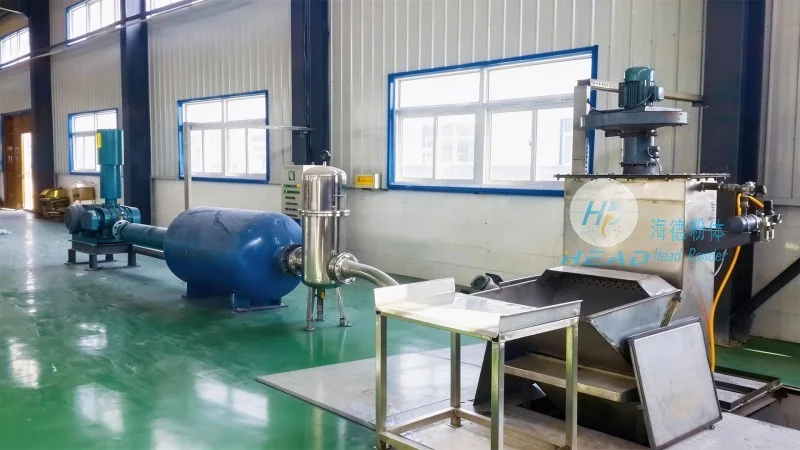
Introduction to Boron Powder Material Handling
Boron powder, a critical raw material in various industries including metallurgy, chemical manufacturing, and aerospace, requires specialized handling techniques due to its fine particle size and potential for dust generation. The primary goal of boron powder material handling is to ensure safe, efficient, and consistent transport from storage to processing equipment, minimizing material loss and maintaining product quality. HeadPowder Engineering Co., Ltd., based in Shandong, China, has developed advanced systems tailored to meet the unique challenges of handling boron powder, combining expertise in material science with cutting-edge engineering solutions.
Core Principles of Boron Powder Material Handling
The fundamental principles of boron powder material handling revolve around controlling particle flow, preventing dust contamination, and ensuring consistent material properties. Key principles include:
1. Sealed and Contained Systems: Boron powder is highly susceptible to moisture and air exposure, which can alter its chemical properties. Therefore, all handling equipment, such as conveyors, hoppers, and storage silos, must be designed with airtight seals and dust collection systems to maintain material integrity and prevent environmental contamination.
2. Low-Speed and Gentle Handling: Fine powders like boron are prone to bridging, caking, and flow issues when subjected to high speeds or impact. Low-speed conveyors, such as screw conveyors or pneumatic systems with controlled air pressure, are preferred to minimize particle degradation and ensure smooth material movement.
3. Electrostatic Control: Boron powder can accumulate static electricity, leading to dust explosion risks. Anti-static materials, grounding systems, and regular maintenance are essential to mitigate these hazards and ensure safe operation.
4. Temperature and Environmental Control: Some boron powder applications require specific temperature conditions. Handling systems must be designed to maintain or adjust temperature as needed, often through insulated components or climate-controlled enclosures.
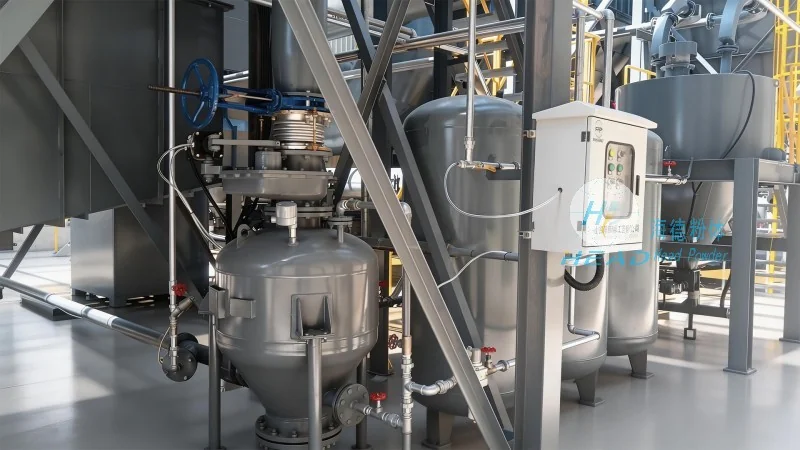
Working Scene Characteristics of Boron Powder Handling Systems
The working scenarios for boron powder material handling vary widely depending on the industry and production scale. These systems are typically integrated into larger manufacturing processes, requiring seamless coordination with other equipment such as mixers, reactors, and packaging units. The following are common characteristics of boron powder handling environments:
1. Industrial Manufacturing Facilities: In metallurgical plants, boron powder is often used as an alloying agent in steel production. Handling systems here must handle large volumes of powder and integrate with high-temperature furnaces and casting equipment. The focus is on durability and resistance to high temperatures and corrosive materials.
2. Chemical Processing Plants: In chemical manufacturing, boron powder is used in the production of borates and other compounds. The handling systems in these facilities must be compatible with various chemical reagents and ensure precise dosing for chemical reactions. Cleanliness and contamination control are paramount to maintain product purity.
3. Aerospace and Advanced Materials Production: Boron powder is critical in the production of high-strength composites for aerospace applications. Handling systems in these sectors must meet stringent quality standards, with minimal particle size variation and consistent flow rates to ensure the performance of final products.
4. Pharmaceutical and Food Processing (Specialized Applications): While less common, specialized handling systems may be used in pharmaceutical or food industries where boron is used as a nutrient or additive. These systems must adhere to strict hygiene and safety regulations, including GMP (Good Manufacturing Practice) compliance.
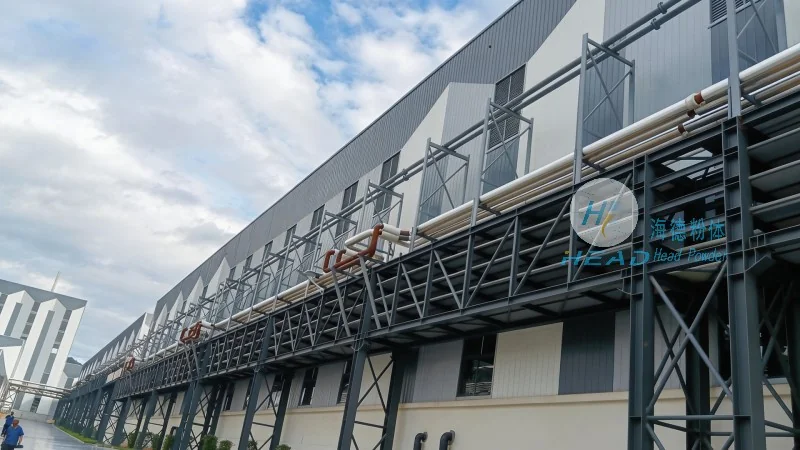
Key Features of HeadPowder's Boron Powder Handling Solutions
HeadPowder Engineering Co., Ltd. offers comprehensive boron powder handling solutions that address the unique challenges of each working scenario. Our systems are designed with the following key features:
1. Customized Conveying Systems: We provide tailored conveyor designs, including screw conveyors, pneumatic conveying lines, and bucket elevators, optimized for boron powder's flow characteristics and the specific requirements of each application.
2. Dust Control and Filtration: Advanced dust collection systems and filtration units are integrated into our equipment to ensure compliance with environmental regulations and maintain a safe working environment.
3. Anti-Static and Corrosion-Resistant Materials: Components are made from materials like stainless steel and anti-static plastics to prevent material buildup and ensure long-term durability.
4. Integrated Automation and Monitoring: Our systems can be equipped with sensors and control panels to monitor flow rates, temperature, and pressure in real-time, enabling proactive maintenance and process optimization.
Conclusion and Practical Applications
Boron powder material handling is a specialized field that requires a deep understanding of material properties and engineering principles. HeadPowder Engineering Co., Ltd., with its headquarters in Shandong, China, leverages decades of experience to deliver reliable, efficient, and safe handling solutions for boron powder. By adhering to the core principles of sealed systems, gentle handling, and environmental control, our solutions ensure consistent material quality and operational safety across diverse industrial applications. Whether for metallurgy, chemicals, or advanced materials, HeadPowder's expertise in boron powder handling helps industries achieve their production goals while maintaining the highest standards of safety and efficiency.




