For industrial facilities dealing with fly ash, efficient material handling is crucial. Pneumatic conveying systems offer a reliable solution for transporting fly ash from sources like boilers, cyclones, or storage silos to processing or disposal locations. This article provides an overview of the working principles and classification applications of fly ash pneumatic conveying systems, highlighting the technology's benefits and practical implementations.
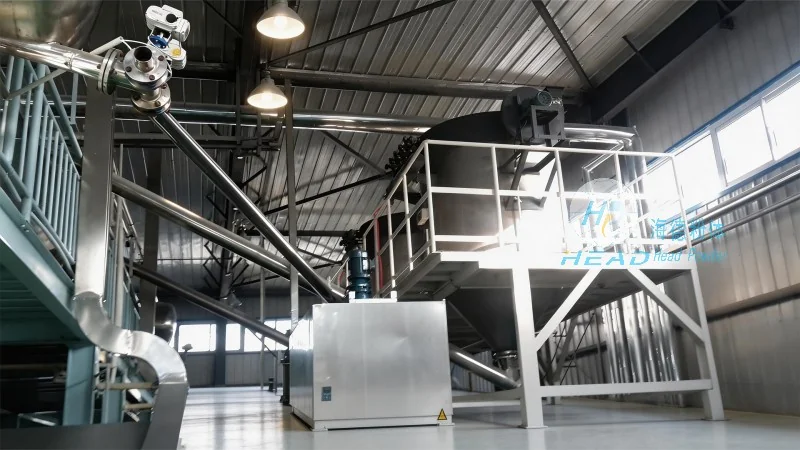
Understanding the Working Principles of Fly Ash Pneumatic Conveying
Fly ash pneumatic conveying operates by using compressed air or other gases to transport dry particulate materials through a pipeline system. The process typically involves a few key components: a material feed hopper, a conveyor line (often a flexible hose or rigid pipe), and a discharge point. The system works by creating a pressure differential between the inlet and outlet, which draws the fly ash particles into the pipeline. As the air flows through the system, it carries the ash particles along, ensuring a continuous and controlled flow. This method eliminates the need for mechanical components like belts or buckets, reducing maintenance and wear compared to traditional systems.
Classification of Fly Ash Pneumatic Conveying Systems
Fly ash pneumatic conveying systems are generally classified into two main categories: dilute-phase and dense-phase systems. Each type has distinct characteristics and applications.
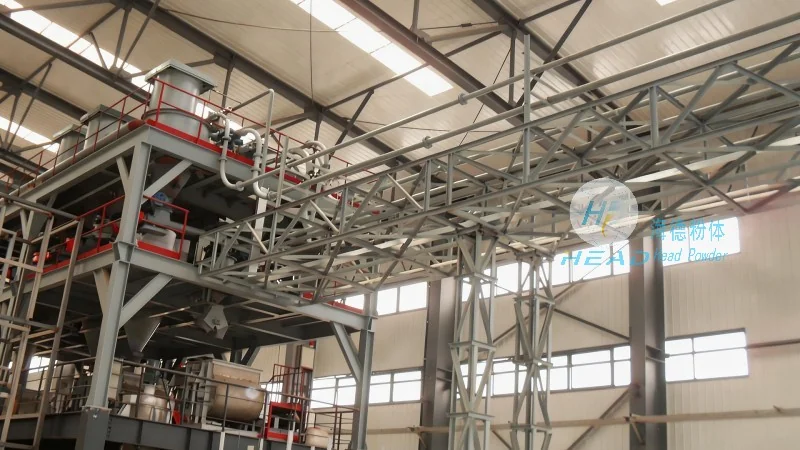
Dilute-Phase Conveying is characterized by low material concentration in the air stream, typically around 1-5% by volume. This method is suitable for long-distance transport (up to several kilometers) and high-velocity applications. The system relies on high air velocity to keep the particles suspended, making it ideal for transporting fly ash from power plants to off-site disposal sites or recycling facilities. Dilute-phase systems are often more cost-effective for long distances due to lower energy consumption per unit of material compared to dense-phase systems.
Dense-Phase Conveying, on the other hand, operates at higher material concentrations, usually 10-20% by volume. This method is preferred for short-distance transport (typically less than 100 meters) where gentle handling is required. Dense-phase systems use lower air velocities and higher pressure to move the material, reducing particle breakage and minimizing dust emissions. They are commonly used in applications where the fly ash needs to be delivered to a nearby storage silo or processing unit without excessive wear or degradation. The system's design focuses on maintaining a stable flow and preventing clogging, which is critical for handling fine or abrasive fly ash particles.
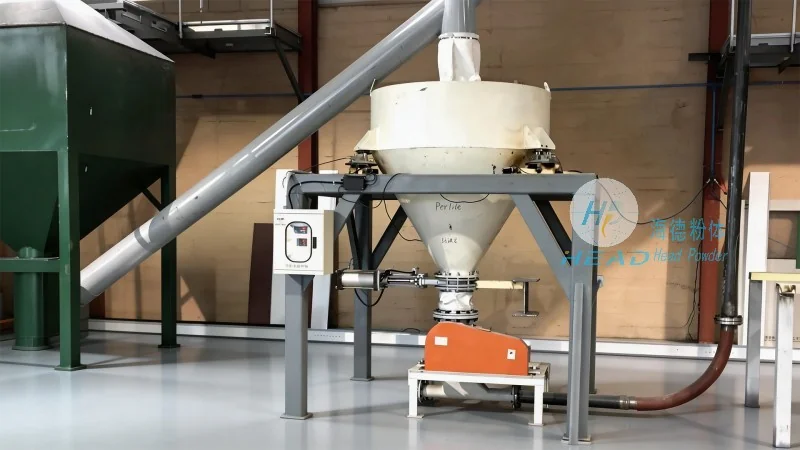
Applications and Benefits of Fly Ash Pneumatic Conveying
The versatility of fly ash pneumatic conveying makes it suitable for a wide range of industrial applications. In power plants, these systems are used to transfer fly ash from the boiler to the ash handling system, ensuring efficient removal and disposal. For construction and cement industries, fly ash is often transported to mixing facilities or storage areas for use as a supplementary cementitious material. The technology also supports environmental compliance by reducing the need for manual handling and minimizing dust exposure for workers.
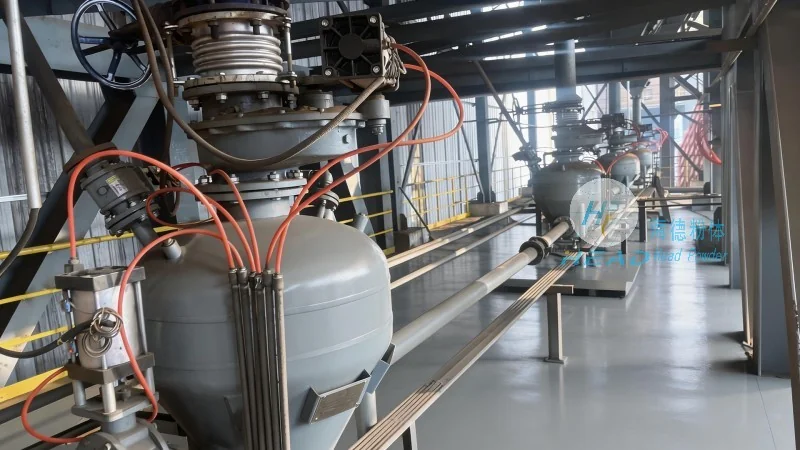
Key benefits of pneumatic conveying systems for fly ash include: improved safety by eliminating manual handling of bulk materials, reduced maintenance costs due to fewer mechanical parts, and enhanced efficiency in material transport. The systems are also adaptable to different plant layouts and can be integrated with existing infrastructure, making them a practical solution for both new and retrofit installations.
Company Profile: Shandong HeadPowder Engineering Co., Ltd.
Shandong HeadPowder Engineering Co., Ltd., operating under the brand name headpowder, specializes in the design, manufacturing, and installation of pneumatic conveying systems tailored for fly ash and other bulk materials. With a focus on industrial efficiency and environmental responsibility, the company provides customized solutions that meet the specific needs of power plants, cement manufacturers, and waste management facilities. HeadPowder's expertise lies in optimizing system performance, ensuring reliable operation, and adhering to industry standards for material handling and safety. The company's headquarters is located in Shandong, China, where it leverages local resources and expertise to deliver high-quality engineering services and equipment.




