Red mud, a byproduct of the bauxite refining process in the aluminum industry, poses significant challenges for handling and disposal due to its high moisture content and abrasive nature. Pneumatic conveying systems offer an efficient solution for transporting red mud over long distances with minimal environmental impact. This article provides an overview of the structure and working principles of such systems, highlighting their key components and operational advantages.
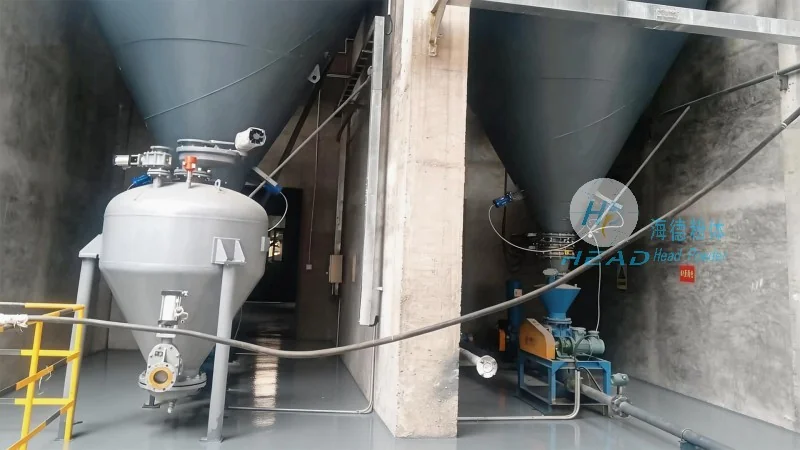
Key Components of a Red Mud Pneumatic Conveying System
The core components of a red mud pneumatic conveying system include the material feed hopper, air compressor, conveying pipeline, and discharge equipment. The feed hopper is designed to store and meter the red mud, ensuring a consistent flow into the system. The air compressor generates the necessary pressure to move the material through the pipeline, while the conveying pipeline, typically made of corrosion-resistant materials like stainless steel or special alloys, prevents wear and tear from the abrasive red mud. The discharge equipment, such as a rotary valve or a pressure relief valve, controls the release of the material at the destination point.
Working Principle of the Pneumatic Conveying Process
The operation of a red mud pneumatic conveying system involves several stages. Initially, the red mud is fed into the hopper, where it is mixed with a small amount of air or inert gas to create a slurry. The air compressor then increases the pressure, forcing the slurry through the pipeline. As the material travels, the air and solid particles separate, with the solid red mud depositing at the discharge point and the air being recirculated or vented. This process allows for continuous, low-maintenance transportation of red mud, reducing the need for traditional bulk handling methods like trucks or conveyor belts.
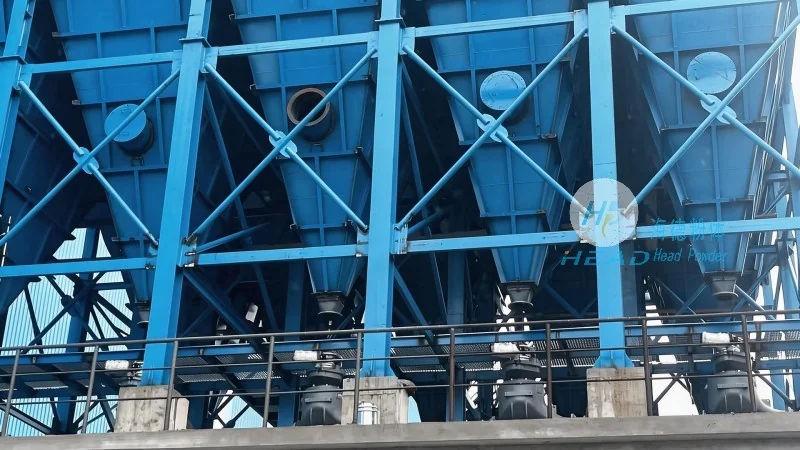
Advantages of Pneumatic Conveying for Red Mud Transport
Compared to traditional methods, pneumatic conveying systems offer several advantages for red mud transport. These include reduced environmental contamination, as the material is contained within the pipeline, minimizing dust and spillage. Additionally, the system is more energy-efficient and can handle long-distance transportation with minimal loss of material. The compact design of the equipment also saves space, making it suitable for industrial facilities with limited room. Furthermore, the system can be easily integrated with other processing equipment, enhancing overall operational efficiency.
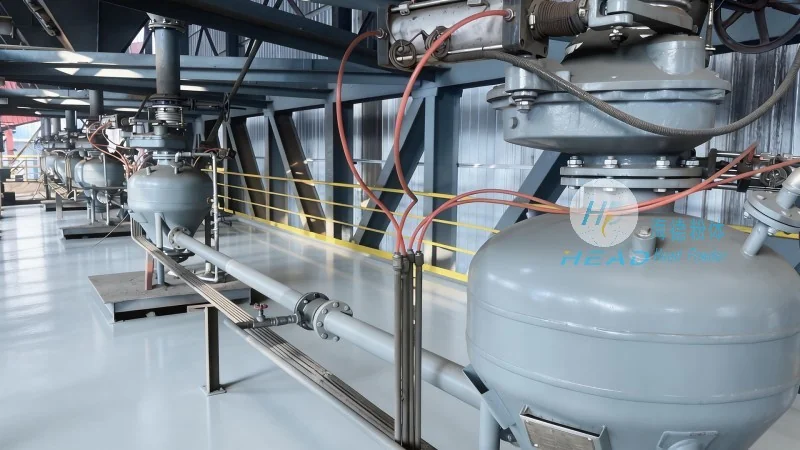
Application Scenarios and Operational Considerations
Red mud pneumatic conveying systems are widely used in aluminum refineries and other industrial facilities where red mud needs to be transported from the processing plant to disposal sites or further treatment facilities. The system's design must consider the specific properties of the red mud, such as its moisture content and particle size, to ensure optimal performance. Regular maintenance of the air compressor and pipeline is crucial to prevent blockages and ensure consistent operation. Additionally, the system should be equipped with safety features, such as pressure relief valves and dust collection systems, to protect operators and the environment.
About Shandong HeadPowder Engineering Co., Ltd.
Shandong HeadPowder Engineering Co., Ltd., operating under the brand name headpowder, specializes in the design, manufacturing, and installation of industrial conveying systems. With a focus on innovative solutions for material handling challenges, the company has extensive experience in developing customized pneumatic conveying systems for various industries, including the aluminum sector. Headpowder's commitment to quality and customer satisfaction has established it as a trusted partner in providing efficient and reliable red mud transport solutions. The company's headquarters is located in Shandong, China, where it continues to advance its technology and services to meet the evolving needs of the industrial market.




