PTA (Polyethylene Terephthalate Acid) is a critical raw material in the production of polyester fibers and resins. The efficient and reliable transportation of PTA material is essential for maintaining smooth operations in industrial plants. Pneumatic conveying systems, particularly those designed for PTA material, offer a sophisticated solution to this challenge. This article explores the working principle and key features of PTA material pneumatic conveying machines, highlighting how they enhance material handling efficiency and operational safety.
Understanding the Working Principle of PTA Material Pneumatic Conveying Machines
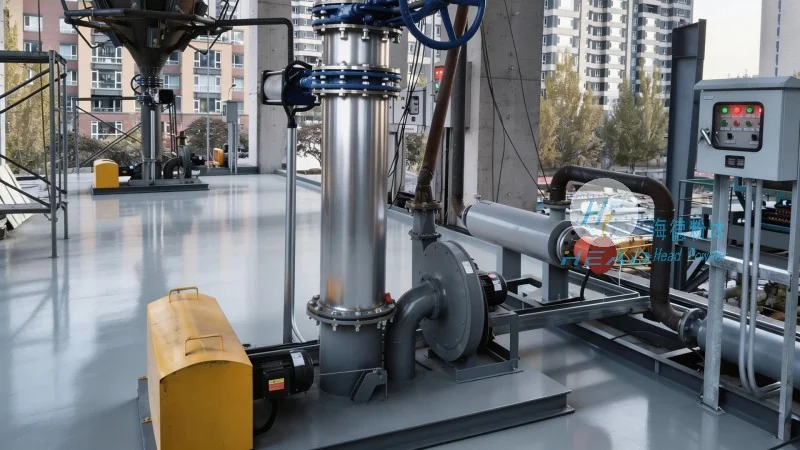
The core of a PTA material pneumatic conveying system lies in its ability to transport bulk materials through a pipeline using air or gas as the conveying medium. The process typically involves several key components and stages. First, the PTA material is fed into a hopper or feeder, where it is then introduced into a pipeline. Compressed air or gas is then introduced into the pipeline, creating a pressure differential that propels the material forward. The system may employ different conveying modes, such as dilute phase or dense phase, depending on the material characteristics and distance to be covered. In dilute phase conveying, the material is suspended in the air stream and moves at high velocity, while in dense phase conveying, the material is conveyed in a more compact form with lower air velocity, which is often preferred for delicate or abrasive materials like PTA.
Key components of a PTA pneumatic conveying system include the feeder, which ensures a consistent material flow; the air compressor or blower, which provides the necessary pressure and airflow; the pipeline network, which transports the material; and the receiver or discharge unit, where the material is collected. The system may also incorporate features like filters to prevent dust and debris from entering the air system, and control valves to regulate the flow and pressure. The working principle is designed to minimize material degradation, ensure accurate dosing, and maintain a clean and efficient operation, all of which are critical for PTA processing.
Key Features of PTA Material Pneumatic Conveying Machines
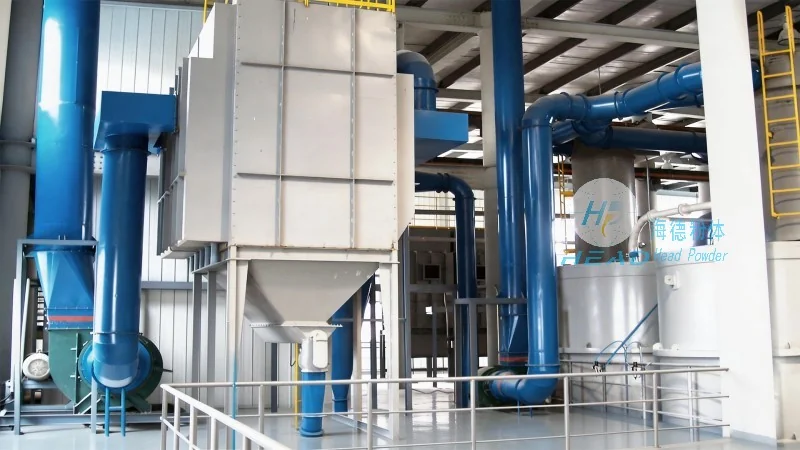
PTA material pneumatic conveying machines are engineered with several distinct features that make them suitable for handling this specific material. One of the primary features is their ability to handle abrasive and fine particles without causing excessive wear or blockages. The design of the conveying components, such as the feeder and pipeline, incorporates materials resistant to corrosion and wear, ensuring long-term durability. Additionally, these systems are equipped with advanced control systems that allow for precise regulation of material flow, pressure, and air volume, enabling accurate dosing and minimizing waste.
Another significant feature is the system's ability to maintain a clean and hygienic environment, which is crucial in PTA processing where contamination can impact product quality. The use of sealed pipelines and proper filtration helps prevent dust and particles from escaping into the environment, reducing the risk of contamination and improving workplace safety. Furthermore, the design allows for easy maintenance and cleaning, with components that can be easily accessed and serviced, reducing downtime and operational costs.
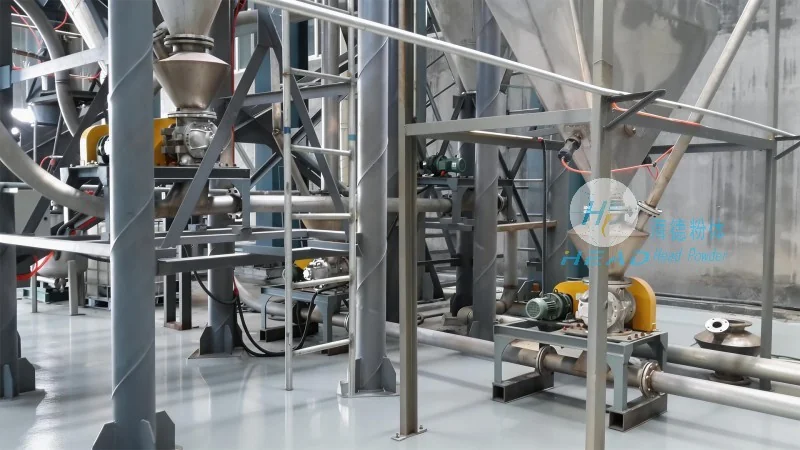
The systems also offer flexibility in terms of layout and integration with existing plant infrastructure. They can be customized to fit various plant sizes and configurations, and can be integrated with other processing equipment, such as reactors or storage tanks, to form a seamless material handling solution. This adaptability makes them a versatile choice for PTA processing facilities.
Benefits of Using PTA Material Pneumatic Conveying Machines
Implementing PTA material pneumatic conveying machines brings numerous benefits to industrial operations. The most notable advantage is the significant improvement in material handling efficiency. By eliminating the need for manual or mechanical conveying methods, such as belt conveyors or bucket elevators, the system reduces labor costs and minimizes the risk of material spillage or damage. The consistent and controlled flow of material also enhances the accuracy of downstream processes, such as mixing or reaction, leading to higher product quality and yield.
Operational safety is another key benefit. Pneumatic conveying systems are enclosed, reducing the exposure of workers to dust and hazardous materials. The sealed design also helps in controlling dust emissions, complying with environmental regulations and improving air quality in the plant. Furthermore, the reduced need for manual handling minimizes the risk of workplace accidents, contributing to a safer working environment.
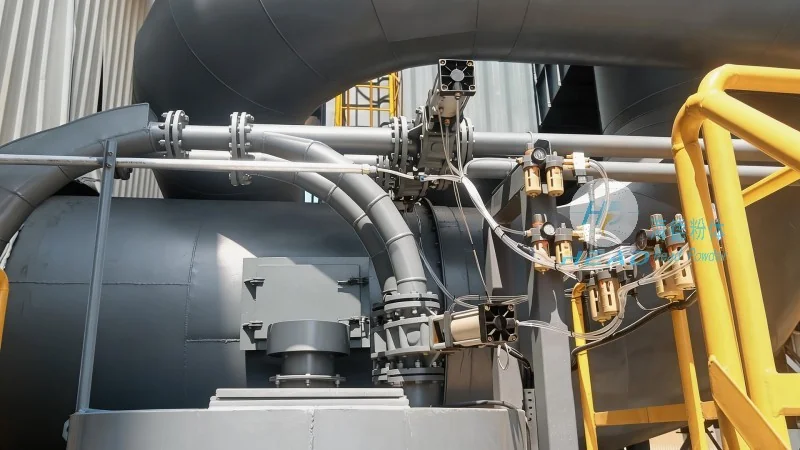
From an economic perspective, these systems offer long-term cost savings. The durability of the components, combined with low maintenance requirements, reduces the overall operational costs over the system's lifespan. The ability to handle large volumes of material efficiently also increases the throughput of the plant, potentially leading to higher production output and revenue. Additionally, the precise control of material flow helps in optimizing the use of raw materials, reducing waste and improving overall efficiency.
Conclusion
PTA material pneumatic conveying machines are a vital component in modern industrial processing, offering an efficient, safe, and reliable solution for transporting PTA material. By understanding the working principle and leveraging the key features of these systems, PTA processing facilities can enhance their operational performance, improve product quality, and achieve significant cost savings. The technology, developed by companies like Shandong HeadPowder Engineering Co., Ltd., based in China, represents a sophisticated approach to material handling that meets the demanding requirements of the PTA industry.




