Glutinous rice, also known as sticky rice, is a staple in many Asian cuisines and is valued for its unique texture and flavor. The efficient handling and transportation of glutinous rice from production sites to processing facilities or storage areas is crucial for maintaining product quality and operational efficiency. Pneumatic conveying systems offer a reliable solution for this purpose, especially when dealing with materials like glutinous rice that require gentle handling to preserve their integrity.
What is a Pneumatic Conveying System?
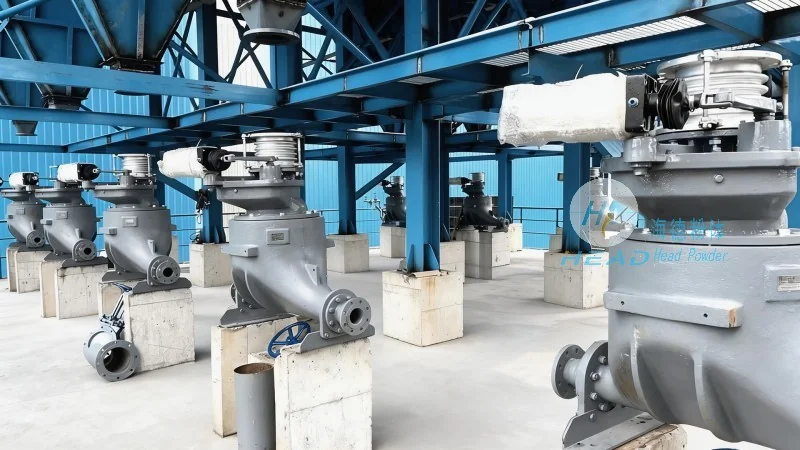
A pneumatic conveying system is a method of transporting bulk materials, such as grains, powders, or granules, using a stream of pressurized air or vacuum. This technology eliminates the need for mechanical components like belts or buckets, reducing wear and tear and minimizing the risk of contamination. For glutinous rice, which is sensitive to pressure and friction, pneumatic conveying provides a gentle yet effective means of movement.
Key Components of a Glutinous Rice Pneumatic Conveying System
The design of a pneumatic conveying system for glutinous rice typically includes several key components that work together to ensure smooth operation. These components include a hopper for material storage, a feeder to control the flow of rice, a conveying line (often made of flexible or rigid tubing), a blower or vacuum pump to generate the air flow, and a receiver or silo for the discharged material. Each component is carefully selected to handle the specific characteristics of glutinous rice, such as its moisture content and particle size.
The Role of Air Flow in Conveying Glutinous Rice
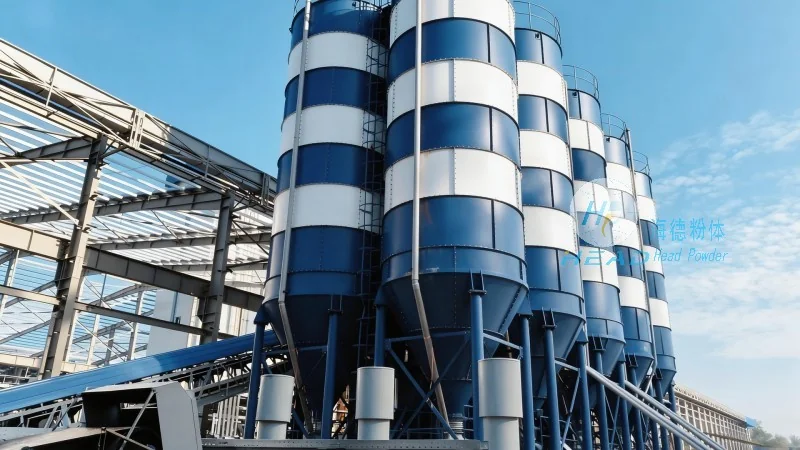
The air flow is a critical factor in the performance of a pneumatic conveying system. The velocity and pressure of the air must be optimized to prevent material degradation and ensure efficient transport. For glutinous rice, which is prone to clumping or caking, the air flow is designed to maintain the material in a suspended state, preventing it from settling or sticking to the conveying line. This requires precise control of the air pressure and flow rate, which is achieved through the use of specialized blower systems and flow meters.
Design Principles for Efficient Glutinous Rice Handling
The design principles of a glutinous rice pneumatic conveying system focus on maximizing efficiency while minimizing product damage. Key considerations include the selection of appropriate materials for the conveying line to avoid contamination or reaction with the rice, the use of gentle feeding mechanisms to prevent breakage, and the incorporation of cleaning and maintenance features to ensure long-term reliability. The system is also designed to handle variations in rice moisture content and particle size, ensuring consistent performance under different operating conditions.
Advantages of Using Pneumatic Conveying for Glutinous Rice
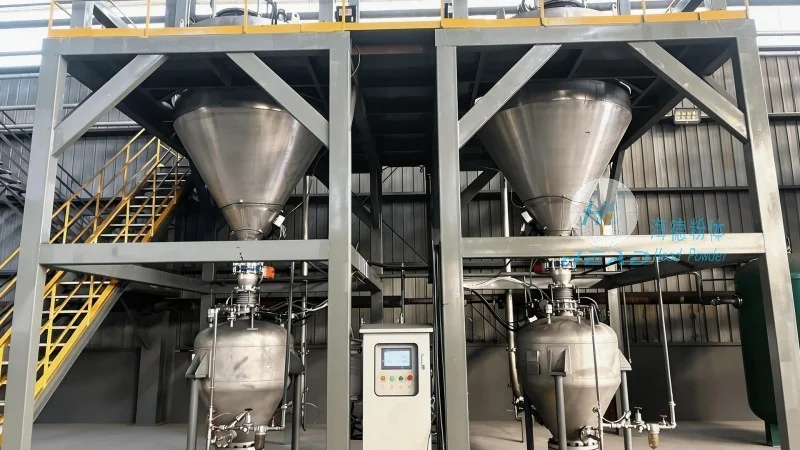
Compared to traditional mechanical conveying methods, pneumatic conveying offers several advantages for handling glutinous rice. These include reduced product degradation due to gentle handling, lower risk of contamination from external sources, and improved operational flexibility. The system can also be easily integrated with other processing equipment, such as milling or packaging machines, to create a seamless production line. Additionally, pneumatic conveying systems are relatively compact and can be installed in various locations, making them suitable for both small-scale and large-scale operations.
Applications of Glutinous Rice Pneumatic Conveying Equipment
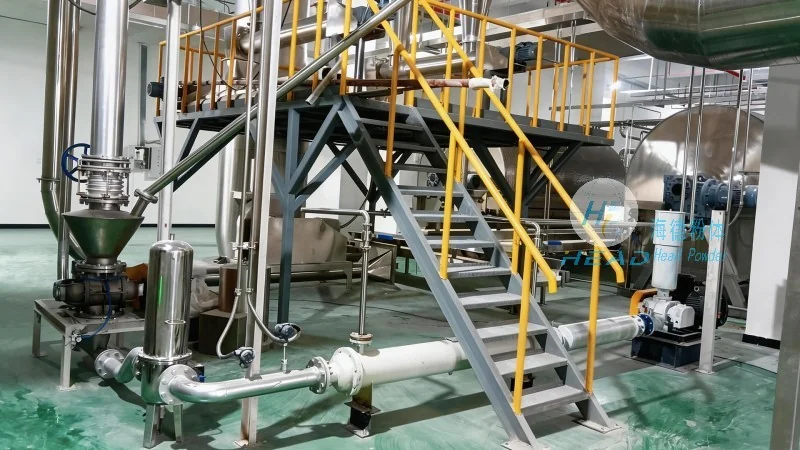
Glutinous rice pneumatic conveying equipment is widely used in various industries, including food processing, pharmaceuticals, and chemical manufacturing. In the food industry, it is commonly employed in rice mills and processing plants to transport raw glutinous rice to processing units or storage silos. The equipment is also used in the production of rice-based products, such as rice cakes, rice noodles, and rice flour, where consistent material handling is essential for maintaining product quality. In pharmaceutical and chemical applications, the system is used to transport glutinous rice-based ingredients that require sterile and contamination-free handling.
Conclusion: The Importance of Proper Design and Implementation
Properly designed and implemented, a glutinous rice pneumatic conveying system can significantly improve the efficiency and quality of rice handling operations. By understanding the unique characteristics of glutinous rice and applying appropriate design principles, manufacturers can ensure that their conveying systems operate reliably and effectively. The use of pneumatic conveying technology not only enhances operational performance but also contributes to the preservation of product quality, making it an essential component in modern rice processing facilities.




