Designing a high-temperature fly ash pneumatic conveying system requires a comprehensive approach that addresses the unique challenges posed by the material's properties and operational conditions. The system's effectiveness is determined by factors such as the temperature of the fly ash, its moisture content, particle size distribution, and the required conveying distance and pressure. These elements collectively influence the selection of equipment, piping materials, and control strategies. This section provides an overview of the key design considerations that ensure optimal performance and longevity of the system.
System Selection and Material Characteristics
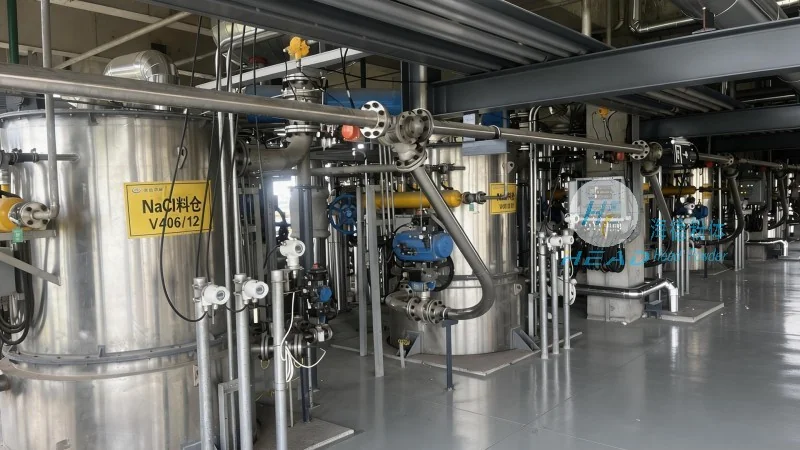
The first step in designing a high-temperature fly ash pneumatic conveying system is to evaluate the material characteristics of the fly ash. High-temperature fly ash typically originates from coal-fired power plants and may have temperatures ranging from 200°C to 800°C depending on the combustion process. The material's temperature directly impacts the choice of conveying method, as different systems are better suited for varying temperature ranges. For instance, positive pressure systems are commonly used for high-temperature applications due to their ability to handle elevated temperatures and maintain consistent flow rates. The particle size and density of the fly ash also play a crucial role in determining the required air velocity and pressure. Coarser particles may necessitate higher air velocities to prevent blockages, while finer particles can be conveyed at lower velocities with less energy consumption. Understanding these material properties is essential for selecting the appropriate equipment and ensuring efficient operation.
Piping and Component Materials
The selection of piping and component materials is critical in high-temperature fly ash conveying systems to prevent corrosion, thermal degradation, and material degradation. Materials such as stainless steel, alloy steel, and high-temperature-resistant plastics are commonly used to withstand the harsh conditions of high-temperature fly ash. Stainless steel, particularly types like 304 or 316, offers excellent resistance to corrosion and is suitable for temperatures up to 600°C. For higher temperatures, alloy steels or specialized high-temperature alloys may be required. The choice of material also depends on the system's pressure and flow rates. For example, high-pressure systems may require thicker-walled pipes to maintain structural integrity under pressure. Additionally, components such as elbows, tees, and valves must be designed to handle the abrasive nature of fly ash, which can cause wear over time. Proper material selection ensures the longevity of the system and minimizes maintenance costs.
Equipment Selection and Sizing
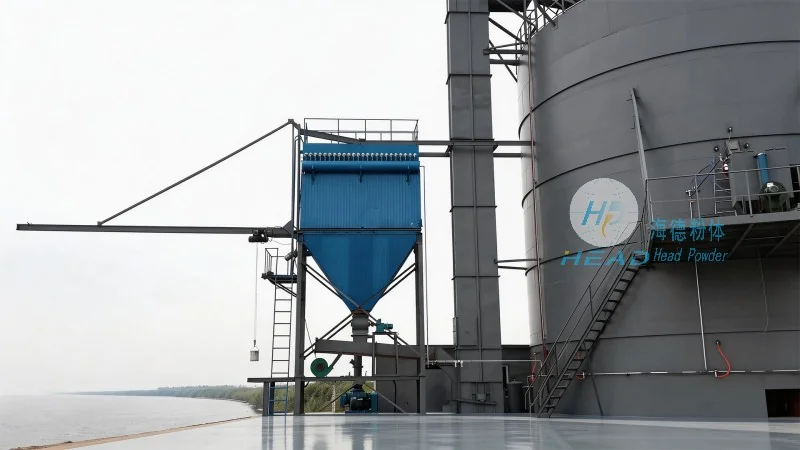
Key equipment in a high-temperature fly ash pneumatic conveying system includes the blower or compressor, feeder, and control valves. The blower or compressor must be sized to provide sufficient air volume and pressure to transport the fly ash over the required distance. The selection of the blower type, whether positive displacement or centrifugal, depends on the system's pressure requirements and flow rate. Positive displacement blowers are often preferred for high-temperature applications as they can maintain consistent pressure even at varying flow rates. The feeder, which introduces the fly ash into the system, must be capable of handling the material's temperature and flow rate. Screw feeders or rotary valves are commonly used for high-temperature fly ash due to their ability to handle abrasive materials and maintain consistent feeding rates. Control valves, such as butterfly or ball valves, are used to regulate the flow and pressure within the system, ensuring safe and efficient operation. Proper sizing of these components is essential to prevent overloading, which can lead to equipment failure or system inefficiencies.
System Controls and Safety Measures
Effective control systems are vital for the safe and efficient operation of high-temperature fly ash pneumatic conveying systems. These systems typically include sensors to monitor temperature, pressure, and flow rates, with alarms and interlocks to prevent overpressure or underflow conditions. The control system should be designed to automatically adjust the air flow and pressure based on the material feed rate, ensuring consistent performance. Safety measures are also critical, as high-temperature fly ash can pose health and safety risks if not handled properly. The system should include features such as explosion-proof components, fire suppression systems, and emergency shut-off valves to mitigate potential hazards. Regular maintenance and inspection of the system are necessary to ensure compliance with safety regulations and to identify potential issues before they become major problems. Proper training of operators on system operation and safety procedures is also essential for maintaining a safe working environment.
Installation and Maintenance Considerations
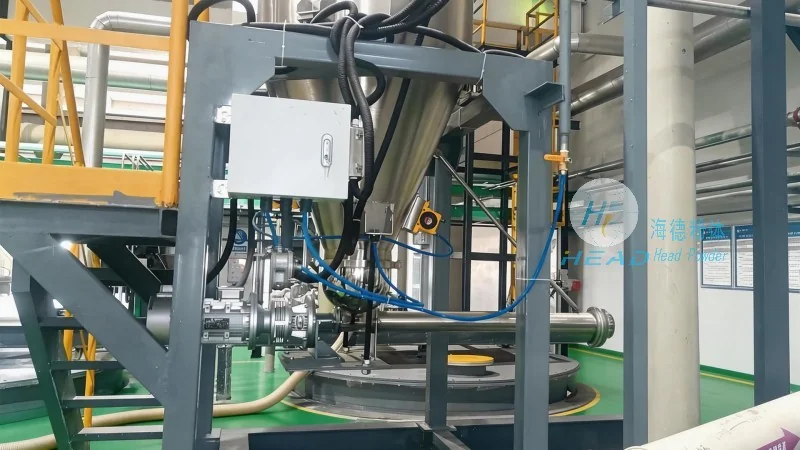
The installation of a high-temperature fly ash pneumatic conveying system requires careful planning and execution to ensure proper alignment and integration with existing infrastructure. The system should be installed with sufficient clearance for maintenance and access to components such as the blower, feeder, and control valves. Proper grounding and electrical connections are also important to prevent electrical hazards. Maintenance of the system is crucial for maintaining its performance and longevity. Regular cleaning of the piping and components is necessary to remove accumulated fly ash, which can cause blockages and reduce efficiency. The blower and compressor should be inspected regularly for wear and tear, and lubricated as per manufacturer specifications. The feeder and control valves should be checked for proper operation and adjusted as needed to maintain consistent flow rates. By following a regular maintenance schedule, the system can operate efficiently for extended periods, reducing downtime and maintenance costs.
Case Study: Application by Shandong HeadPowder Engineering Co., Ltd.
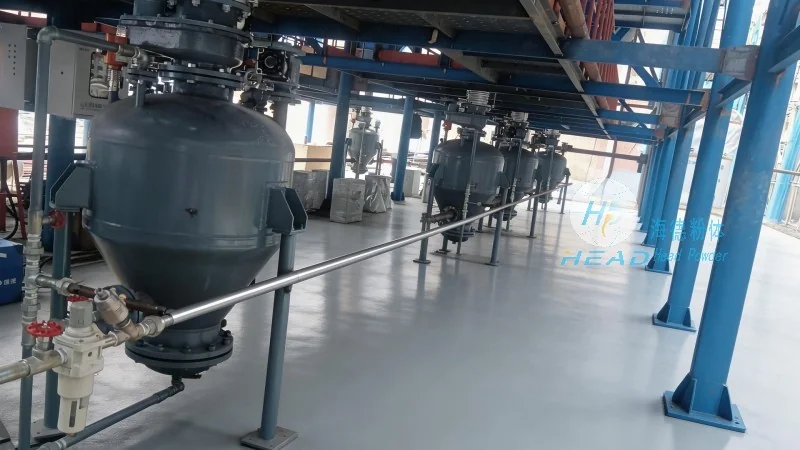
Shandong HeadPowder Engineering Co., Ltd., a leading provider of engineering solutions for industrial applications, has successfully implemented high-temperature fly ash pneumatic conveying systems in various power plants across China. The company's expertise in material handling and system design has enabled them to develop customized solutions that meet the specific needs of their clients. For example, a recent project involved the design and installation of a high-temperature fly ash conveying system for a coal-fired power plant in Shandong, China. The system was designed to transport fly ash from the boiler to the storage silo over a distance of 200 meters, with temperatures reaching up to 600°C. The system utilized stainless steel piping and a positive displacement blower, ensuring reliable operation under the harsh conditions. The project was completed on schedule and within budget, with the system achieving high efficiency and low maintenance costs. This case study demonstrates the effectiveness of Shandong HeadPowder's approach to designing and implementing high-temperature fly ash pneumatic conveying systems.
Conclusion
Designing a high-temperature fly ash pneumatic conveying system requires careful consideration of material properties, equipment selection, and system controls. By addressing these factors, engineers can develop systems that are efficient, reliable, and safe. The use of appropriate materials, properly sized equipment, and effective control systems ensures optimal performance and longevity. Shandong HeadPowder Engineering Co., Ltd. has demonstrated expertise in this field, providing customized solutions that meet the specific needs of their clients. With proper design and maintenance, high-temperature fly ash pneumatic conveying systems can effectively handle the challenges posed by the material, contributing to the efficient operation of power plants and other industrial facilities.




