Understanding the various methods of dry material conveying is crucial for industries that handle bulk materials efficiently. Dry material conveying systems are designed to transport powders, granules, and other particulate materials from one location to another with precision and reliability. The choice of conveying method depends on several factors, including the material's properties, the required conveying distance, and the operational environment. In this article, we explore the primary methods used for dry material conveying, highlighting their applications and benefits.
1. Screw Conveyors (Auger Conveyors)
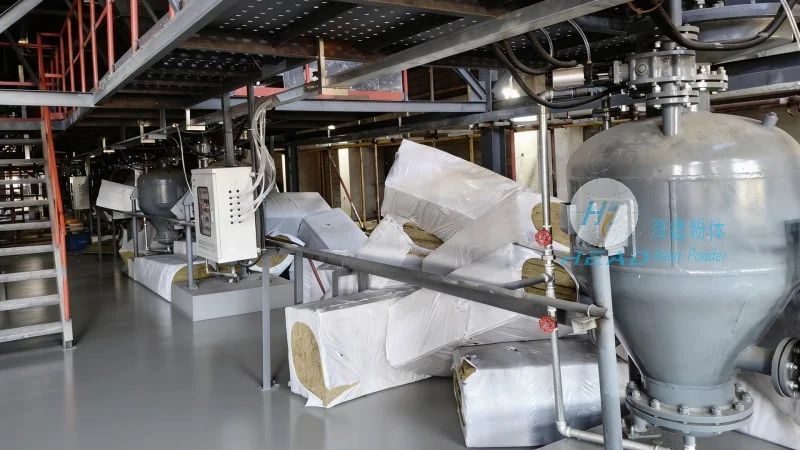
Screw conveyors, also known as auger conveyors, are among the most common types of dry material conveyors. These systems consist of a rotating helical screw (auger) enclosed in a tube or trough. As the screw rotates, it pushes the material forward, creating a continuous flow. Screw conveyors are particularly effective for conveying granular or powdery materials that are free-flowing and non-abrasive. They are widely used in industries such as food processing, pharmaceuticals, and chemical manufacturing. The design of screw conveyors allows for vertical and horizontal conveying, making them versatile for different applications. For example, in a food processing plant, a screw conveyor might be used to transport flour or sugar from a storage silo to a mixing area. The smooth operation and low maintenance requirements of screw conveyors make them a popular choice for many industries. The company, Shandong HeadPowder Engineering Co., Ltd., specializes in providing high-quality screw conveyor systems tailored to meet the specific needs of clients. Their expertise in material handling ensures that the equipment is optimized for efficiency and durability.
2. Pneumatic Conveying Systems
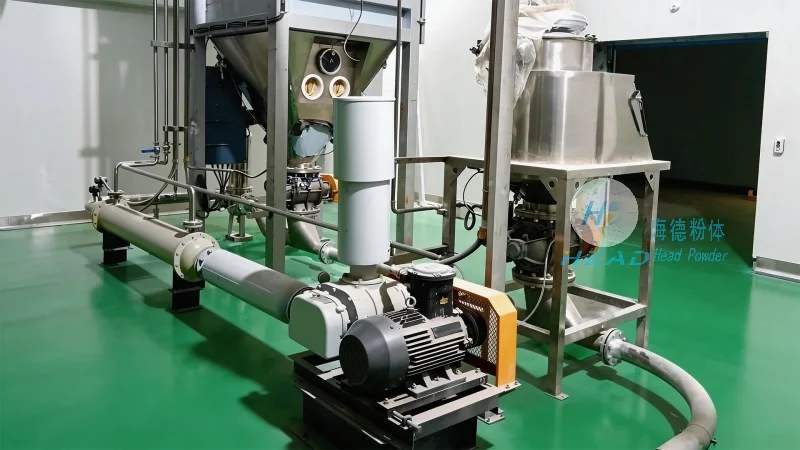
Pneumatic conveying systems use air or other gases to transport dry materials. These systems are ideal for handling fine powders and granules that are difficult to convey using mechanical methods. There are two main types of pneumatic conveying: pressure and vacuum. Pressure systems use compressed air to push the material through a pipeline, while vacuum systems use a vacuum to pull the material. Pneumatic conveying offers advantages such as the ability to transport materials over long distances and the flexibility to handle materials in different locations. However, it requires careful consideration of the material's dust explosion risk and the energy consumption for air compression. In industries like cement and chemical processing, pneumatic conveyors are commonly used to transport raw materials or finished products. The company, headpowder, provides advanced pneumatic conveying solutions that ensure safe and efficient material transport. Their systems are designed to comply with safety standards and minimize operational costs.
3. Belt Conveyors
Belt conveyors are another widely used method for dry material conveying. These systems consist of a continuous belt that moves over rollers or pulleys, transporting materials along a fixed path. Belt conveyors are suitable for a wide range of materials, including bulk solids and packaged goods. They are commonly used in mining, construction, and agricultural industries. The design of belt conveyors allows for high throughput and long conveying distances. For instance, in a mining operation, a belt conveyor might be used to transport ore from a mine to a processing plant. The robust construction of belt conveyors makes them capable of handling heavy loads and abrasive materials. The company, Shandong HeadPowder Engineering Co., Ltd., offers customized belt conveyor systems that can be integrated into existing production lines. Their solutions are engineered to enhance productivity and reduce downtime.
4. Bucket Elevators
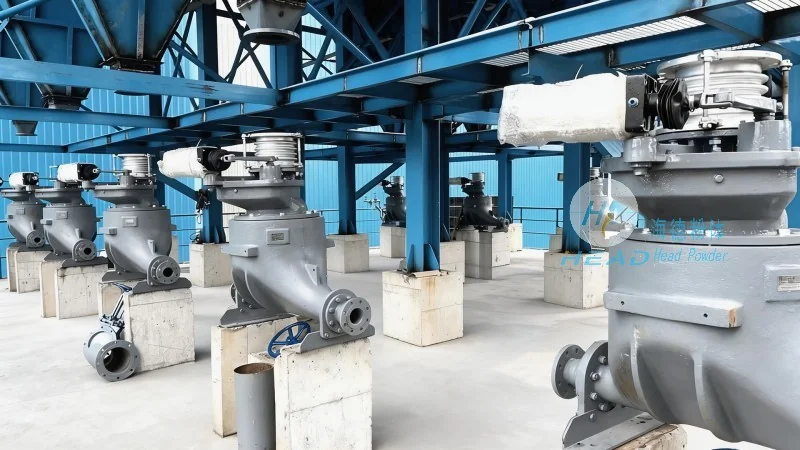
Bucket elevators are vertical conveying systems that use buckets attached to a chain or belt to transport materials upward. These systems are ideal for vertical or inclined conveying of dry materials. The buckets are filled at the bottom and then travel up the elevator, emptying at the top. Bucket elevators are commonly used in industries such as cement, flour milling, and food processing. They are particularly effective for handling materials that are prone to segregation or that need to be elevated to a higher level. The design of bucket elevators allows for high capacity and efficient material transport. For example, in a flour mill, a bucket elevator might be used to transport flour from a storage bin to a grinding machine. The company, headpowder, specializes in manufacturing bucket elevators that are durable and reliable. Their products are designed to meet the specific requirements of different industries, ensuring optimal performance.
5. Vibrating Conveyors
Vibrating conveyors use vibration to move dry materials along a trough. These systems consist of a conveyor bed that vibrates at a specific frequency, causing the material to move forward. Vibrating conveyors are suitable for handling materials that are sticky, abrasive, or have a high moisture content. They are commonly used in industries such as coal processing, mining, and chemical manufacturing. The design of vibrating conveyors allows for gentle material handling, reducing product degradation. For instance, in a coal processing plant, a vibrating conveyor might be used to transport coal from a hopper to a crusher. The company, Shandong HeadPowder Engineering Co., Ltd., provides high-quality vibrating conveyor systems that ensure smooth and efficient material transport. Their expertise in material handling ensures that the equipment is optimized for different material characteristics.




