For industries dealing with mineral granules, selecting the right transport method is crucial for efficiency and cost-effectiveness. Shandong HeadPowder Engineering Co., Ltd., a leading manufacturer based in Shandong, China, offers a range of solutions tailored to different material characteristics and operational needs. This article explores the primary methods of mineral granule transport, highlighting their applications and benefits.
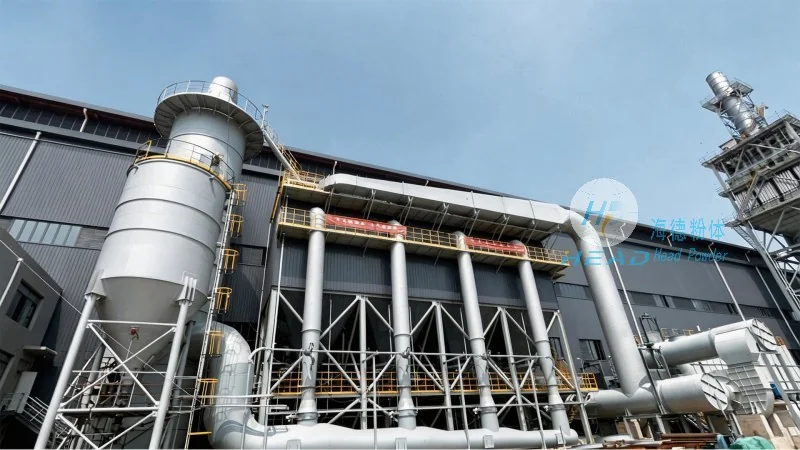
1. Screw Conveyors: The Versatile Option for Bulk Material Handling
Screw conveyors, also known as auger conveyors, are among the most common equipment for transporting mineral granules. These systems consist of a rotating helical screw inside a tube, which moves material from the inlet to the outlet through gravity and friction. Screw conveyors are ideal for handling dry, free-flowing granules such as sand, gravel, and crushed minerals. They are particularly effective in applications where vertical or inclined transport is required, as the screw design allows for smooth material movement without the need for additional power beyond the motor driving the screw. The design of screw conveyors can be customized to accommodate different particle sizes and material densities, making them a flexible choice for various mining and processing operations.
2. Belt Conveyors: High-Capacity Solutions for Long-Distance Transport
Belt conveyors are widely used for transporting mineral granules over long distances and at high capacities. These systems utilize a continuous belt that moves material from one point to another, supported by rollers or idlers. The belt is typically made of durable materials like rubber or synthetic fabrics, which can withstand the abrasiveness of mineral granules. Belt conveyors are suitable for both horizontal and inclined transport, and they can be configured with multiple idlers and tensioning mechanisms to handle heavy loads and maintain stability. In industrial settings, belt conveyors are often integrated with other equipment, such as feeders and classifiers, to form a comprehensive material handling system. This makes them an essential component in mining, quarrying, and processing facilities where large volumes of granular materials need to be moved efficiently.
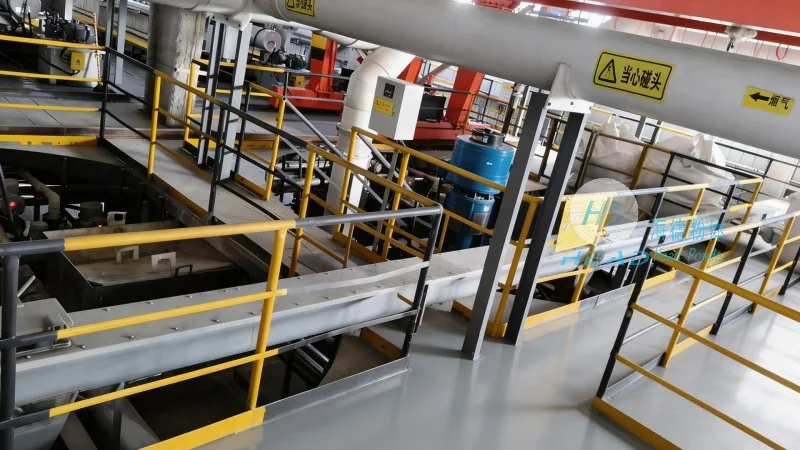
3. Pneumatic Conveying Systems: Air-Driven Transport for Fine and Dusty Materials
Pneumatic conveying systems use air or gas to transport mineral granules, making them suitable for handling fine, dusty, or abrasive materials that are difficult to move with mechanical systems. These systems consist of a pipeline network, air blowers, and control valves that create a pressure differential to move material. There are two main types of pneumatic conveying: dilute-phase and dense-phase. Dilute-phase systems use low air velocity to transport material in a suspended state, while dense-phase systems use higher air velocity to push material in a slurry-like state. Pneumatic conveying offers advantages such as minimal material degradation, reduced labor costs, and the ability to transport materials vertically, horizontally, or in a combination of both. However, it requires careful design to ensure efficient material transport and prevent system blockages, especially with high-density or sticky granules.
4. Bucket Elevators: Vertical Transport with High Efficiency
Bucket elevators are specialized equipment designed for vertical transport of mineral granules. These systems consist of a vertical or inclined conveyor with buckets attached to a chain or belt that moves material upward. The buckets are filled at the bottom and emptied at the top, allowing for continuous vertical transport. Bucket elevators are commonly used in industries where vertical movement is necessary, such as in feed mills, cement plants, and mining operations. They are particularly effective for handling heavy, abrasive, or sticky granules that may cause wear on other conveyor systems. The design of bucket elevators can be customized to accommodate different bucket sizes and spacing, which affects the capacity and efficiency of material transport. This makes them a reliable choice for applications requiring high vertical lift and consistent material flow.
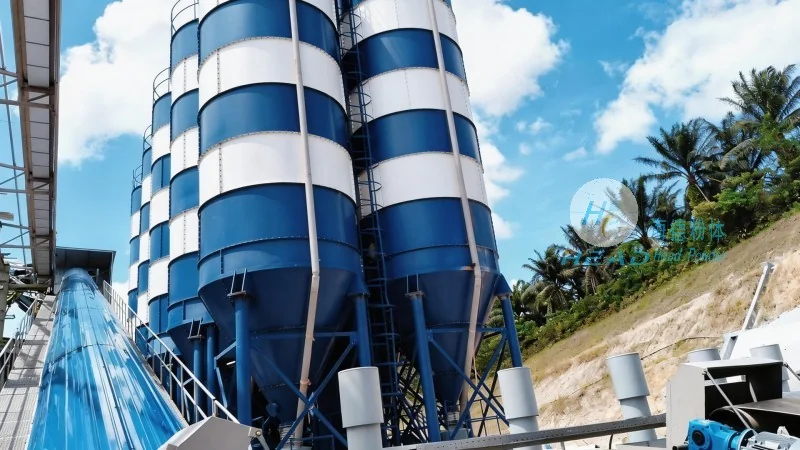
5. Vibrating Conveyors: Gentle Handling for Sensitive Materials
Vibrating conveyors use vibration to move mineral granules along a trough or conveyor bed. These systems consist of a conveyor belt or pan that is supported by a vibrating mechanism, which causes the material to move forward due to the vibration and gravity. Vibrating conveyors are ideal for handling sensitive materials that are prone to breakage or damage, such as fragile minerals, food products, or pharmaceuticals. They are also effective for transporting materials with high moisture content or sticky properties, as the vibration helps to prevent material buildup and ensure smooth flow. The design of vibrating conveyors can be adjusted to control the amplitude and frequency of vibration, which affects the speed and efficiency of material transport. This makes them a versatile option for industries where gentle handling is required, such as in the processing of agricultural products or specialty minerals.
6. Hydraulic Conveyors: Water-Based Transport for Wet or Slurry Materials
Hydraulic conveyors use water or other liquids to transport mineral granules, making them suitable for handling wet or slurry materials. These systems consist of a pipeline or channel that carries the material and water mixture, with pumps and valves to control the flow. Hydraulic conveyors are commonly used in mining operations where ore is mixed with water to form a slurry, which is then transported to processing facilities. They are also effective for transporting materials with high moisture content or fine particles that are difficult to move with dry systems. The design of hydraulic conveyors can be customized to accommodate different slurry concentrations and particle sizes, ensuring efficient transport and minimal wear on the system components. This makes them a practical choice for industries dealing with wet or abrasive materials, such as in the processing of coal or minerals with high water content.




