Aluminum foil material conveying lines are essential systems in various industrial applications, particularly in manufacturing processes that involve the handling and transportation of aluminum foil. These lines are designed to efficiently move aluminum foil from one processing stage to another, ensuring smooth production flow and minimizing material loss. The operation of such lines is critical for maintaining productivity and product quality in industries like packaging, food processing, and metal fabrication. As a leading provider of industrial conveying solutions, Shandong HeadPowder Engineering Co., Ltd. specializes in designing and manufacturing high-quality aluminum foil material conveying lines tailored to meet the specific needs of clients worldwide.
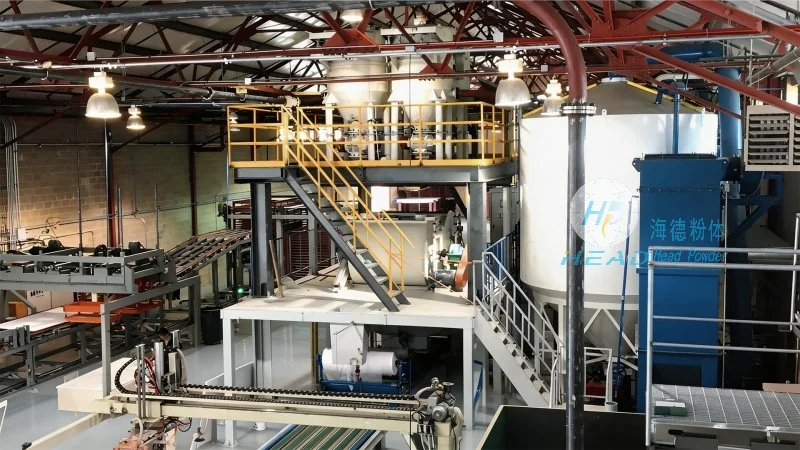
Key Components of the Conveying Line
The aluminum foil material conveying line typically consists of several key components that work in tandem to achieve efficient material handling. These components include feeders, conveyors, tensioning devices, and control systems. Each component plays a vital role in the overall operation of the line. For instance, feeders are responsible for accurately delivering aluminum foil into the conveying system, while conveyors transport the foil along the designated path. Tensioning devices ensure that the foil maintains proper tension throughout the process, preventing issues like wrinkling or tearing. Control systems, often integrated with sensors and automation technology, monitor the entire operation and adjust parameters as needed to maintain optimal performance.
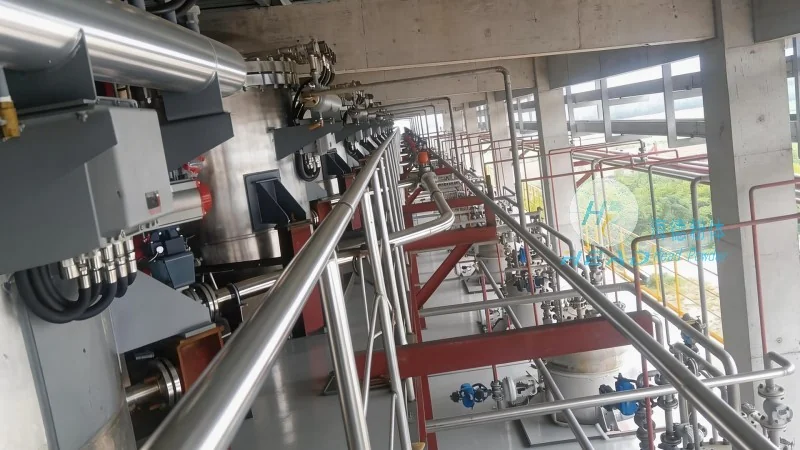
Operation Process of the Conveying Line
The operation of an aluminum foil material conveying line follows a systematic process that begins with the preparation of the aluminum foil and ends with its delivery to the next processing stage. The process typically starts with the uncoiling of the aluminum foil roll, which is then fed into the feeder. The feeder then delivers the foil to the conveyor system, which moves it along the line at a controlled speed. As the foil travels, tensioning devices adjust the tension to maintain consistent thickness and prevent damage. The conveyor may include various sections, such as straight runs, curves, and elevation changes, depending on the layout of the production facility. At the end of the line, the foil is either wound onto a new roll or transferred to another machine for further processing. Throughout the operation, sensors and control systems continuously monitor parameters like speed, tension, and position to ensure the line operates within specified limits.
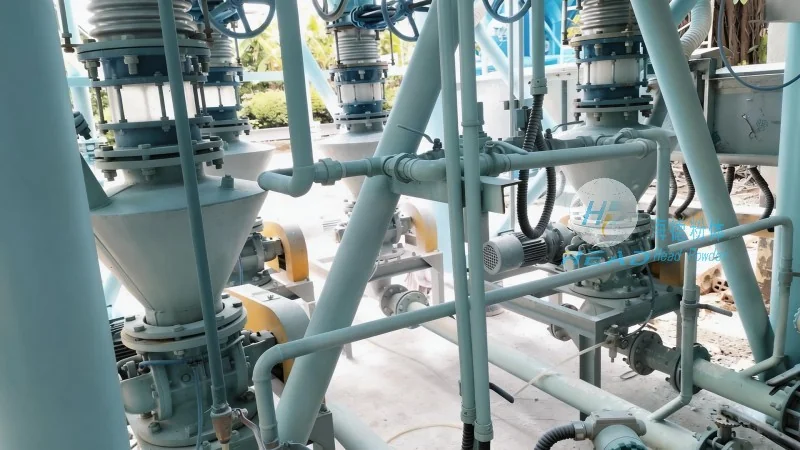
Working Principle of the Conveying Line
The working principle of an aluminum foil material conveying line is based on mechanical and automated systems that work together to move the material efficiently. The core principle involves using rollers or belts to transport the aluminum foil, while tensioning mechanisms maintain the foil's integrity. The line may utilize different types of conveyors, such as chain conveyors, belt conveyors, or roller conveyors, depending on the specific requirements of the application. For aluminum foil, which is thin and flexible, chain or belt conveyors are commonly used to provide smooth and consistent movement. The tensioning system is crucial because aluminum foil can easily stretch or tear if not properly managed. By adjusting the tension based on the foil's thickness and speed, the line ensures that the material remains stable and intact during transportation. Additionally, the control system integrates sensors that detect any deviations in the foil's position or tension, triggering corrective actions to maintain the line's performance. This automated monitoring and adjustment ensure that the conveying line operates reliably and consistently, minimizing downtime and maximizing production efficiency.
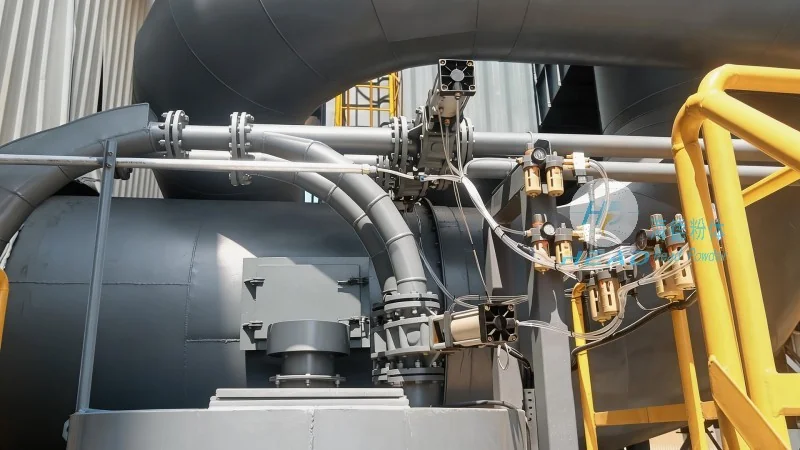
Applications and Benefits of Aluminum Foil Material Conveying Lines
Aluminum foil material conveying lines are widely used in various industries due to their versatility and efficiency. In the packaging industry, these lines are used to transport aluminum foil for food packaging, ensuring that the foil is delivered to the packaging machines without damage. In metal fabrication, they are used to move aluminum foil for further processing, such as cutting or shaping. The benefits of using these lines include improved production efficiency, reduced material loss, and enhanced product quality. By automating the material handling process, the lines minimize the need for manual intervention, reducing the risk of human error and increasing overall productivity. Additionally, the consistent tension and speed control provided by the conveying line help maintain the quality of the aluminum foil, ensuring that it meets the required specifications for the final product. The use of advanced control systems also allows for real-time monitoring and adjustment, enabling operators to quickly address any issues that may arise during operation.




