For industrial applications involving sodium nitrate, efficient and reliable material handling is crucial. This article provides an overview of the operation process and working principle of specialized equipment designed for transporting sodium nitrate, ensuring safe and effective material movement in various industrial settings. The equipment is engineered to meet the specific demands of sodium nitrate handling, which requires careful consideration of material properties and operational safety.
About HeadPowder Engineering
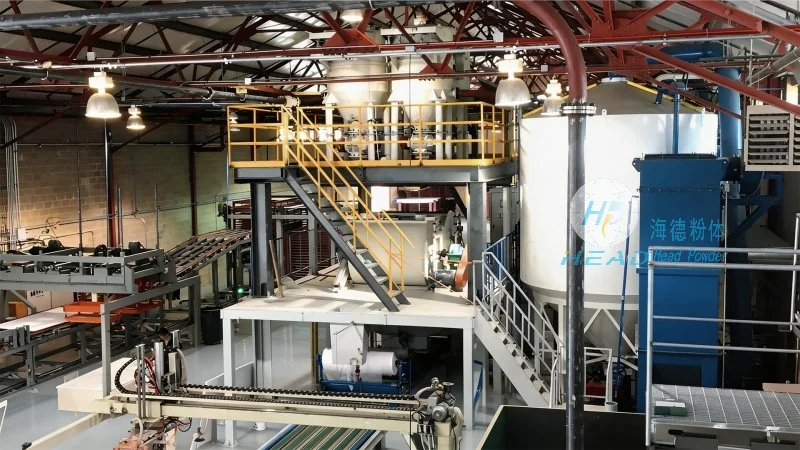
HeadPowder, the professional brand under Shandong HeadPowder Engineering Co., Ltd., specializes in the design, manufacturing, and supply of advanced material handling solutions. With a focus on precision and reliability, HeadPowder provides tailored equipment for diverse industrial needs, including those related to sodium nitrate processing. The company is headquartered in Shandong, China, and has established a reputation for delivering high-quality, durable equipment that meets international standards and customer requirements.
Operation Process of Sodium Nitrate Material Handling Equipment
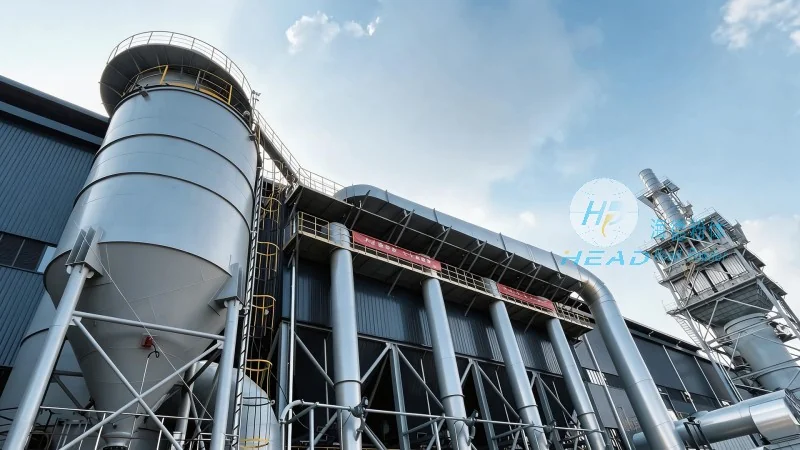
The operation process of sodium nitrate material handling equipment typically involves several key steps to ensure smooth and efficient material transport. The process begins with the loading of sodium nitrate into the equipment, which may be done using bulk loading methods or through direct feeding from processing lines. Once loaded, the material is transferred through the equipment's internal mechanisms, such as conveyor belts, screw conveyors, or pneumatic systems, depending on the specific design and application requirements. The equipment is designed to handle the granular or crystalline nature of sodium nitrate, ensuring minimal material degradation and maintaining product integrity throughout the transport process.
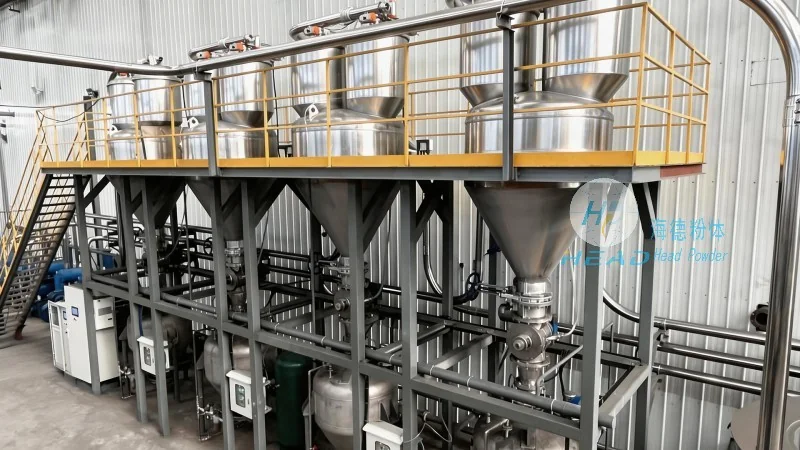
During operation, the equipment's control system monitors critical parameters like temperature, pressure, and flow rate to maintain optimal performance. This real-time monitoring helps prevent issues such as clogging or overloading, which are common in sodium nitrate handling due to its tendency to clump or adhere to surfaces. The control system may also include safety features, such as emergency stop buttons and overload protection, to ensure operator safety and equipment longevity. Additionally, the equipment is equipped with cleaning mechanisms to prevent sodium nitrate buildup, which can affect performance and hygiene in industrial environments.
Working Principle of Sodium Nitrate Material Handling Equipment
The working principle of sodium nitrate material handling equipment is based on mechanical or pneumatic systems that facilitate the movement of the material from the source to the destination. For mechanical systems, such as belt conveyors or screw conveyors, the equipment uses rotating components to move the material along a designated path. The belt conveyor, for example, consists of a continuous belt that transports the sodium nitrate through a series of rollers and idlers, maintaining a consistent speed and direction. The screw conveyor operates by rotating a helical screw within a tube, pushing the material forward as it turns. These mechanical systems are energy-efficient and suitable for long-distance transport, making them ideal for large-scale sodium nitrate handling operations.
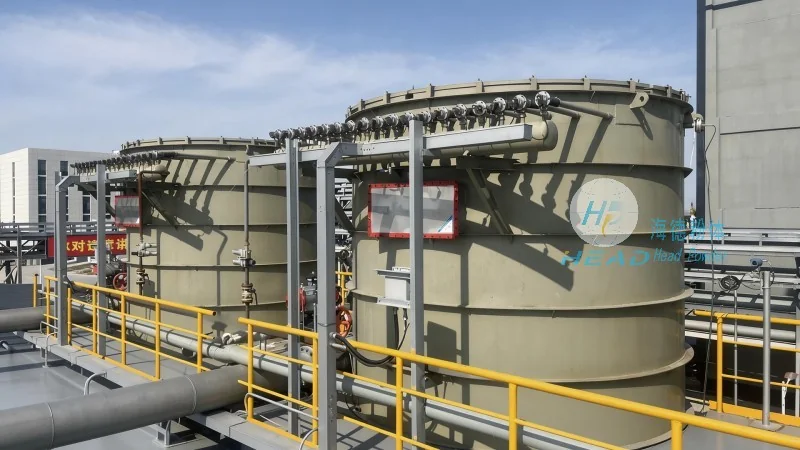
Pneumatic systems, on the other hand, use compressed air to transport sodium nitrate through a network of pipes and ducts. The material is carried in the air stream, which allows for flexible and enclosed transport, reducing the risk of dust exposure and contamination. Pneumatic systems are particularly effective for handling fine or powdery sodium nitrate, as they can maintain the material's consistency and prevent segregation. The working principle of pneumatic systems involves generating a high-pressure air flow that propels the material through the system, with control valves and filters ensuring consistent performance and material quality.




