Understanding inorganic salt pneumatic conveying is essential for industries that handle bulk powder materials. This article provides a detailed explanation of the working principles behind such powder handling systems, focusing on the technology used to transport inorganic salts efficiently and safely.
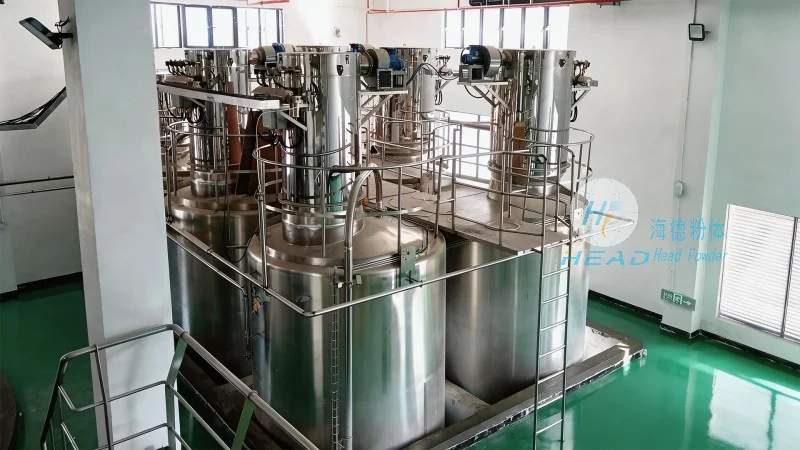
Introduction to Inorganic Salt Pneumatic Conveying
Inorganic salts, such as sodium chloride, potassium chloride, or various industrial salts, are often transported in bulk quantities across manufacturing facilities or between different processing stages. Traditional methods like belt conveyors or bucket elevators may not be suitable for all applications, especially when dealing with fine powders or materials that are prone to dust generation or caking. Pneumatic conveying offers a solution by using air to move these materials through a closed system, ensuring minimal contamination and efficient transport.
Working Principle of Powder Handling Systems
The core of a pneumatic conveying system involves the use of compressed air to create a flow that transports the powder. There are two main types of pneumatic conveying systems: positive pressure and negative pressure. Positive pressure systems use a blower to force air and material through the pipeline, while negative pressure systems use a vacuum to draw material into the system. For inorganic salts, positive pressure systems are often preferred due to their ability to handle abrasive materials and prevent material buildup in the pipeline.
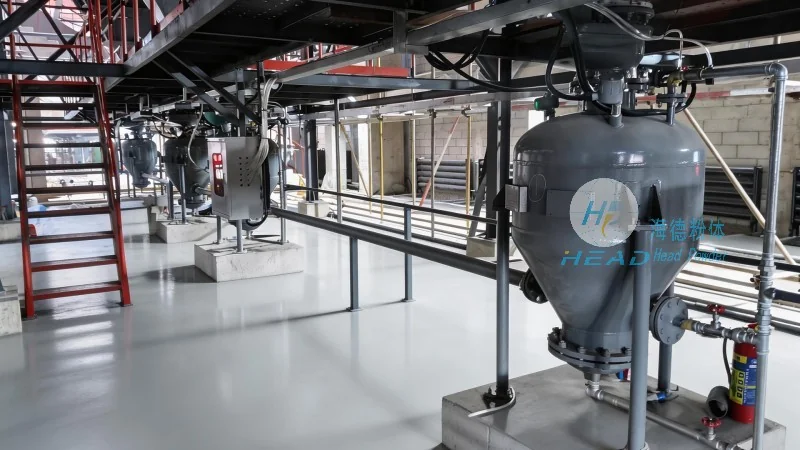
The typical components of a pneumatic conveying system include a feeder, which introduces the material into the system, a conveying line (usually made of stainless steel or other corrosion-resistant materials to handle the chemical properties of inorganic salts), a separation unit (like a cyclone or filter) to separate the material from the air, and a receiver where the material is collected. The system operates by creating a pressure differential that propels the material forward. For example, in a positive pressure system, the blower generates high-pressure air that mixes with the material in the feeder, forming a slurry that travels through the pipeline to the destination point.
Key Considerations for Inorganic Salt Transport
When designing a pneumatic conveying system for inorganic salts, several factors must be considered to ensure optimal performance. The particle size and density of the salt are critical, as they affect the air velocity required for effective transport. Coarser particles may require higher air speeds, while fine powders need lower speeds to prevent segregation or clogging. Additionally, the moisture content of the salt can impact its flowability and the risk of caking, which may necessitate pre-drying or conditioning steps before transport.
HeadPowder Engineering, a leading provider of powder handling solutions, specializes in designing and manufacturing customized pneumatic conveying systems tailored to the specific needs of inorganic salt applications. With over years of experience in the industry, HeadPowder has developed advanced technologies to handle a wide range of inorganic salts, ensuring reliable and efficient transport. The company's expertise includes selecting the appropriate conveying type (positive or negative pressure), determining the optimal air pressure and flow rates, and integrating necessary components like feeders, filters, and receivers to create a seamless material transport process.
Benefits of Using Pneumatic Conveying for Inorganic Salts
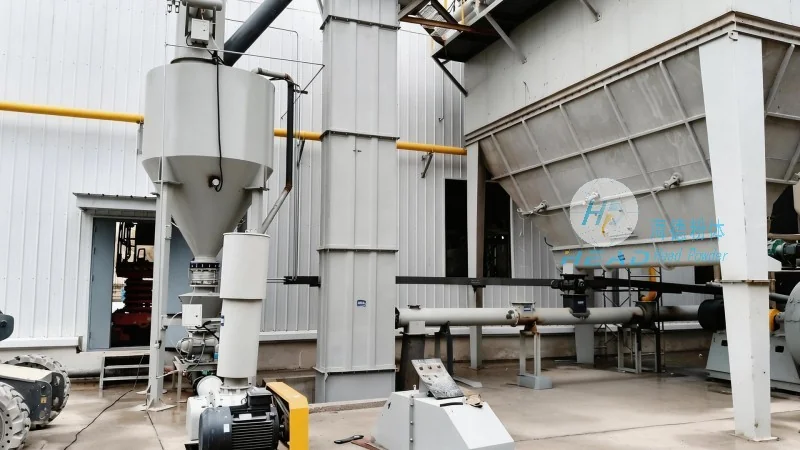
Implementing a pneumatic conveying system for inorganic salts offers several advantages over traditional methods. Firstly, it provides a closed system that minimizes dust emissions and environmental contamination, which is crucial for compliance with industrial regulations. Secondly, it enhances safety by reducing the risk of material exposure to workers and preventing dust explosions. Thirdly, the system allows for precise control over the material flow rate and destination, improving process efficiency and reducing material loss. Finally, pneumatic conveying can be integrated with other processing equipment, such as mixers or reactors, to create a fully automated material handling workflow.
Conclusion
Inorganic salt pneumatic conveying is a sophisticated and efficient method for transporting bulk powder materials. By understanding the working principles of powder handling systems and considering the specific characteristics of inorganic salts, industries can select the most appropriate pneumatic conveying solution. HeadPowder Engineering, based in Shandong, China, offers comprehensive solutions for inorganic salt transport, leveraging years of expertise to deliver reliable and effective systems that meet the demands of modern manufacturing processes.




