Understanding the operation process and working principle of fly ash material conveying systems is crucial for optimizing industrial processes in power generation and waste management sectors. Fly ash, a byproduct of coal combustion, requires efficient and reliable transportation to facilitate its utilization or disposal. This article provides a detailed overview of the technical aspects, operational steps, and key components involved in fly ash material conveying, presented by Shandong HeadPowder Engineering Co., Ltd., a leading provider in this field.
Company Profile: Shandong HeadPowder Engineering Co., Ltd.
HeadPowder, the professional brand of Shandong HeadPowder Engineering Co., Ltd., is headquartered in Shandong, China. With years of experience in engineering and manufacturing, the company specializes in developing customized solutions for material handling, particularly in the handling of fly ash and other fine particulate materials. The company's commitment to quality, safety, and environmental compliance ensures that its products meet the stringent requirements of modern industrial applications.
Working Principle of Fly Ash Material Conveying Systems
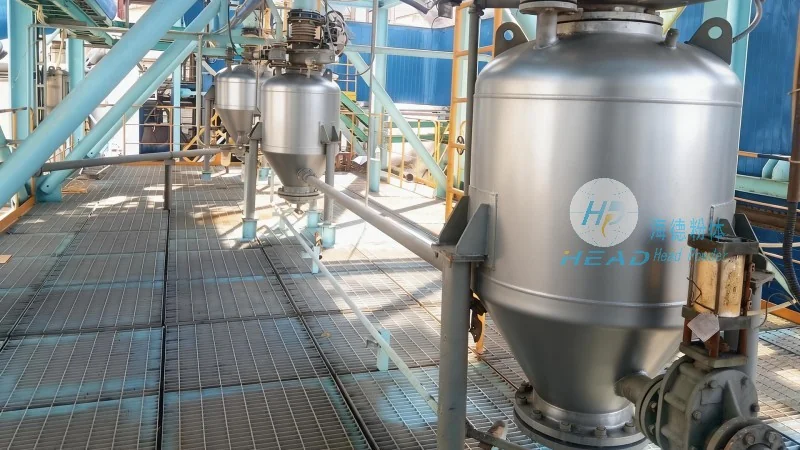
Fly ash material conveying systems typically operate based on either pneumatic (air-assisted) or mechanical (conveyor belt, screw, or bucket) methods. The choice of system depends on factors such as the ash's characteristics, required conveying distance, and environmental regulations. Pneumatic systems, often preferred for fine and dusty materials like fly ash, utilize compressed air to transport particles through a network of pipes. The working principle involves generating a pressure differential that propels the ash particles along the pipeline. Key components include a blower or fan to supply the air, a hopper for material feeding, and a cyclone separator or filter to collect and return the ash to the system, while the clean air is discharged.
Operation Process of Fly Ash Material Conveying
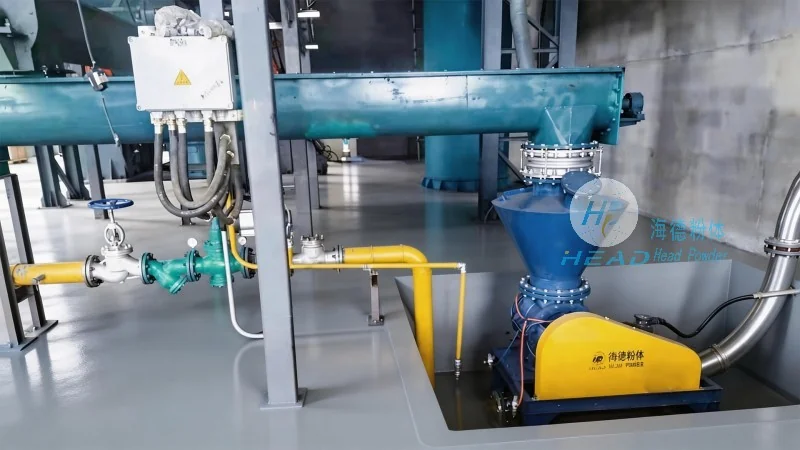
The operation process of a typical fly ash conveying system involves several sequential steps. First, the fly ash is collected from the boiler or storage silo and fed into the system via a hopper. The material is then introduced into the conveying line as the system is activated. The blower creates a flow of air that carries the ash particles through the pipeline. As the ash travels, it may encounter bends, expansions, or other components that help maintain the flow and prevent blockages. At the receiving end, a separator or filter unit is used to separate the ash from the air stream. The separated ash is collected in a discharge bin or transported further for utilization, such as in cement production or road construction. The system is equipped with control mechanisms that monitor pressure, flow rate, and material level, ensuring stable and efficient operation. Safety features, including explosion-proof designs and dust suppression systems, are integrated to comply with industrial safety standards.
Key Technical Features and Advantages
Modern fly ash material conveying systems from HeadPowder are designed with several technical features that enhance performance and reliability. These include high-efficiency blowers that minimize energy consumption while maintaining optimal air flow, robust pipeline systems that resist corrosion and abrasion from fine ash particles, and advanced control systems that provide real-time monitoring and automated adjustments. The systems are also engineered for low maintenance, with easy access to components for inspection and replacement. Environmental considerations are paramount, with systems incorporating dust collection and filtration to minimize emissions and comply with air quality regulations. The modular design allows for scalability, enabling companies to expand their conveying capacity as their operations grow.
Application and Industry Impact
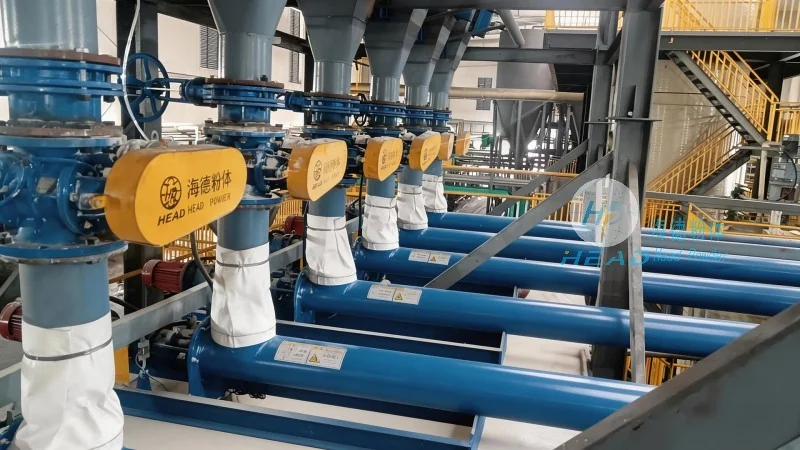
Fly ash material conveying systems are widely used in power plants, cement factories, and construction sites where fly ash is a byproduct. The efficient handling of fly ash not only improves operational efficiency but also contributes to sustainable development by reducing the environmental impact of ash disposal. By utilizing advanced conveying technologies, industries can achieve higher throughput, lower operational costs, and better resource utilization. HeadPowder's solutions are tailored to meet the specific needs of each client, ensuring that the conveying system is optimized for their unique process requirements and operational constraints.
Conclusion
In summary, the operation process and working principle of fly ash material conveying systems involve a combination of engineering expertise and advanced technology. From the initial material feeding to the final discharge, each step is carefully designed to ensure efficient and safe transportation of fly ash. Shandong HeadPowder Engineering Co., Ltd. continues to innovate in this field, providing reliable and sustainable solutions that meet the evolving demands of the industry. By understanding and implementing these systems, companies can enhance their operational performance while contributing to environmental stewardship.




