Understanding the operation process and working principle of sand casting powder conveying lines is crucial for optimizing production efficiency in foundries. These systems are integral to the sand handling and material transport processes, ensuring consistent and reliable delivery of sand casting powders. This article provides a detailed overview of how such lines function, emphasizing the technical aspects and operational dynamics.
Introduction to Sand Casting Powder Conveying Lines
Sand casting powder conveying lines are specialized systems designed to transport sand casting powders from storage silos or bulk containers to the casting machines or molding lines. The primary goal is to maintain a continuous flow of material while ensuring minimal loss, contamination, and energy consumption. These systems are commonly used in foundries that produce metal castings, particularly in the automotive, aerospace, and industrial machinery sectors. The design and configuration of the conveying line are tailored to the specific characteristics of the sand casting powders, such as particle size, moisture content, and bulk density.
Key Components of a Sand Casting Powder Conveying Line
The operation of a sand casting powder conveying line relies on several key components that work in concert to achieve efficient material transport. These components include storage silos or hoppers, feeding mechanisms, conveying equipment (such as screw conveyors, pneumatic conveyors, or bucket elevators), control systems, and discharge units. Each component plays a critical role in the overall functionality of the system.
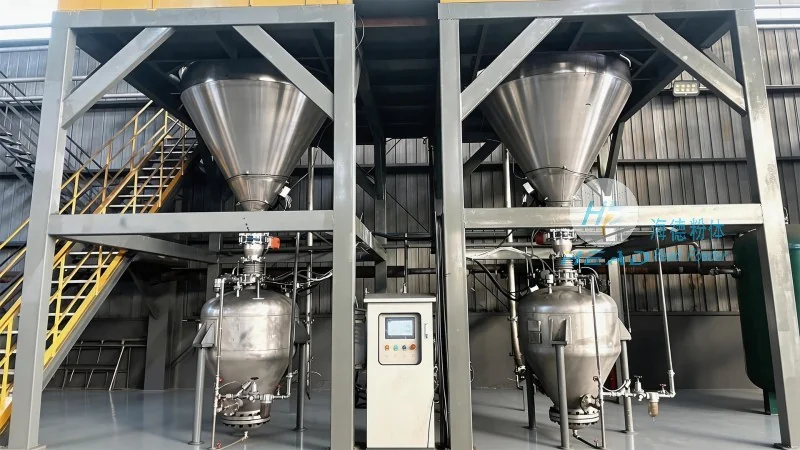
Storage silos or hoppers are used to store the sand casting powders in bulk. These containers are typically made of stainless steel or other corrosion-resistant materials to prevent contamination and ensure durability. The design of the silo includes features like a conical bottom to facilitate the flow of material and prevent bridging or caking. Some systems may also include a pre-drying or conditioning section to adjust the moisture content of the sand before it is conveyed.
Feeding mechanisms, such as rotary valves or gate valves, regulate the flow of material from the storage silo to the conveying equipment. These devices ensure a controlled and consistent feed rate, preventing overloading or underloading of the conveyor. The choice of feeding mechanism depends on the characteristics of the sand casting powder and the required flow rate.
Conveying equipment is the core of the sand casting powder conveying line. There are several types of conveyors used, including screw conveyors, pneumatic conveyors, and bucket elevators. Screw conveyors are commonly used for horizontal or slight incline transport due to their simplicity and reliability. They consist of a rotating screw within a trough, which pushes the material forward. Pneumatic conveyors use air pressure to transport the sand casting powders through a pipeline system. This method is suitable for fine powders and can achieve high transport speeds. Bucket elevators are used for vertical or steep incline transport, lifting the material from a lower to a higher level.
Control systems are essential for monitoring and managing the operation of the sand casting powder conveying line. These systems include sensors, controllers, and automation software that track parameters such as flow rate, pressure, temperature, and level. The control system ensures that the conveying process is optimized, and any deviations are detected and corrected promptly. This helps in maintaining the quality of the sand casting powders and preventing equipment damage.
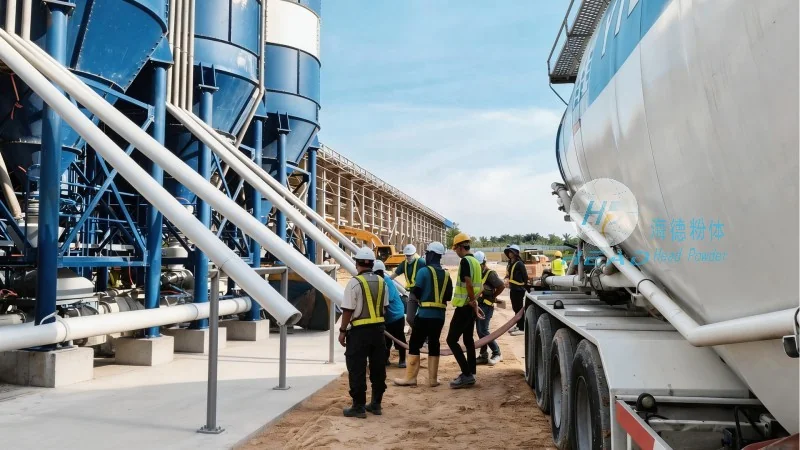
Discharge units are used to deliver the sand casting powders from the conveying equipment to the casting machines or molding lines. These units may include hoppers, chutes, or feeders that distribute the material evenly. The design of the discharge unit is critical to prevent material buildup or blockages, ensuring a smooth and continuous flow to the next stage of the production process.
The Working Principle of Sand Casting Powder Conveying Lines
The working principle of a sand casting powder conveying line involves the sequential operation of its components to transport the sand casting powders from the storage to the point of use. The process typically starts with the material being discharged from the storage silo into the feeding mechanism. The feeding mechanism then regulates the flow of material into the conveying equipment.
For screw conveyors, the rotating screw pushes the material forward through the trough. The speed of the screw determines the flow rate, and the length of the conveyor determines the distance the material is transported. The material is moved in a continuous manner, with no interruptions, ensuring a steady supply to the casting machines.
For pneumatic conveyors, the material is suspended in a stream of air and transported through the pipeline. The air pressure and velocity are controlled to maintain the material in suspension and prevent it from settling or clogging the pipes. The conveying speed is determined by the air flow rate and the characteristics of the sand casting powder.
For bucket elevators, the buckets attached to a chain or belt lift the material from the lower level to the upper level. The buckets are filled at the lower end and emptied at the upper end, transporting the material vertically. The speed of the elevator and the bucket size determine the capacity and efficiency of the system.
Once the material reaches the discharge unit, it is delivered to the casting machines or molding lines. The control system continuously monitors the flow rate and pressure to ensure that the material is delivered at the required rate. Any adjustments are made automatically to maintain the optimal operating conditions.
Operation Process of Sand Casting Powder Conveying Lines
The operation process of a sand casting powder conveying line involves several steps that are executed in a sequential manner. The process starts with the preparation of the sand casting powders, which may include drying or conditioning to adjust the moisture content. The material is then stored in the silo or hopper.
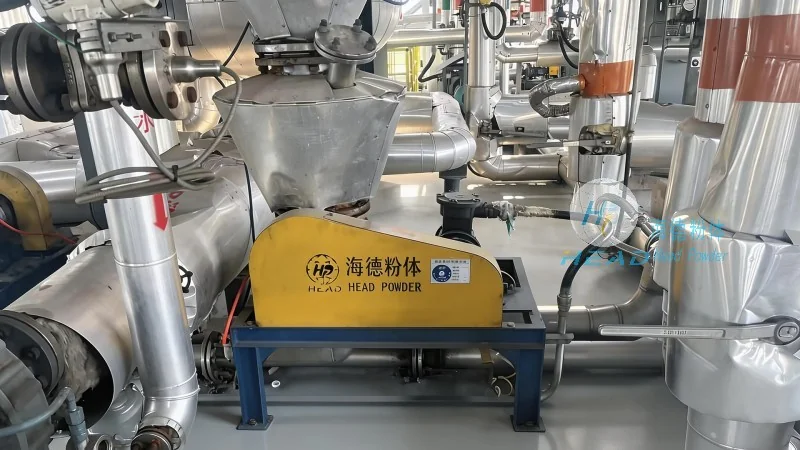
During operation, the control system initiates the feeding mechanism, which regulates the flow of material into the conveying equipment. The conveying equipment then transports the material to the discharge unit. The discharge unit delivers the material to the casting machines or molding lines. The entire process is monitored by the control system, which adjusts the parameters as needed to maintain the desired flow rate and quality.
The operation of the sand casting powder conveying line is typically automated, with minimal human intervention required. The control system ensures that the process runs smoothly and efficiently. However, regular maintenance is necessary to ensure the longevity and reliability of the system. This includes cleaning the components, checking for wear and tear, and replacing parts as needed.
Benefits of Using Sand Casting Powder Conveying Lines
Implementing sand casting powder conveying lines in foundries offers several benefits that contribute to improved production efficiency and product quality. These benefits include consistent material flow, reduced labor costs, minimized material loss, and improved safety. The automated nature of the system reduces the need for manual handling, which can be hazardous and inefficient. The consistent flow of material ensures that the casting machines receive a uniform supply of sand casting powders, leading to better casting quality and reduced defects.
Additionally, the use of sand casting powder conveying lines helps in maintaining the quality of the sand casting powders by preventing contamination and moisture absorption. The enclosed system reduces exposure to dust and other contaminants, ensuring that the material remains clean and free from impurities. This is particularly important in industries where high-quality castings are required, such as aerospace and automotive manufacturing.
The energy efficiency of modern sand casting powder conveying lines is also a significant benefit. Advanced designs and control systems minimize energy consumption while maximizing the transport capacity. This reduces operational costs and contributes to a more sustainable production process. The use of materials such as stainless steel and corrosion-resistant coatings also extends the lifespan of the equipment, reducing the need for frequent replacements.
Conclusion
Sand casting powder conveying lines are essential components in modern foundries, playing a critical role in the efficient transport of sand casting powders. The operation process and working principle of these systems involve a combination of storage, feeding, conveying, and control components that work together to ensure consistent and reliable material delivery. The benefits of using such systems include improved production efficiency, enhanced product quality, reduced labor costs, and increased safety. As foundries continue to seek ways to optimize their operations, the importance of sand casting powder conveying lines will only grow. By understanding the technical aspects and operational dynamics of these systems, foundries can make informed decisions to enhance their production capabilities and maintain a competitive edge in the market.




