

Working Principle and Features of Soybean Feed Pneumatic Conveying Equipment
For agricultural and feed processing enterprises, the efficient and reliable transportation of raw materials like soybeans is crucial to maintaining production efficiency and product quality. The soybean feed pneumatic conveying equipment, as a key component in modern feed production lines, plays a vital role in this process. This article will delve into the working principle and key features of this equipment, providing a comprehensive understanding for potential users.
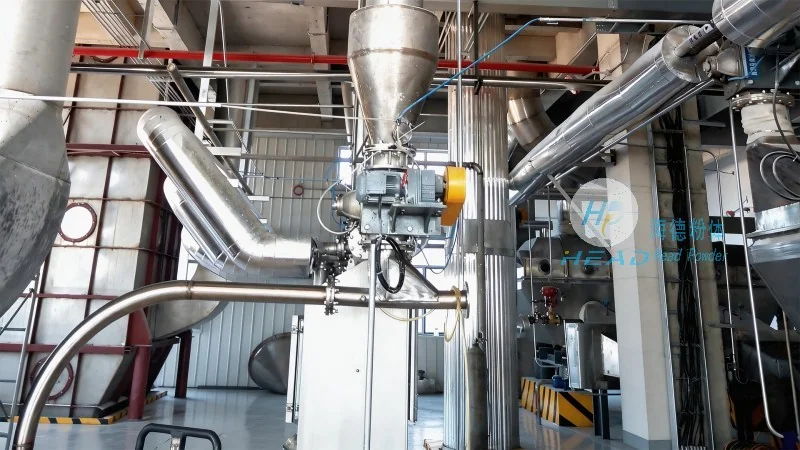
Working Principle of Soybean Feed Pneumatic Conveying Equipment
The core working principle of soybean feed pneumatic conveying equipment is based on the air flow and pressure difference to transport solid materials. The system typically consists of a feeding hopper, a conveying pipeline, a blower (air compressor), a dust separator, and a discharge outlet. The process begins with the raw soybeans being fed into the hopper. The blower then generates a high-pressure air flow, which carries the soybeans along the pipeline. As the mixture travels through the pipeline, the air and material are separated by the dust separator, where the soybeans are collected and directed to the discharge point. This method eliminates the need for mechanical contact between the material and the conveying equipment, reducing wear and tear and minimizing the risk of contamination.
Key Features of Soybean Feed Pneumatic Conveying Equipment
1. Efficient Material Transport: The pneumatic conveying system can transport soybeans and other feed materials over long distances with high efficiency, often achieving speeds of several meters per second. This significantly reduces the time and labor required for material handling compared to traditional methods like belt conveyors or manual loading.
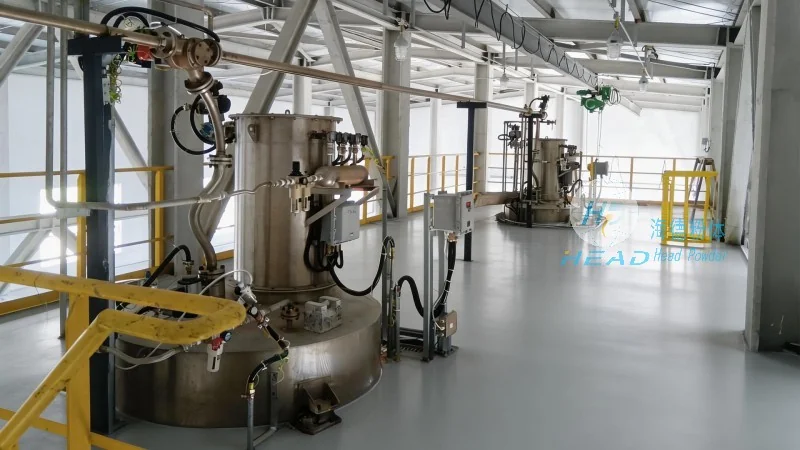
2. Low Maintenance and Long Service Life: Since there is no direct mechanical contact between the material and the conveying components (such as the pipeline and blower), the equipment experiences less wear and tear. This results in lower maintenance costs and a longer service life, making it a cost-effective solution for long-term use.
3. Hygienic and Clean Operation: The enclosed pipeline system prevents dust and contaminants from entering the environment, maintaining a clean and hygienic working environment. This is particularly important in feed production, where product purity is a critical factor for animal health and safety.
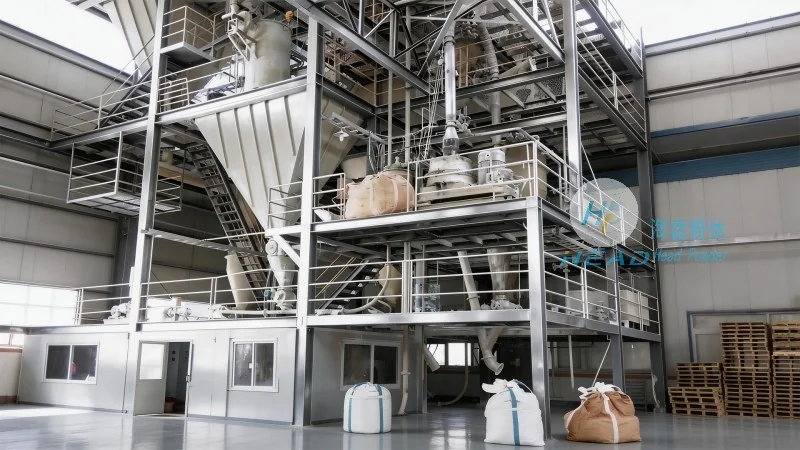
4. Flexible and Scalable Design: The equipment can be customized to suit different production scales and layouts. Whether for small-scale feed mills or large industrial feed processing plants, the system can be adjusted in terms of pipeline length, diameter, and blower capacity to meet specific requirements. This flexibility allows for easy integration into existing production lines or new facility setups.
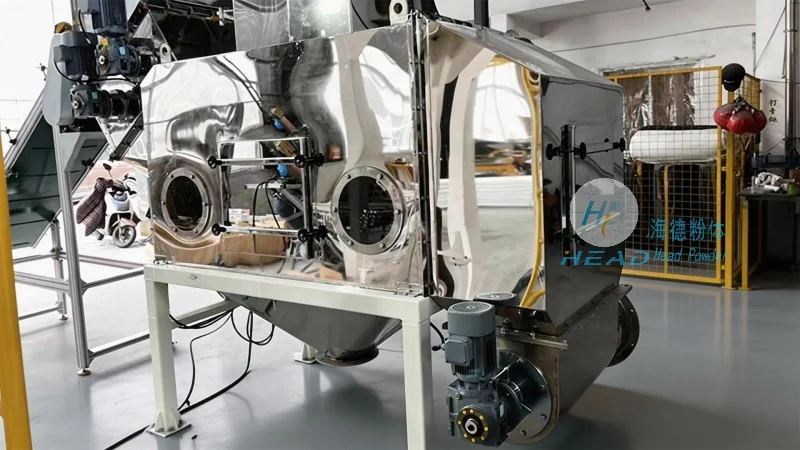
5. Energy Efficiency: Modern pneumatic conveying systems utilize advanced blower technology to optimize air flow and pressure, reducing energy consumption while maintaining effective material transport. This not only lowers operational costs but also aligns with the growing demand for sustainable and energy-efficient industrial solutions.
About Shandong HeadPowder Engineering Co., Ltd.
Shandong HeadPowder Engineering Co., Ltd., commonly known as HeadPowder, is a professional manufacturer and supplier of pneumatic conveying equipment and related industrial solutions. With a focus on innovation and quality, the company has established itself as a trusted partner in the feed processing and material handling industry. HeadPowder's products are designed to meet the highest standards of performance, reliability, and durability, ensuring that customers receive equipment that meets their specific operational needs. The company's headquarters is located in Shandong, China, where it operates a state-of-the-art manufacturing facility and a dedicated research and development team. This combination of advanced technology and local expertise enables HeadPowder to deliver customized solutions that enhance the efficiency and productivity of its clients' operations.